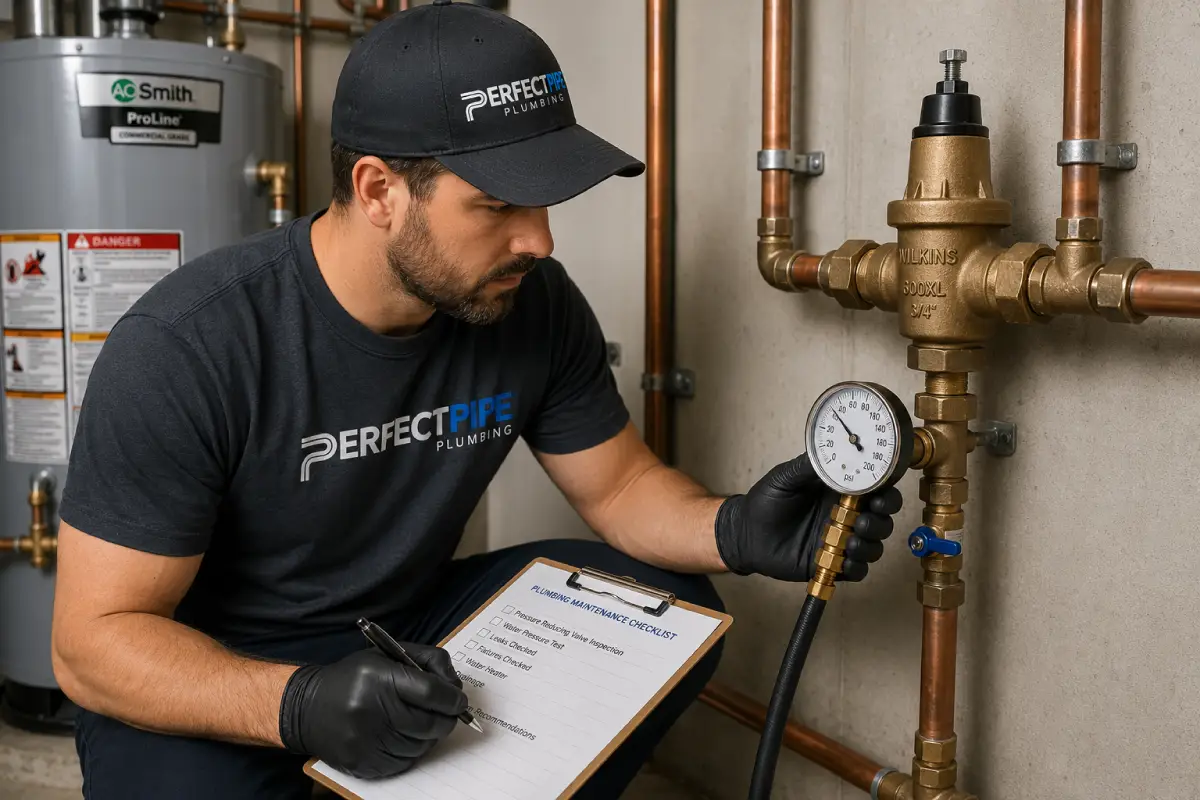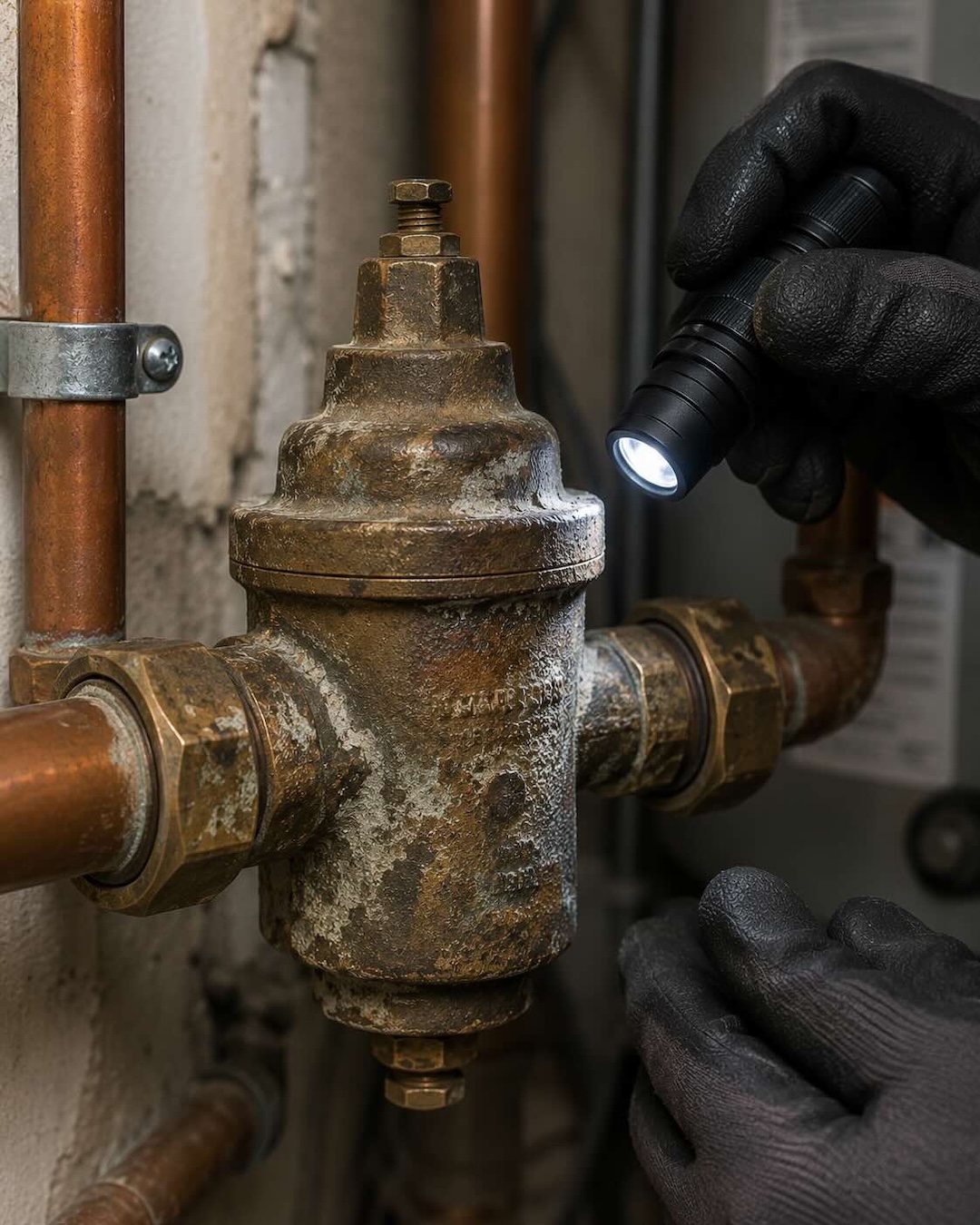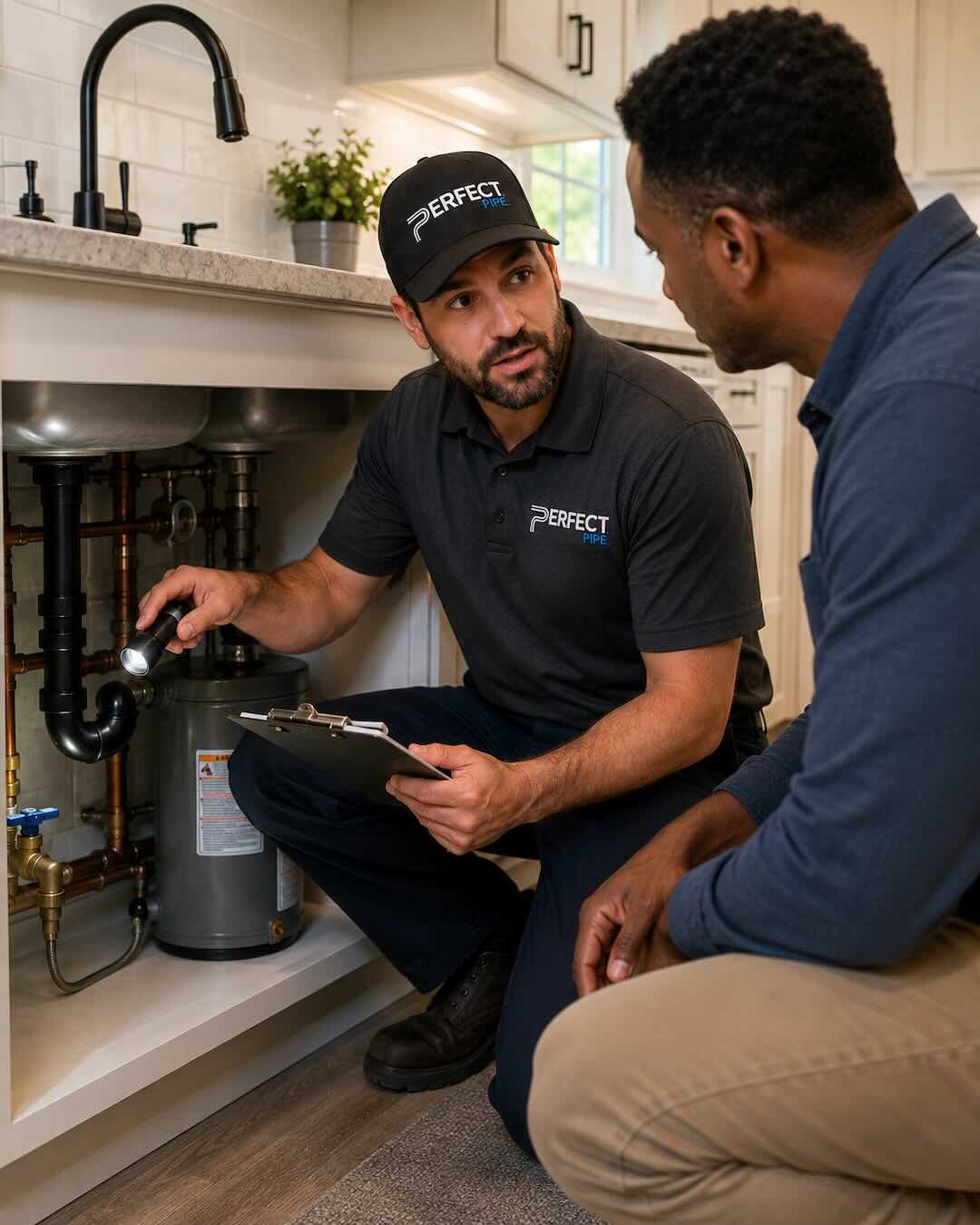
A professional plumbing inspection helps identify small problems before they turn into expensive repairs. Whether you’re maintaining your home, purchasing a property, or investigating recurring plumbing issues, a thorough inspection gives you a clear picture of your plumbing system’s overall condition.
Many homeowners aren’t sure what a plumber actually checks during an inspection. This guide explains what to expect, what areas are evaluated, and why routine plumbing inspections can help extend the life of your plumbing system while reducing the risk of unexpected breakdowns.
What Is a Plumbing Inspection?
A plumbing inspection is a comprehensive evaluation of your home’s plumbing system performed by a licensed plumber. The goal is to identify leaks, worn components, safety concerns, and other issues that may eventually require repair or replacement.
Rather than focusing on a single plumbing fixture, a complete inspection looks at how your entire plumbing system is functioning. This allows potential problems to be identified before they cause water damage, higher utility bills, or emergency plumbing calls.
Routine inspections are one of the most effective ways to maintain a healthy plumbing system and avoid unexpected repairs.
When Should You Schedule a Plumbing Inspection?
While every home is different, there are several situations where scheduling a plumbing inspection is a smart investment. Even if everything appears to be working normally, hidden problems can often develop without obvious warning signs.
- As part of routine home maintenance.
- Before purchasing a home.
- Before selling your home.
- After experiencing repeated plumbing problems.
- Following a major plumbing repair.
- If your home has older plumbing.
- When your water bill suddenly increases.
Regular inspections help homeowners stay ahead of plumbing issues instead of reacting after damage has already occurred.
What Does a Plumber Check During an Inspection?
Every plumbing inspection is slightly different depending on the home and any concerns the homeowner may have. However, most comprehensive inspections evaluate the same major components throughout the plumbing system.
| Inspection Area | What Is Checked |
|---|---|
| Water heater | Leaks, corrosion, safety valves, and overall condition. |
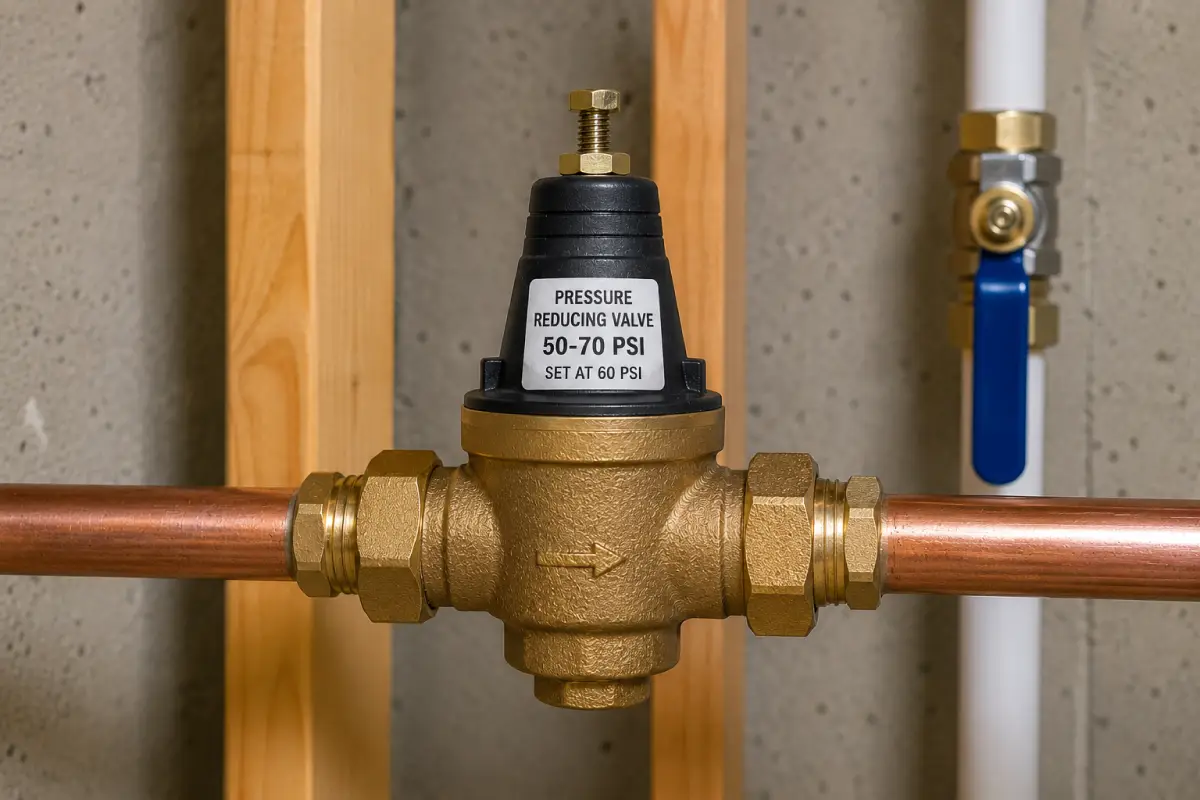
| Water pressure | Pressure levels and pressure reducing valve operation. |
| Pipes | Leaks, corrosion, aging materials, and visible damage. |
| Faucets and fixtures | Drips, leaks, and proper operation. |
| Toilets | Leaks, flushing performance, and secure installation. |
| Drains | Drainage performance and signs of developing clogs. |
| Shutoff valves | Accessibility and proper operation. |
| Visible plumbing connections | Loose fittings, moisture, or early signs of failure. |
If any concerns are discovered, the plumber will explain the findings and recommend appropriate repairs or maintenance.
Will the Inspection Find Hidden Plumbing Problems?
A visual plumbing inspection can identify many developing issues before they become serious, but not every plumbing problem is visible. If the plumber notices signs that suggest a hidden leak, sewer issue, or underground problem, additional diagnostic testing may be recommended.
Depending on the situation, this could include leak detection equipment, drain camera inspections, or water pressure testing to further evaluate the plumbing system.
How Long Does a Plumbing Inspection Take?
Most residential plumbing inspections take between 60 and 90 minutes, although larger homes or properties with multiple plumbing concerns may require additional time.
The inspection shouldn’t feel rushed. A thorough evaluation allows the plumber to carefully examine each major component, answer your questions, and explain any recommended repairs or maintenance before leaving your home.
What Happens If the Plumber Finds a Problem?
Finding an issue during a plumbing inspection doesn’t necessarily mean you’re facing an emergency repair. In many cases, inspections uncover minor problems that can be corrected before they become larger, more expensive issues.
Your plumber should explain what was found, why it matters, and whether the repair should be addressed immediately or simply monitored over time.
This allows homeowners to make informed decisions instead of being surprised by unexpected plumbing failures later.
How Should You Prepare for a Plumbing Inspection?
There’s very little preparation required before a plumbing inspection, but making key areas accessible allows the plumber to complete the inspection more efficiently.
- Clear access to the water heater.
- Move stored items away from sinks if possible.
- Ensure shutoff valves are accessible.
- Unlock utility rooms or crawl space entrances if needed.
- Make a list of plumbing concerns or recurring issues.
- Have information about previous plumbing repairs available if possible.
Sharing any concerns you’ve noticed, even if they seem minor, helps the plumber focus on areas that may require closer attention.
Why Are Routine Plumbing Inspections Worth It?
Many plumbing problems develop gradually, making them difficult for homeowners to notice until damage has already occurred. Routine inspections provide an opportunity to identify worn components, small leaks, aging plumbing materials, and pressure-related issues before they become major repairs.
Preventive maintenance also helps homeowners better understand the condition of their plumbing system, making it easier to budget for future repairs and replacements.
| Routine Inspection | Waiting for a Problem |
|---|---|
| Small issues found early. | Repairs often become more expensive. |
| Reduced risk of water damage. | Greater chance of emergency plumbing calls. |
| Improved plumbing efficiency. | Higher water waste from unnoticed leaks. |
| Longer equipment lifespan. | Premature fixture and appliance failures. |
| Better long-term maintenance planning. | Unexpected repair costs. |
For many homeowners, routine plumbing inspections are one of the simplest ways to protect both their plumbing system and their home.
Frequently Asked Questions About Plumbing Inspections
How often should a home have a plumbing inspection?
Most homeowners benefit from having a professional plumbing inspection every one to two years. Older homes or properties with recurring plumbing problems may benefit from more frequent inspections.
Do plumbing inspections include leak detection?
A standard plumbing inspection includes a visual evaluation of the plumbing system. If signs of a hidden leak are discovered, additional leak detection services may be recommended to pinpoint the source.
Will a plumbing inspection find high water pressure?
Yes. A comprehensive plumbing inspection often includes testing your home’s water pressure to determine whether it’s within the recommended operating range and whether the pressure reducing valve is functioning properly.
Should I schedule an inspection if nothing seems wrong?
Absolutely. Many plumbing problems begin long before obvious symptoms appear. Routine inspections help identify developing issues early, often reducing repair costs and preventing unexpected plumbing emergencies.
Final Thoughts
A professional plumbing inspection provides valuable insight into the health of your home’s plumbing system. By identifying developing problems early, inspections help homeowners avoid costly repairs, extend the lifespan of plumbing fixtures and appliances, and reduce the risk of unexpected plumbing emergencies.
Whether you’re maintaining your home, purchasing a property, or simply want peace of mind, scheduling a routine plumbing inspection is a proactive step toward protecting your investment.
At Perfect Pipe Plumbing, we provide thorough professional plumbing inspections to help homeowners identify potential problems early and keep their plumbing systems operating safely and efficiently.