A quick checklist to help prevent plumbing surprises while you’re away.
Whether you are leaving for a long weekend or an extended trip, it is worth taking a few minutes to check your plumbing before you head out. Small problems can turn into expensive repairs when no one is home to catch them early. A slow drip under the sink, a washing machine hose that is close to failing, or a toilet that runs nonstop can all cause bigger issues if they go unnoticed for days.
The good news is that you do not need a complicated routine to protect your home. A few smart checks before you leave can reduce the risk of water damage, wasted water, and unnecessary stress while you are away.
1. Check for any active leaks
Before leaving, walk through your home and look for signs of leaks in the places where plumbing problems tend to hide. Check under kitchen and bathroom sinks, around toilets, near your water heater, behind appliances, and around any exposed pipes.
Look for warning signs:
- Dripping water
- Damp cabinet floors
- Water stains
- Warped baseboards or flooring
- Musty odors
Even a small leak can become a much bigger problem if it continues for several days while your home is empty.
2. Inspect toilets and faucets
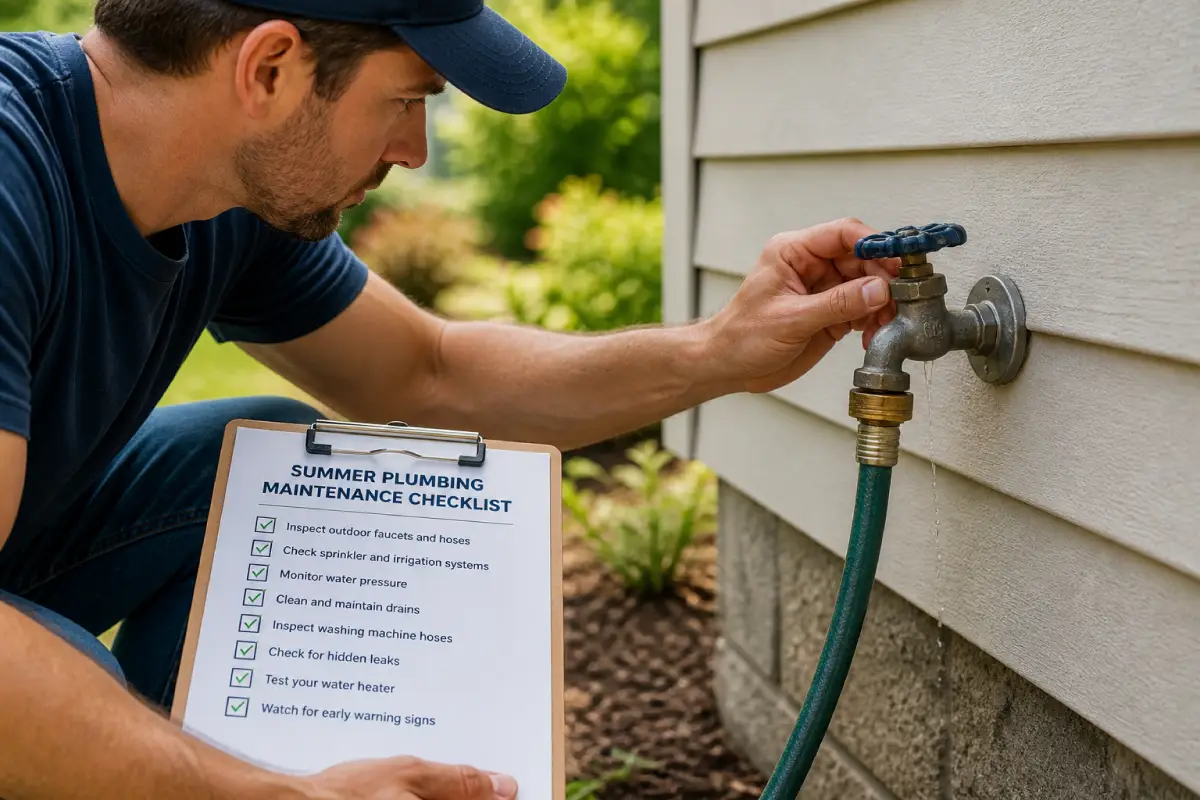
Toilets and faucets are easy to overlook because they are used every day. Before you leave, make sure faucets are fully off and not dripping. Check around the base of each toilet for moisture, and listen for toilets that keep running after flushing.
A running toilet can waste a surprising amount of water, and a slow leak around the base can damage flooring over time. If something seems off, it is better to address it before your trip instead of hoping it holds up while you are gone.
3. Take a look at appliance hoses and connections
Washing machines, dishwashers, and refrigerators with water lines are common sources of leaks. Check visible hoses and fittings for cracks, bulges, corrosion, or signs of dripping. If a connection looks worn or loose, it should be repaired or replaced before you leave.
If you will be gone for more than a few days, many homeowners choose to turn off the water supply to the washing machine as an added precaution.
4. Clear slow drains before you go
A slow drain may not seem urgent when you are packing for vacation, but it can be a sign of buildup or a developing clog. Check sinks, tubs, and showers to make sure water is draining normally.
If a drain is already backing up, gurgling, or draining slowly, it is smart to deal with it before your trip. Leaving an existing issue alone can increase the chance that it becomes a bigger problem later.
5. Consider turning off the main water supply
One of the best ways to reduce the risk of major water damage while you are away is to turn off your home’s main water supply. This is especially helpful if you are leaving for an extended trip.
Turning off the water can help prevent a burst pipe, failed supply line, or hidden leak from causing serious damage while no one is home. If you choose to do this, make sure everyone in the household knows where the shutoff valve is located and how to use it properly.
If you are only leaving for a short trip, you may decide not to shut off the entire house, but it is still worth thinking about based on the age of your plumbing and any known issues.
6. Set your water heater appropriately
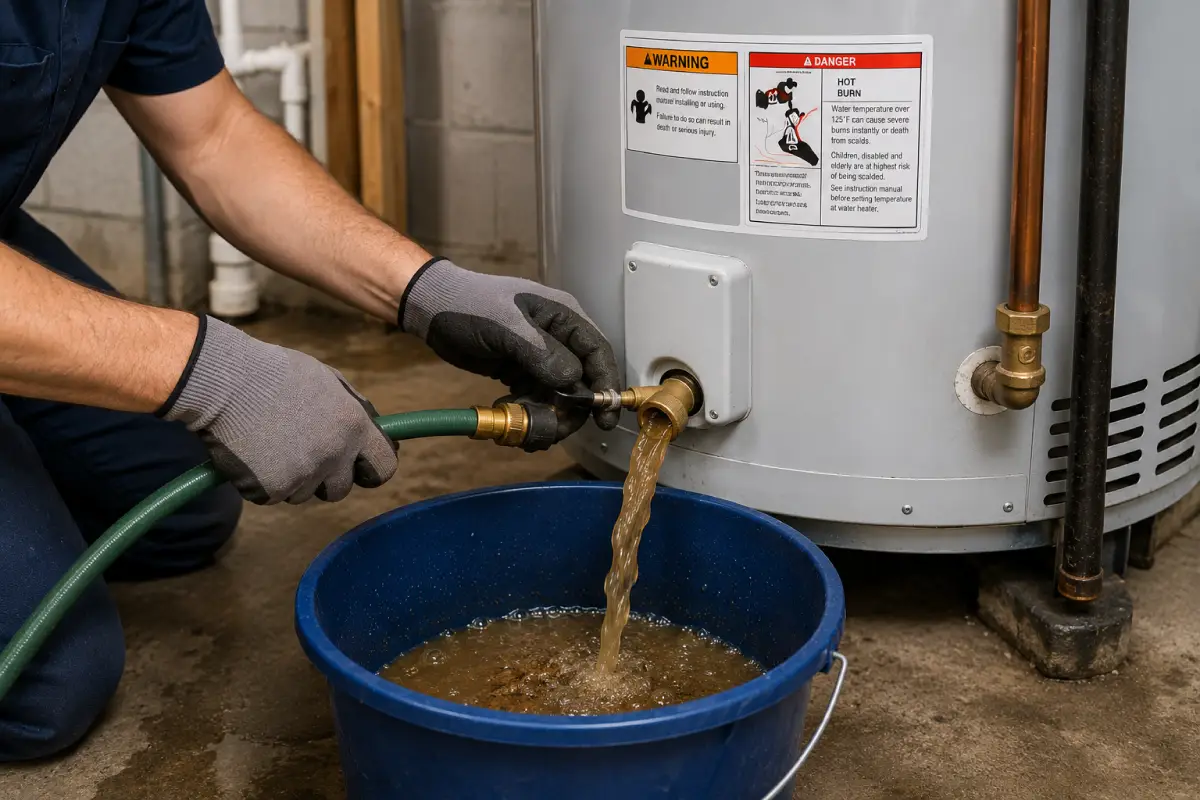
If your water heater has a vacation setting, this can be a smart option while you are away. It may help reduce energy use without fully shutting the system down. If your unit does not have a vacation setting, follow the manufacturer guidance for adjusting it safely before leaving.
This is also a good time to check around the water heater for any signs of leaking, rust, or pooling water. If you notice anything unusual, it is better to have it checked before your trip.
7. Test your sump pump (if you have one)
If your home has a sump pump, especially in a basement or crawl space, make sure it is working properly before you leave. A failed sump pump during heavy rain can lead to serious water intrusion.
Make sure the area around it is clear, confirm it has power, and check for any signs that it has not been operating correctly. If your sump pump has been unreliable, do not leave that to chance while you are away.
8. Avoid leaving food or grease in the sink area
Before heading out, clean out the kitchen sink and avoid leaving anything in the disposal or drain that could create odors or buildup. Grease, food scraps, and debris left behind can harden or start to smell while you are gone.
A clean sink and drain area helps reduce the chance of unpleasant odors and minor drain issues when you return.
9. Ask someone to check in if you’ll be away for a while
If you are taking a longer trip, it can help to have a trusted friend, family member, or neighbor stop by occasionally. If there is a plumbing issue, catching it early can make a major difference.
Even a quick walk-through can help spot obvious problems like a leak, water stain, unusual sound, or loss of hot water before the damage gets worse.
10. Know who to call if something goes wrong
Before leaving, keep the contact information for a trusted local plumber in an easy-to-find place. If a problem comes up while you are away, it helps to already know who to call instead of scrambling from another city or state.
Having a plan in place can save time, reduce stress, and help you respond faster if someone checking on your home notices an issue.
Quick Pre-Vacation Plumbing Checklist
- Check under sinks and around toilets for leaks
- Make sure faucets are fully off
- Inspect appliance hoses and water lines
- Address any slow drains or backups
- Consider turning off the main water supply
- Set your water heater to vacation mode if available
- Test your sump pump
- Clean kitchen drains and disposal areas
- Have someone check in if you will be away for an extended time
- Keep a plumber’s contact information handy
Final Thoughts
A vacation should be relaxing, and a few simple plumbing checks can help keep it that way. Taking time to look for leaks, inspect key fixtures, and shut off water where it makes sense can go a long way toward preventing problems while you are away.
If you notice a leak, a slow drain, or anything else that does not seem right before your trip, it is worth getting it checked out before you leave. A small repair now can help you avoid a much bigger headache later.