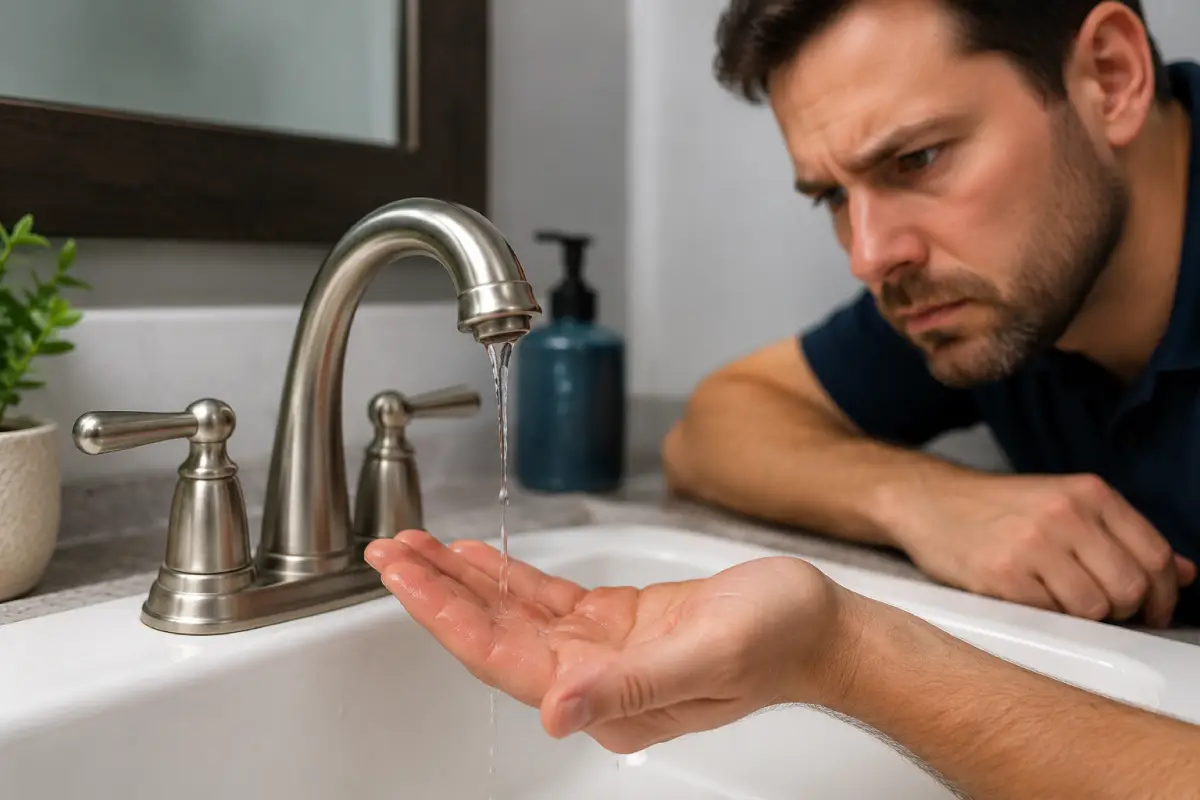
Hot water that does not last usually means your system is struggling to keep up, losing efficiency, or starting to wear down.
If your hot water seems to disappear faster than it used to, there are several possible reasons. In some homes, the issue comes down to high demand. In others, it can be caused by sediment buildup, a failing heating element, thermostat issues, or a water heater that is simply too small for the household.
The good news is that this problem often leaves clues. Once you understand the most common causes, it becomes easier to tell whether you are dealing with a simple usage issue or a water heater problem that should be checked by a professional.
Your household may be using more hot water than the system can handle
Sometimes the water heater is working normally, but the household is using hot water faster than the tank can recover. This is especially common in busy homes where multiple people are showering close together, the dishwasher is running, and laundry is being done around the same time.
If the problem mostly happens during high-use times, your water heater may simply be reaching its limit. In that case, the issue may not be a breakdown at all. It may be a matter of timing, usage habits, or the size of the water heater compared to the needs of the home.
Sediment buildup can reduce how much hot water your tank actually holds
Over time, minerals from your water supply can settle at the bottom of the tank. This layer of sediment takes up space, which means there is less room for heated water. It can also make the system work harder and less efficiently.
Sediment buildup is one of the most common causes of hot water running out too fast. In some cases, you may also notice popping or rumbling sounds coming from the unit. That noise can be a sign that water is trapped beneath the sediment as the heater runs.
Regular maintenance can help reduce this issue, but once buildup becomes severe, the water heater may need professional service to restore performance.
A failing heating element can cause inconsistent hot water
If you have an electric water heater, one possible cause is a failing heating element. Many electric models use two elements, and if one stops working properly, the unit may still produce some hot water but not enough to last as long as it should.
This often shows up as water that starts hot but turns cold much faster than normal. Because the heater is still producing some hot water, the problem can be easy to overlook at first. A damaged element can reduce recovery time and overall output, making the system feel unreliable.
Thermostat problems can affect water temperature and recovery
A thermostat issue can also make it seem like your hot water runs out too quickly. If the thermostat is not reading correctly or not telling the unit to heat properly, the water may never reach the expected temperature in the first place.
When that happens, it can feel like the tank is empty even though the bigger issue is that the water is not getting hot enough. Inconsistent temperatures, lukewarm water, or frequent changes during use can all point to a thermostat problem.
Your water heater may be too small for your home
In some cases, the water heater is not malfunctioning at all. It may simply be undersized for your household. What worked for one household may not work as well after renovations, a growing family, or changes in daily routines.
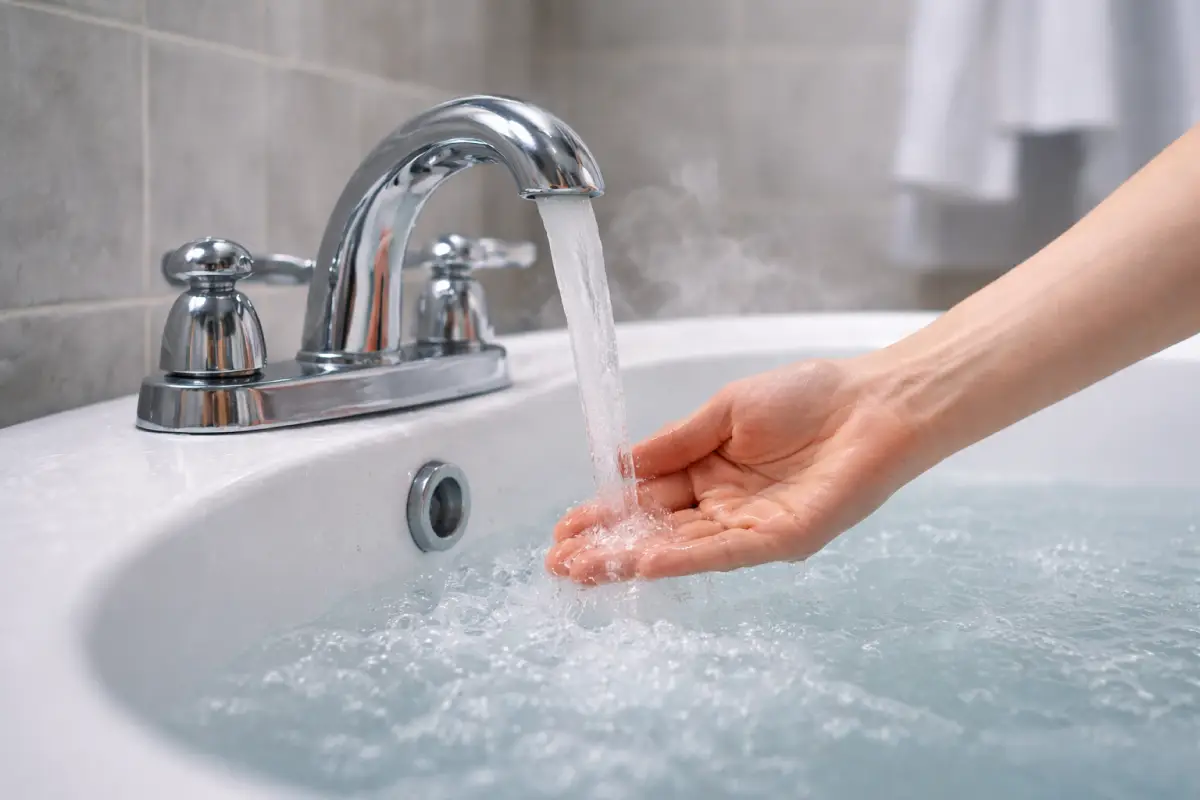
If your hot water has never really lasted long enough, capacity may be the real issue. This can be especially noticeable in homes with large soaking tubs, multiple showers, or simultaneous hot water use in several areas of the house.
Older water heaters often lose efficiency over time
Age plays a major role in water heater performance. As units get older, internal components wear down, sediment tends to build up, and the system becomes less efficient. Even if the water heater still technically works, it may not deliver the same performance it once did.
If your water heater is getting older and you are noticing shorter hot water supply, slower recovery, strange sounds, or inconsistent temperatures, the unit may be nearing the end of its useful life.
Tankless units can have flow or sizing issues too
If you have a tankless water heater, running out of hot water usually points to a different kind of problem. Tankless systems do not store hot water the same way tank models do, but they still have limits. If demand exceeds the unit’s flow rate capacity, you may notice temperature drops or weak hot water performance.
Mineral buildup inside the unit can also affect performance over time, especially in areas with hard water. If a tankless system is undersized or overdue for maintenance, it may not keep up with demand the way it should.
What you can check before calling a plumber
There are a few simple things worth noticing before scheduling service. These observations can help narrow down the issue:
- Does the problem happen only during busy times of day?
- Is the water lukewarm, or does it start hot and turn cold quickly?
- Have you heard popping, rumbling, or unusual sounds?
- Is the system older or showing signs of wear?
- Has your household hot water usage increased recently?
You should avoid taking apart the unit or attempting repairs unless you know exactly what you are doing, especially with gas or electrical components involved.
When it is time to have your water heater inspected
If your hot water keeps running out too fast and the issue is not clearly explained by household demand, it is a good idea to have the system professionally inspected. A technician can check components, test performance, and determine whether repair or replacement makes more sense.
In many cases, catching the problem early can help you avoid a complete loss of hot water later. It can also restore efficiency, improve performance, and reduce the frustration of dealing with cold showers and inconsistent temperatures.
Final Thoughts
Hot water that runs out too fast is a common problem, but it is not something you have to just live with. The cause could be as simple as increased usage or as serious as a failing water heater component.
If your water heater is struggling to keep up, making unusual noises, or no longer delivering the performance your home needs, it may be time to have it professionally evaluated. Understanding the cause is the first step toward getting reliable hot water back.