Water heater problems often develop gradually before a complete failure occurs. Recognizing the early warning signs can help you avoid sudden loss of hot water and costly emergency replacements.
Most water heaters show clear signs when they are nearing the end of their lifespan. Knowing what to look for can help you take action before the system stops working entirely.
1. Inconsistent or reduced hot water
One of the most common signs of a failing water heater is inconsistent performance. If your water is not staying hot as long as it used to or runs out quickly, it may indicate internal issues within the tank.
Sediment buildup, worn heating elements, or aging components can all affect how efficiently your system heats water.
What this usually means
- Sediment buildup reducing heating efficiency
- Failing heating elements
- Aging system nearing replacement
2. Unusual noises from the tank
Rumbling, popping, or banging sounds coming from your water heater are often caused by hardened sediment at the bottom of the tank. As water heats, it pushes through this buildup, creating noise.
Over time, this can reduce efficiency and increase stress on the system, leading to premature failure.
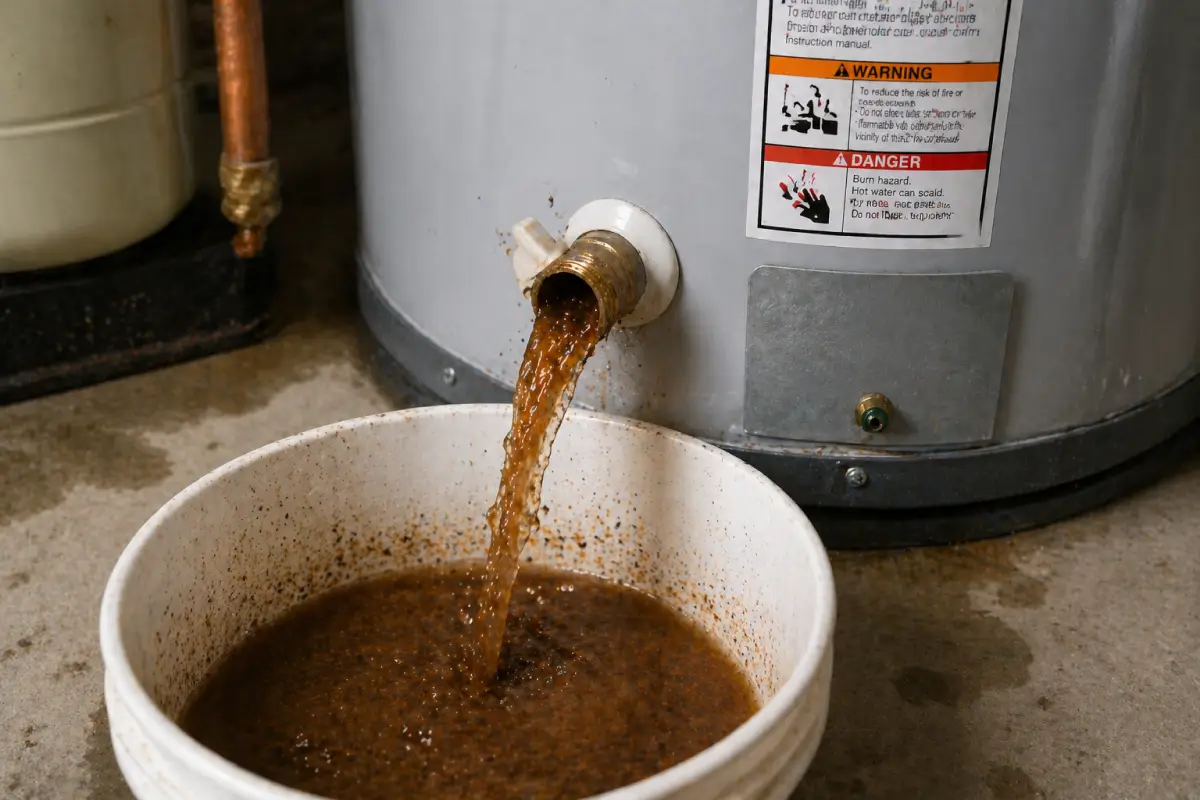
3. Discolored or rusty water
If your hot water appears rusty or discolored, it may be a sign of corrosion inside the tank. This is especially concerning because internal rust can eventually lead to leaks or complete tank failure.
While some discoloration can come from pipes, consistent rust-colored water when using hot water is often linked to the water heater itself.
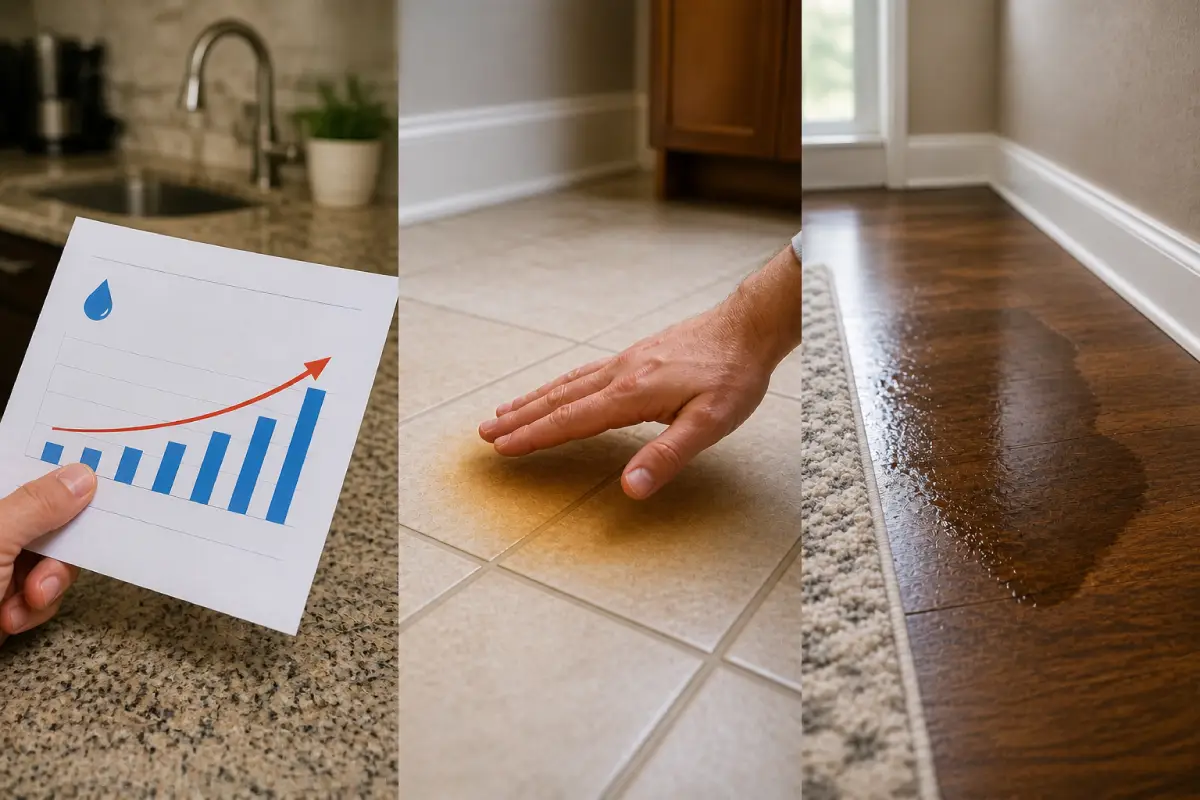
4. Water pooling around the unit
Any visible water around your water heater should be taken seriously. Small leaks can develop from cracks in the tank or failing connections and may worsen quickly.
Ignoring this issue can lead to water damage and complete system failure.
Common sources of leaks
- Cracks in the tank
- Loose or damaged connections
- Pressure relief valve issues
5. Age of the water heater
Most traditional water heaters have a lifespan of around 8 to 12 years. As the system ages, the risk of failure increases, even if it appears to be working normally.
If your unit is approaching or exceeding this range, it may be time to start planning for replacement before an unexpected breakdown occurs.
6. Rising energy or utility costs
A failing water heater often becomes less efficient over time. This can lead to increased energy usage as the system works harder to heat water.
If your utility bills are rising without a clear reason, your water heater may be a contributing factor.
Repair vs replacement
Not every issue means your water heater needs to be replaced immediately. However, repeated problems or signs of internal damage often indicate that replacement is the more cost-effective option.
A professional inspection can help determine whether repair is still viable or if replacement is the better long-term solution.
When to take action
If you notice multiple warning signs or a sudden decline in performance, it is important to act quickly. Waiting too long can lead to complete failure and emergency replacement.
Planning ahead allows you to choose the right system and avoid the stress of unexpected downtime.
Final Thoughts
Water heaters rarely fail without warning. Paying attention to early signs like reduced hot water, unusual noises, or visible leaks can help you avoid costly damage and unexpected breakdowns.
Taking action early gives you more control and helps ensure your home continues to have reliable hot water.