Low water pressure is one of the most common plumbing complaints homeowners experience. While minor fluctuations can occur from time to time, consistently weak water flow may signal a larger issue within your plumbing system. Understanding the warning signs can help you determine whether the problem is simply an inconvenience or something that requires professional attention.
In many cases, serious water pressure problems develop gradually. Identifying the underlying cause early can help prevent additional damage and costly repairs.
When low water pressure becomes a concern
A temporary drop in water pressure is not always a cause for alarm. Municipal water system work, seasonal demand, or a single clogged fixture can occasionally affect water flow. However, when the problem persists or worsens over time, it often points to an issue within the home’s plumbing system.
Consistent low pressure throughout the house should never be ignored, especially when it is accompanied by other warning signs.
1. Multiple fixtures are affected
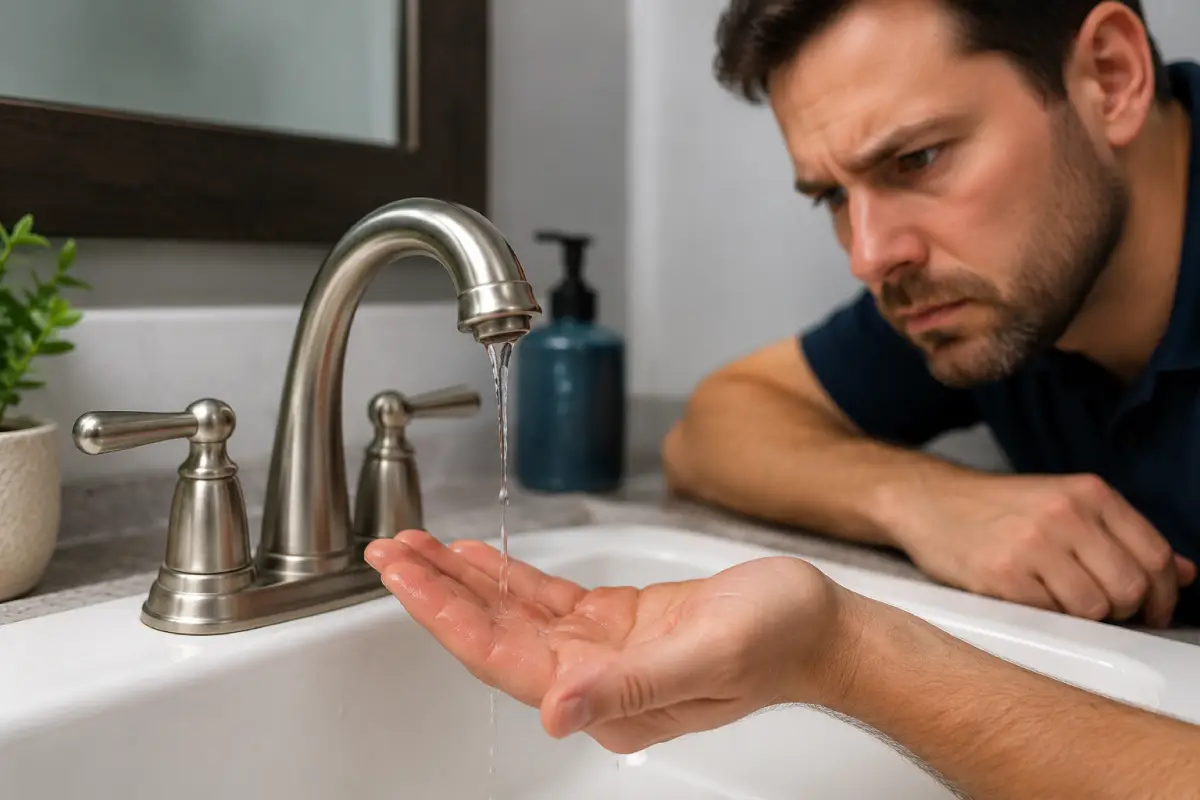
If only one faucet or shower has weak pressure, the issue may be isolated to that fixture. However, when low pressure affects multiple fixtures throughout the home, it often indicates a larger problem involving the plumbing system itself.
Widespread pressure loss can point to leaks, water line issues, pipe corrosion, or restrictions affecting the entire system.
2. Your water pressure is getting worse
Gradual pressure loss is often a sign of a developing plumbing issue. Mineral buildup, pipe corrosion, hidden leaks, and deteriorating plumbing materials can slowly reduce water flow over time.
If you notice that showers, sinks, and appliances are receiving less water than they did a few months ago, further investigation may be necessary.
3. You notice a sudden drop in pressure
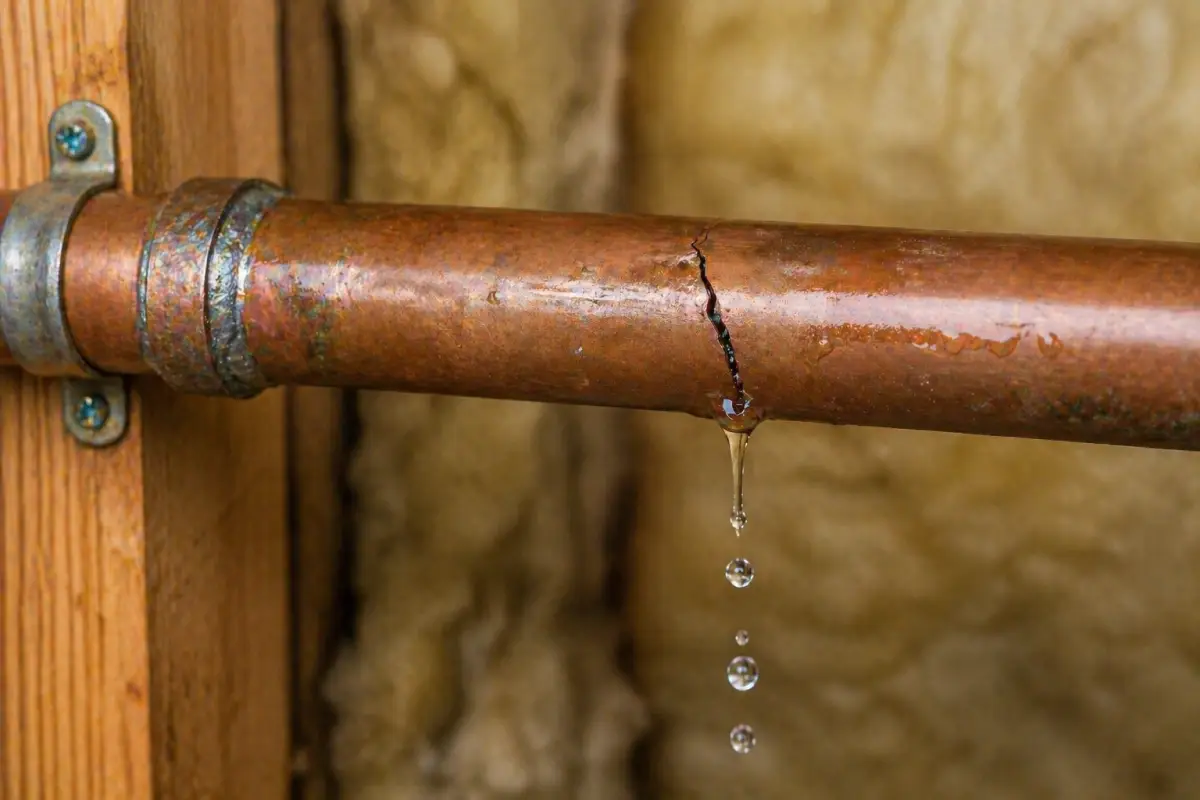
A sudden and significant decrease in water pressure should always be taken seriously. Rapid pressure changes can indicate a burst pipe, major leak, damaged water line, or another issue that requires immediate attention.
The faster the pressure changes, the more urgent it is to identify the cause.
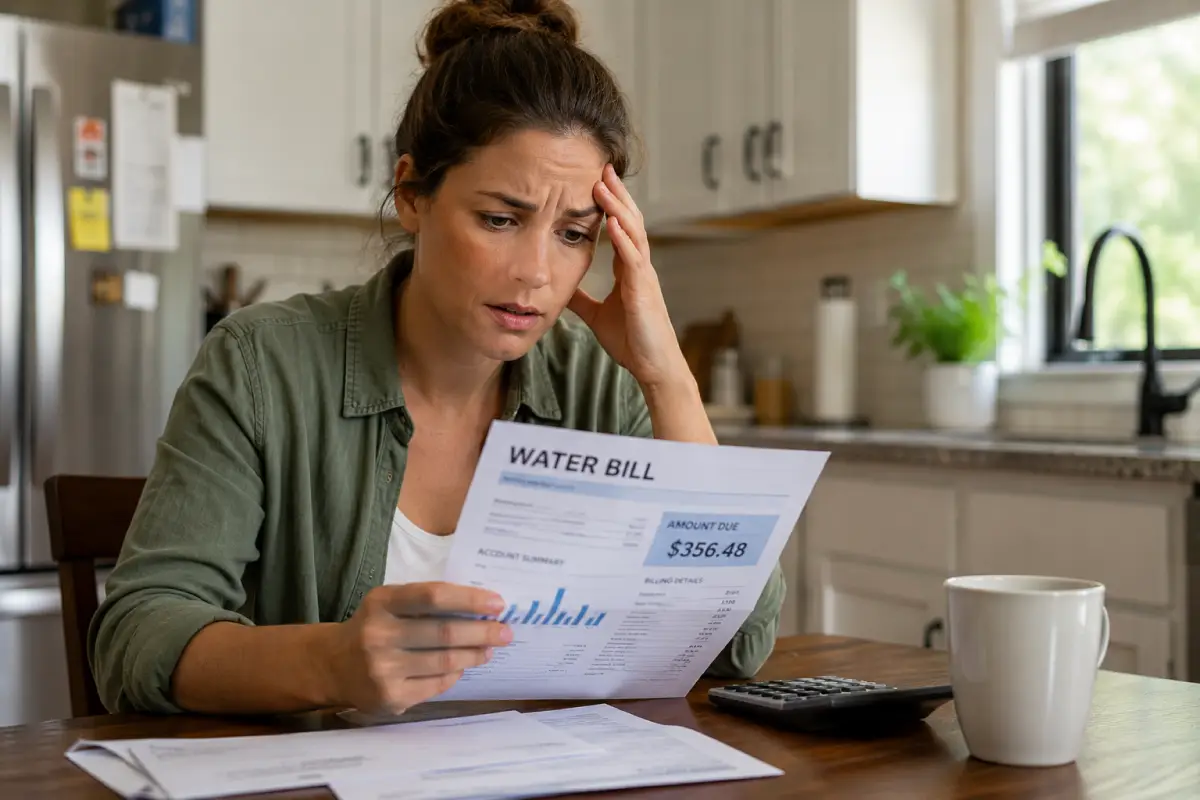
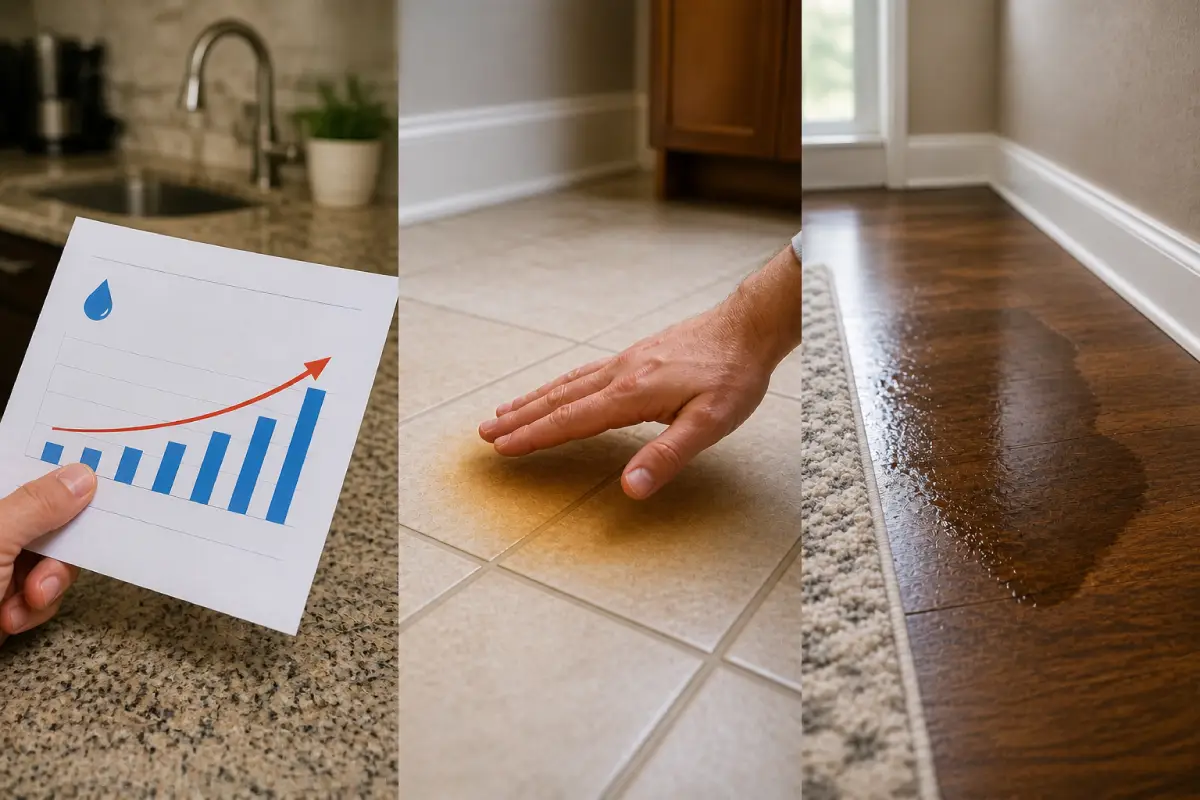
4. Your water bill increases unexpectedly
Low water pressure combined with a higher-than-normal water bill may indicate that water is escaping somewhere within the system. Hidden leaks can reduce available pressure while simultaneously increasing water usage.
Reviewing utility bills can sometimes provide an early clue that a plumbing issue exists behind walls, beneath floors, or underground.
5. You hear water running when nothing is in use
Unexplained sounds of running water can be a sign of a hidden leak. As water escapes from the plumbing system, pressure can drop throughout the home.
If you hear water movement despite all fixtures being turned off, it may be time to have the system inspected.
6. Discolored water accompanies pressure loss
Rust-colored or discolored water combined with low pressure may indicate pipe corrosion. As pipes deteriorate internally, mineral deposits and rust can restrict water flow while affecting water quality.
Older plumbing systems are particularly susceptible to this type of problem.
7. Water pressure changes throughout the day
Significant fluctuations in water pressure may indicate issues with pressure regulators, water supply components, or developing plumbing problems. While some variation is normal, dramatic swings between strong and weak flow should be investigated.
Inconsistent pressure can place additional stress on plumbing fixtures and appliances.
Common serious causes of low water pressure
Several underlying plumbing issues can contribute to serious water pressure problems:
- Hidden water leaks
- Underground water line damage
- Pipe corrosion and mineral buildup
- Failing pressure regulators
- Partially closed shutoff valves
- Aging plumbing systems
When to call a plumber
If low water pressure affects multiple fixtures, continues to worsen, or is accompanied by higher water bills, unusual sounds, or signs of leaks, professional diagnosis is recommended. Identifying the source early can help prevent larger repairs and potential water damage.
A plumbing inspection can determine whether the issue is isolated to a fixture or part of a more significant system-wide problem.
Final Thoughts
Not all water pressure problems are harmless. While some issues are simple to resolve, others can signal leaks, corrosion, water line damage, or failing plumbing components. Paying attention to the warning signs can help protect your home and prevent more expensive repairs in the future.
Addressing water pressure concerns early is often the best way to maintain a reliable and efficient plumbing system.