High water pressure can do more than damage pipes and faucets. It can also place constant stress on your water heater, shortening its lifespan and increasing the risk of leaks, failed components, and costly repairs.
Many homeowners don’t realize their water heater may be showing signs of excessive water pressure until problems begin to appear. This guide explains how high water pressure affects your water heater, the warning signs to watch for, and how protecting your plumbing system can help extend the life of one of your home’s most important appliances.
Can High Water Pressure Really Damage a Water Heater?
Yes. Water heaters are designed to operate within a safe pressure range, just like the rest of your home’s plumbing system. When water pressure remains consistently too high, every component inside and around the water heater experiences additional stress each time hot water is used.
Although the damage usually develops gradually, excessive pressure can shorten the lifespan of the tank, weaken valves and fittings, increase the likelihood of leaks, and cause safety devices to activate more frequently than intended.
Even a relatively new water heater can experience premature wear if high water pressure isn’t corrected.
Learn more about our Pressure Reducing Valve Installation & Replacement services →How Does High Water Pressure Affect a Water Heater?
Every time your water heater fills with cold water, the incoming pressure pushes against the tank, fittings, and internal components. When that pressure exceeds normal operating levels, the added force accelerates wear throughout the system.
Unlike a sudden plumbing emergency, pressure-related damage often develops slowly over months or years before homeowners notice obvious symptoms.
- Additional stress on the tank.
- Premature wear of internal valves.
- Increased strain on pipe connections.
- More frequent operation of safety components.
- Higher likelihood of plumbing leaks.
The higher the water pressure, the harder every connected plumbing component must work.
Warning Signs High Water Pressure Is Affecting Your Water Heater
In many homes, the water heater is one of the first plumbing fixtures to show signs of excessive water pressure. While these symptoms don’t always confirm a pressure problem, they often indicate it’s time to have your plumbing system inspected.
- Water leaking around the base of the water heater.
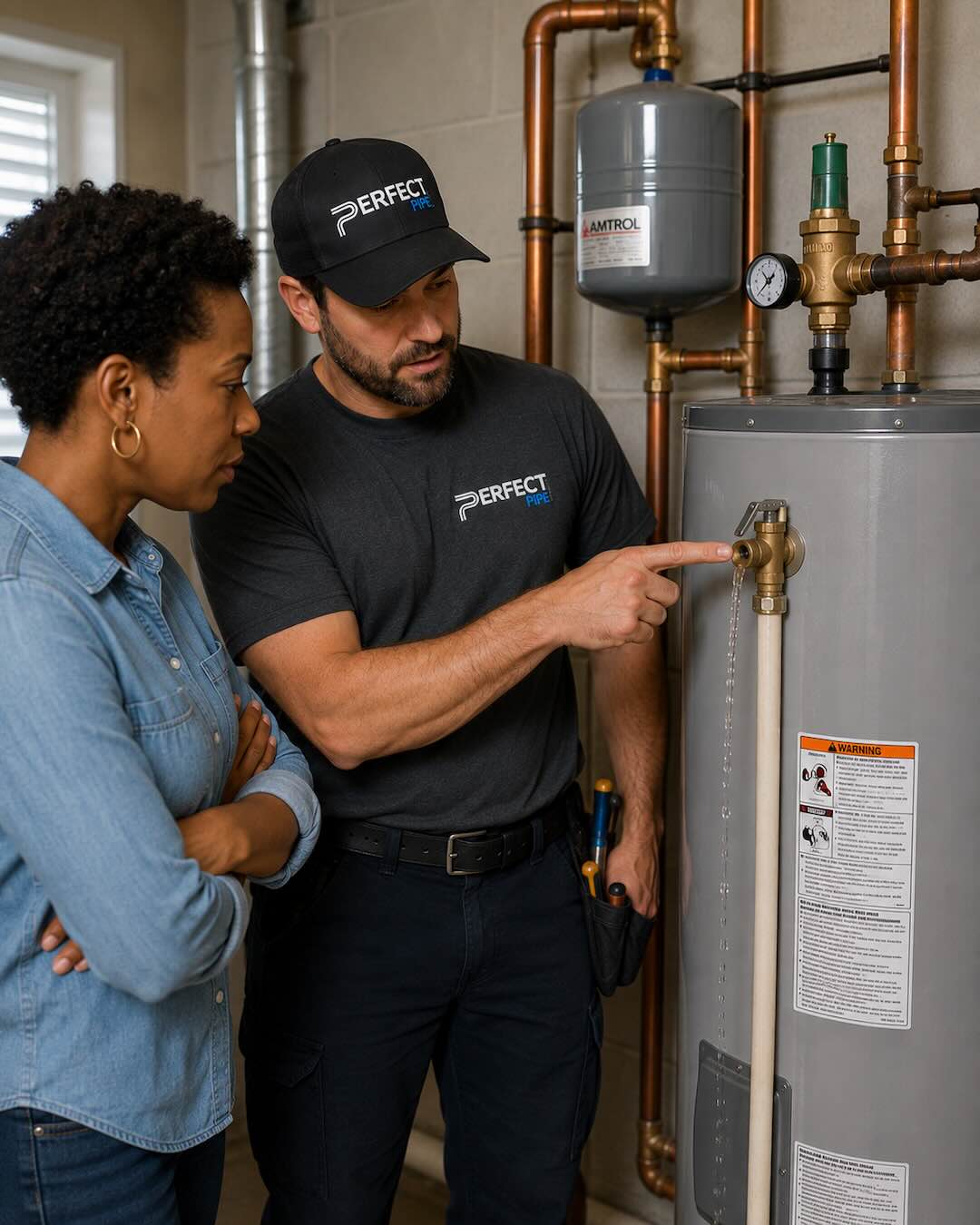
- Frequent discharge from the temperature and pressure (T&P) relief valve.
- Banging or popping noises from the water heater.
- Leaks around plumbing connections above the tank.
- Fluctuating hot water pressure.
- Premature water heater failure.
If several of these warning signs appear together, excessive water pressure may be contributing to the problem.
Why Does the Temperature and Pressure Relief Valve Leak?
The temperature and pressure relief (T&P) valve is one of your water heater’s most important safety features. Its job is to release water if pressure or temperature inside the tank rises beyond safe operating limits.
If this valve occasionally releases a small amount of water, it may be responding to excessive pressure inside the system. While the valve itself may not be defective, frequent discharge should never be ignored because it’s often a symptom of another underlying plumbing issue.
A licensed plumber can determine whether high water pressure, thermal expansion, or another problem is causing the relief valve to activate.
Can High Water Pressure Shorten a Water Heater’s Lifespan?
Absolutely. Most water heaters are expected to last between 8 and 15 years depending on the type of system, water quality, maintenance, and household usage. However, consistently high water pressure can significantly reduce that lifespan by placing continuous stress on the tank and plumbing connections.
Replacing a pressure reducing valve or correcting excessive pressure early often costs far less than replacing a water heater years before its expected service life.
Can a Pressure Reducing Valve Protect Your Water Heater?
Yes. A pressure reducing valve (PRV) is designed to lower incoming municipal water pressure to a safe level before it enters your home’s plumbing system. By maintaining consistent pressure, the PRV helps protect not only your water heater but also your pipes, faucets, toilets, and appliances.
If your home doesn’t have a pressure reducing valve, or if the existing valve is failing, your water heater may be exposed to pressure levels that accelerate wear over time.
Keeping water pressure within the recommended range is one of the simplest ways to help maximize the lifespan of your water heater.
What Water Pressure Is Safe for a Water Heater?
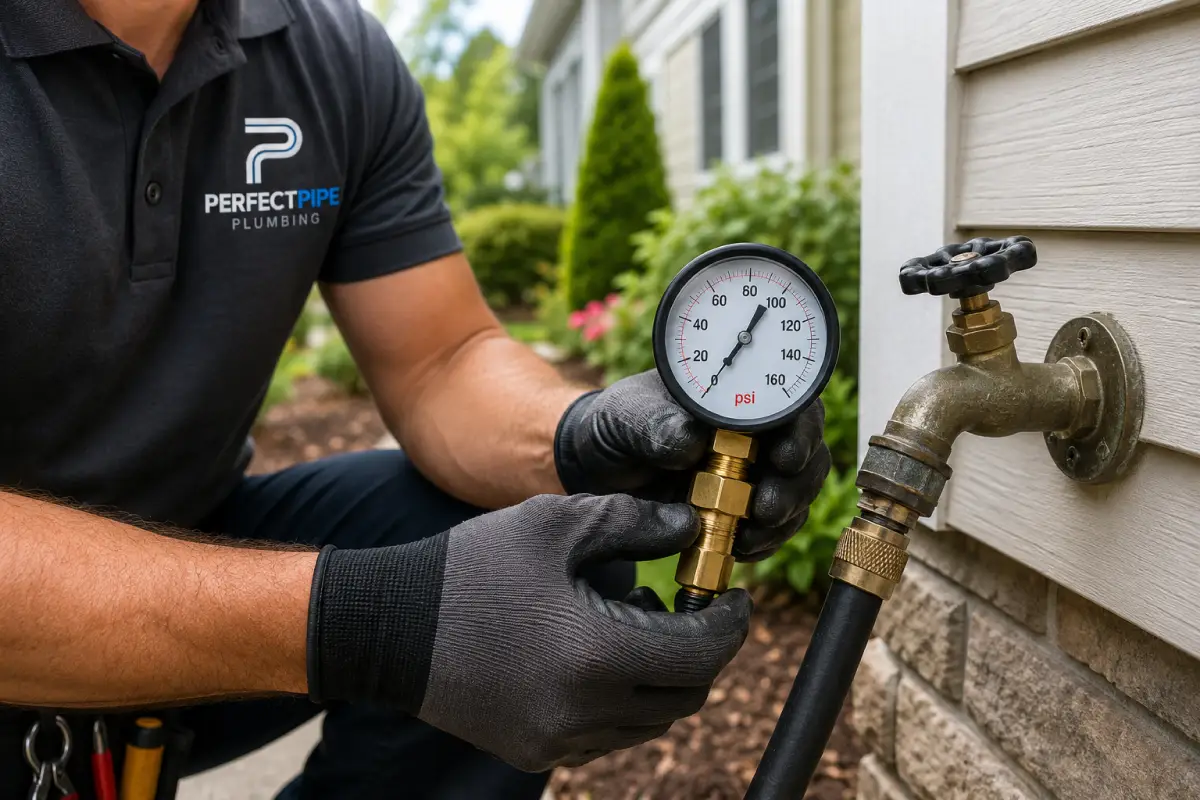
Most residential plumbing systems perform best with water pressure between 40 and 60 PSI. While pressure approaching 80 PSI is generally considered the upper acceptable limit, anything consistently above that can place unnecessary stress on your plumbing system and water heater.
If you’re unsure what your home’s water pressure is, a plumber can quickly test it using a pressure gauge and determine whether adjustments or repairs are needed.
How Can You Tell If High Water Pressure Is the Problem?
Because many plumbing issues share similar symptoms, it’s not always obvious that excessive water pressure is the underlying cause. Looking at your entire plumbing system instead of just the water heater often provides valuable clues.
- Dripping faucets throughout the home.
- Frequently running toilets.
- Pipes that bang when water is turned off.
- Repeated plumbing leaks.
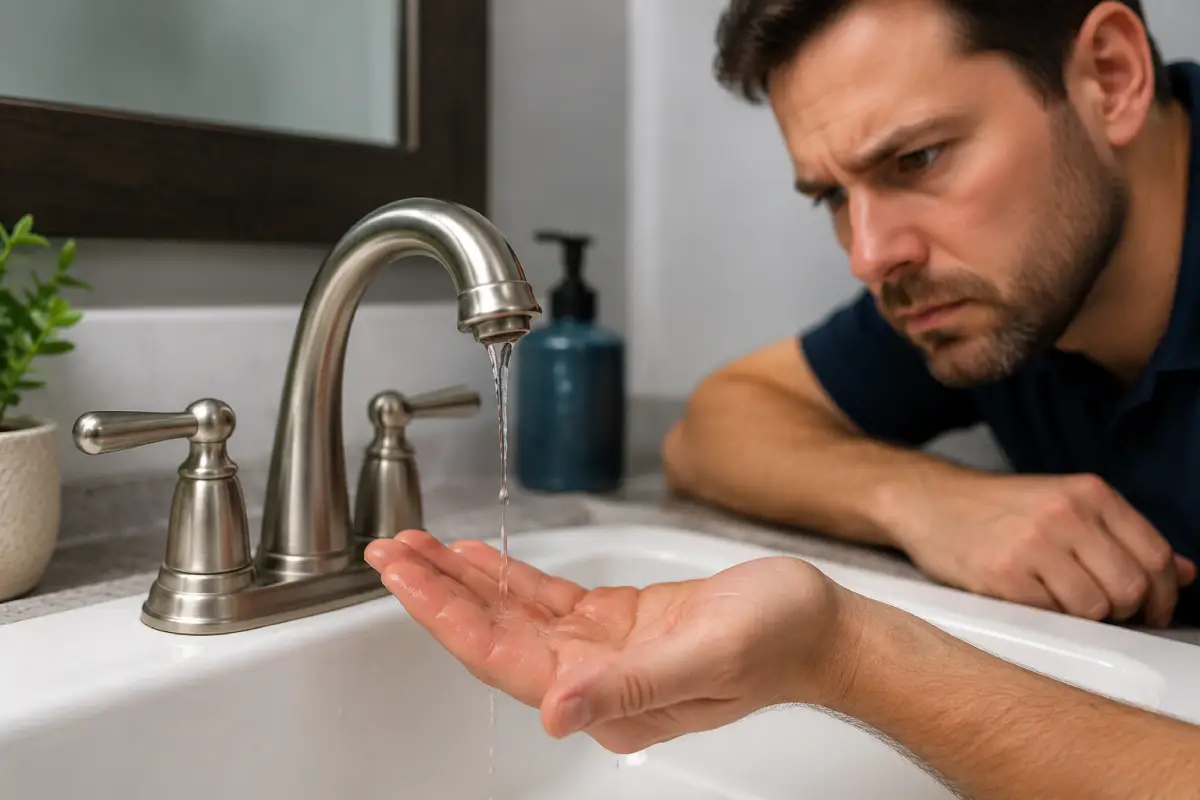
- Strong water flow at every fixture.
- Water heater relief valve discharge.
If several of these issues are occurring at the same time, your home’s water pressure should be professionally evaluated.
How Can You Help Extend the Life of Your Water Heater?
While no water heater lasts forever, routine maintenance and proper water pressure can significantly improve its longevity. Addressing small issues before they become major repairs helps reduce unnecessary wear throughout the plumbing system.
- Test your home’s water pressure periodically.
- Replace a failing pressure reducing valve promptly.
- Flush sediment from the water heater according to the manufacturer’s recommendations.
- Inspect the temperature and pressure relief valve during routine maintenance.
- Repair plumbing leaks as soon as they’re discovered.
- Schedule regular professional plumbing inspections.
These simple maintenance steps can help reduce strain on your water heater while improving the overall reliability of your plumbing system.
Frequently Asked Questions About High Water Pressure and Water Heaters
Can high water pressure cause a water heater to leak?
Yes. Excessive water pressure can place continuous stress on the tank, fittings, valves, and plumbing connections, increasing the likelihood of leaks over time.
Will replacing my water heater fix high water pressure?
No. If excessive water pressure is the underlying problem, installing a new water heater without correcting the pressure issue may simply expose the replacement unit to the same conditions.
Can high water pressure damage a tankless water heater?
Yes. Although tankless systems don’t store water like traditional tank-style heaters, excessive water pressure can still place added stress on internal components, valves, and plumbing connections.
Should I replace my pressure reducing valve if my water heater keeps having problems?
If testing shows your home’s water pressure is consistently too high and the pressure reducing valve is no longer functioning properly, replacing the valve may help protect both your current water heater and future plumbing components.
Final Thoughts
High water pressure doesn’t just affect your pipes. It can significantly shorten the lifespan of your water heater as well. Continuous pressure places unnecessary stress on the tank, valves, and plumbing connections, increasing the risk of leaks, premature failures, and expensive repairs.
If you’ve noticed relief valve discharge, recurring plumbing leaks, unusually strong water pressure, or other warning signs, having your home’s water pressure professionally tested can help identify the problem before it causes further damage.
At Perfect Pipe Plumbing, we provide professional water pressure testing, pressure reducing valve replacement, and water heater services to help homeowners protect their plumbing systems and maximize the lifespan of their equipment.