The cost of drain cleaning depends on the type of clog, its location, and how difficult it is to remove. Some clogs are simple to clear, while others require specialized tools and more time.
Knowing what impacts the cost can help you understand your options and avoid surprises when it comes time to fix the problem.
What affects the cost of drain cleaning
Not all clogs are the same. The complexity of the issue and how accessible the drain is will play a major role in determining the final cost.
Key factors that impact pricing
- Location of the clog (sink, tub, main line)
- Severity of the blockage
- Type of debris causing the clog
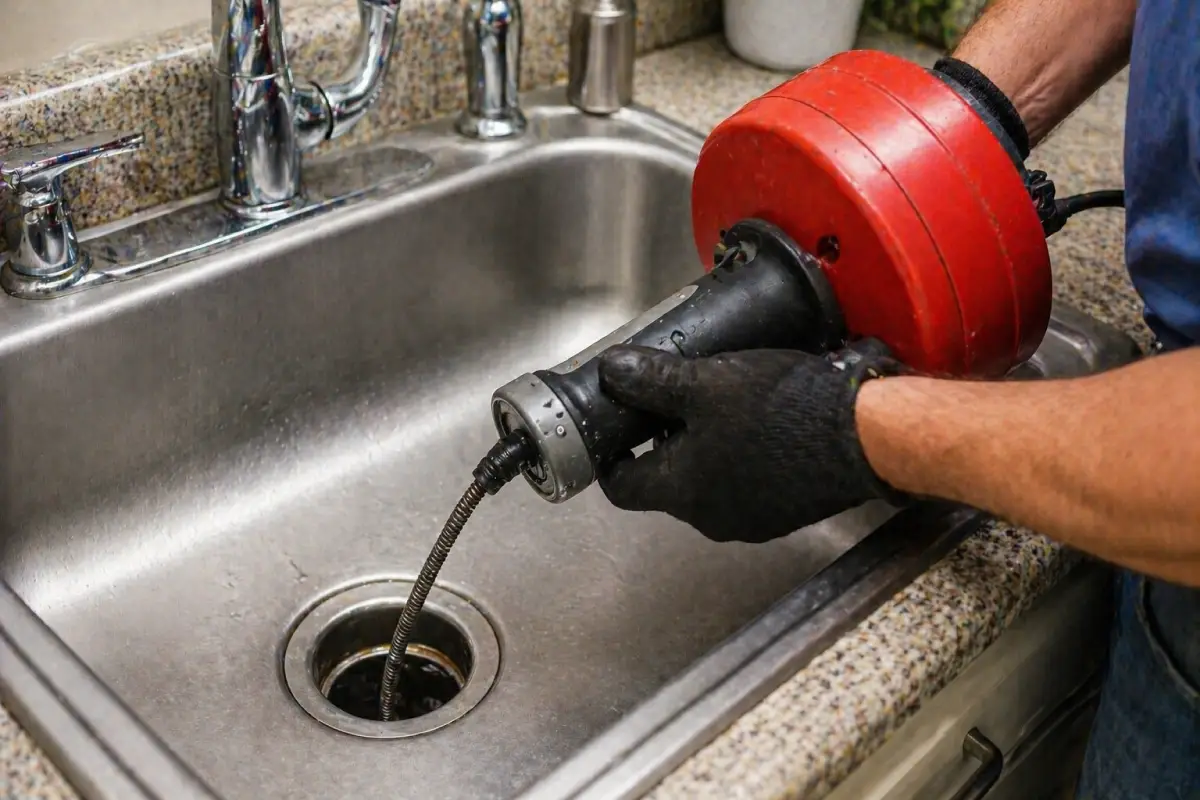
- Tools required to clear the drain
- Whether emergency service is needed
A simple clog near the surface is usually quicker and less expensive to fix than a deeper blockage in the system.
Typical cost ranges for drain cleaning
While pricing varies, most drain cleaning services fall within a general range depending on the situation.
- Minor clogs: typically lower cost due to quick access and simple removal
- Moderate clogs: may require additional time or tools
- Main line clogs: higher cost due to complexity and equipment
The sooner a clog is addressed, the more likely it can be resolved quickly and at a lower cost.
When drain cleaning becomes more expensive
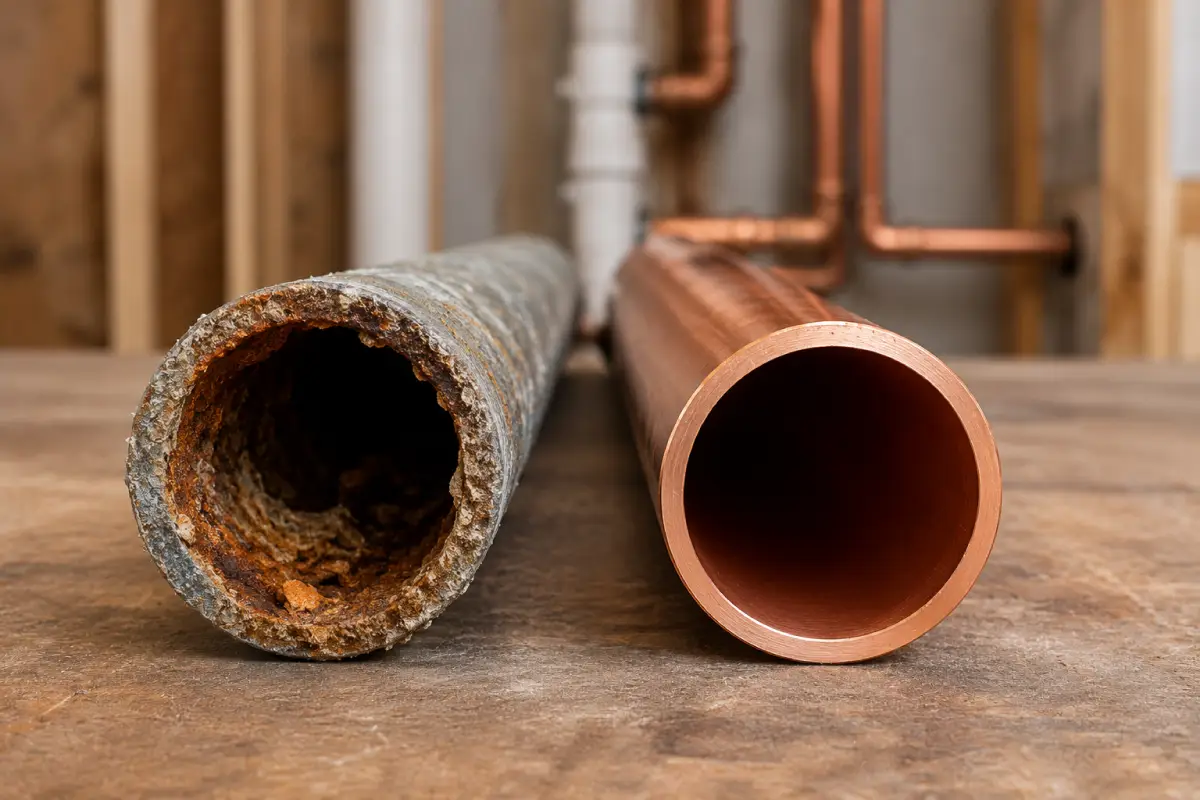
Costs can increase when clogs are left untreated or when the issue is more severe than expected. What starts as a slow drain can turn into a complete blockage or backup.
In some cases, additional services may be required to fully resolve the problem.
Situations that can increase cost
- Severe blockages deep in the system
- Tree root intrusion in sewer lines
- Recurring clogs that indicate a larger issue
- Emergency service calls
Drain cleaning vs more serious repairs
In some situations, a clog may be a symptom of a larger problem rather than the main issue. If drain cleaning does not fully resolve the problem, further inspection may be needed.
Identifying the root cause can help prevent repeated issues and additional costs over time.
How to keep drain cleaning costs low
Preventative maintenance and early action are the best ways to avoid higher costs. Small clogs are easier and less expensive to fix than major blockages.
Simple ways to reduce costs
- Avoid putting grease or debris down drains
- Use drain strainers to catch hair and particles
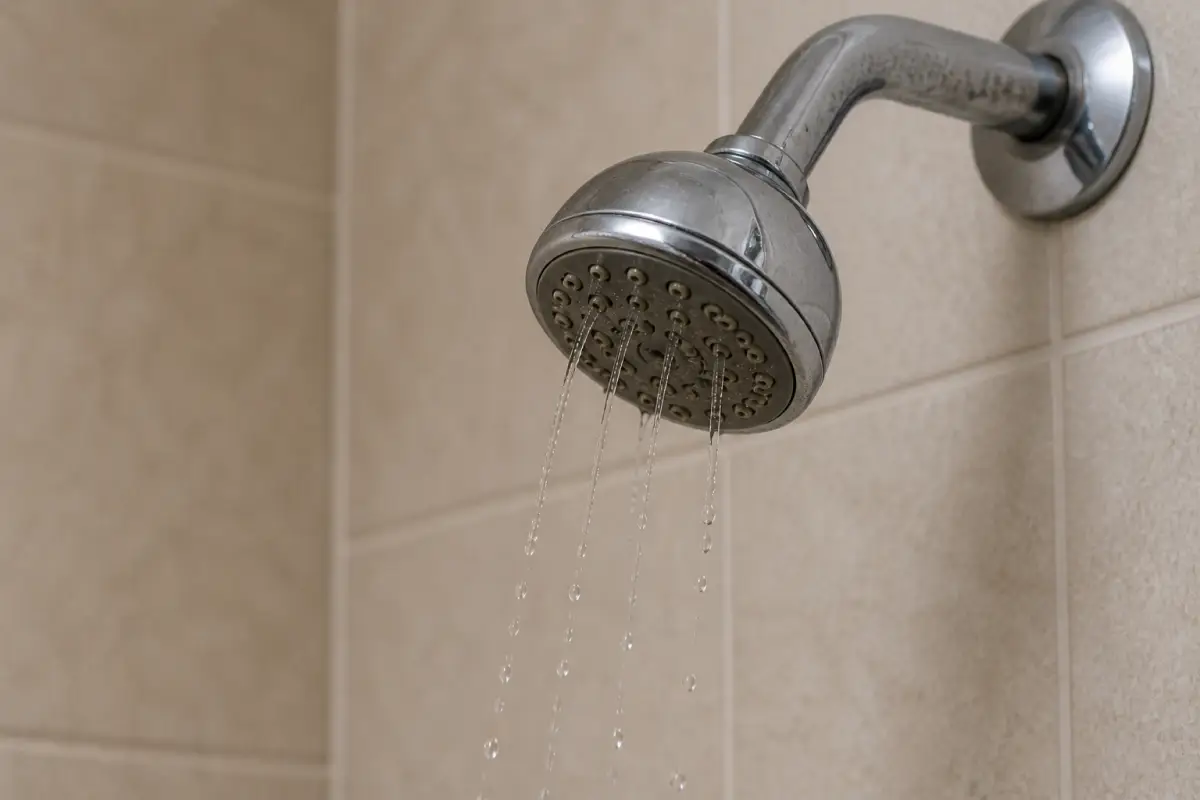
- Address slow drains early
- Schedule routine maintenance if needed
When to call a professional
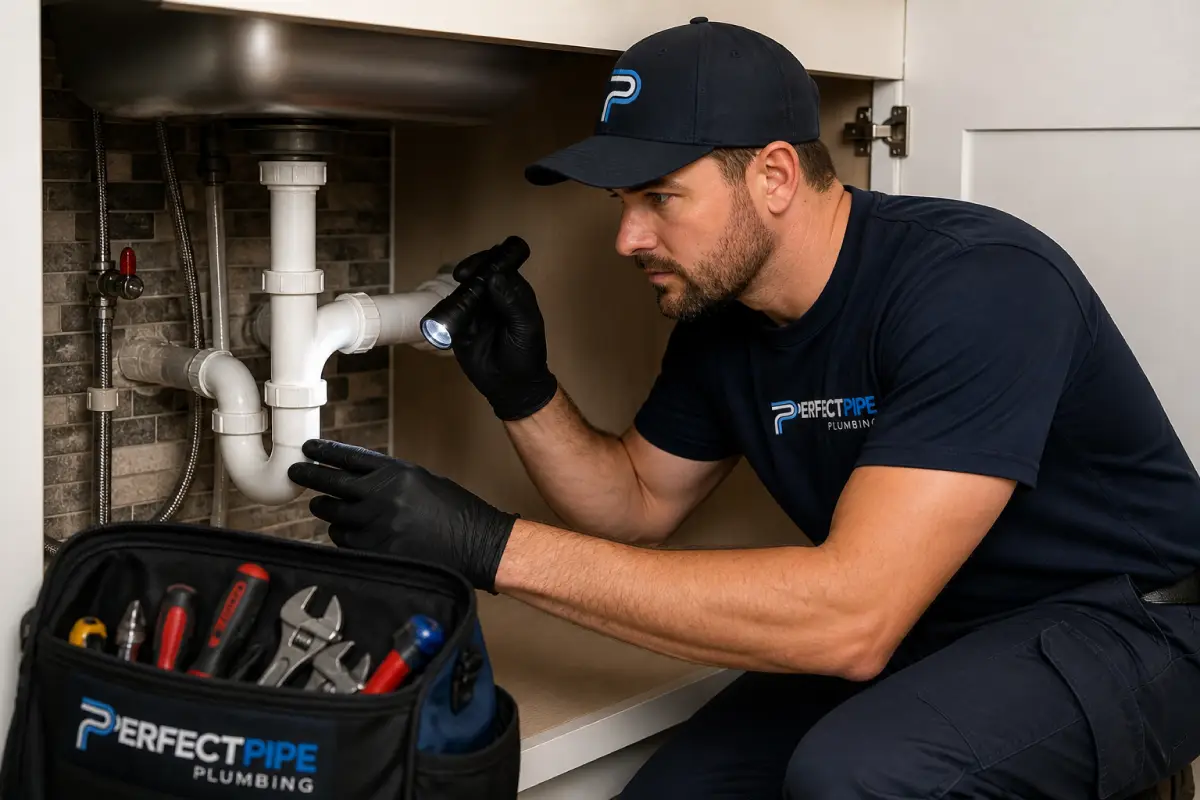
If you are dealing with slow drains, recurring clogs, or backups, it is best to have the issue inspected. Professional drain cleaning can remove blockages safely and restore proper flow.
Waiting too long can allow the problem to worsen and increase the cost of repair.
Final Thoughts
Drain cleaning costs depend on the severity and location of the clog. Addressing issues early can help keep costs lower and prevent more serious problems.
Taking a proactive approach is the best way to keep your plumbing system running smoothly.