Emergency plumbing services are designed to respond quickly when serious issues arise, but that urgency can come with higher costs than standard repairs. Knowing what goes into emergency pricing makes it more manageable when time matters most.
While every situation is different, there are common factors that affect the cost of emergency plumbing services. Knowing these can help you avoid surprises and make informed decisions.
What qualifies as a plumbing emergency
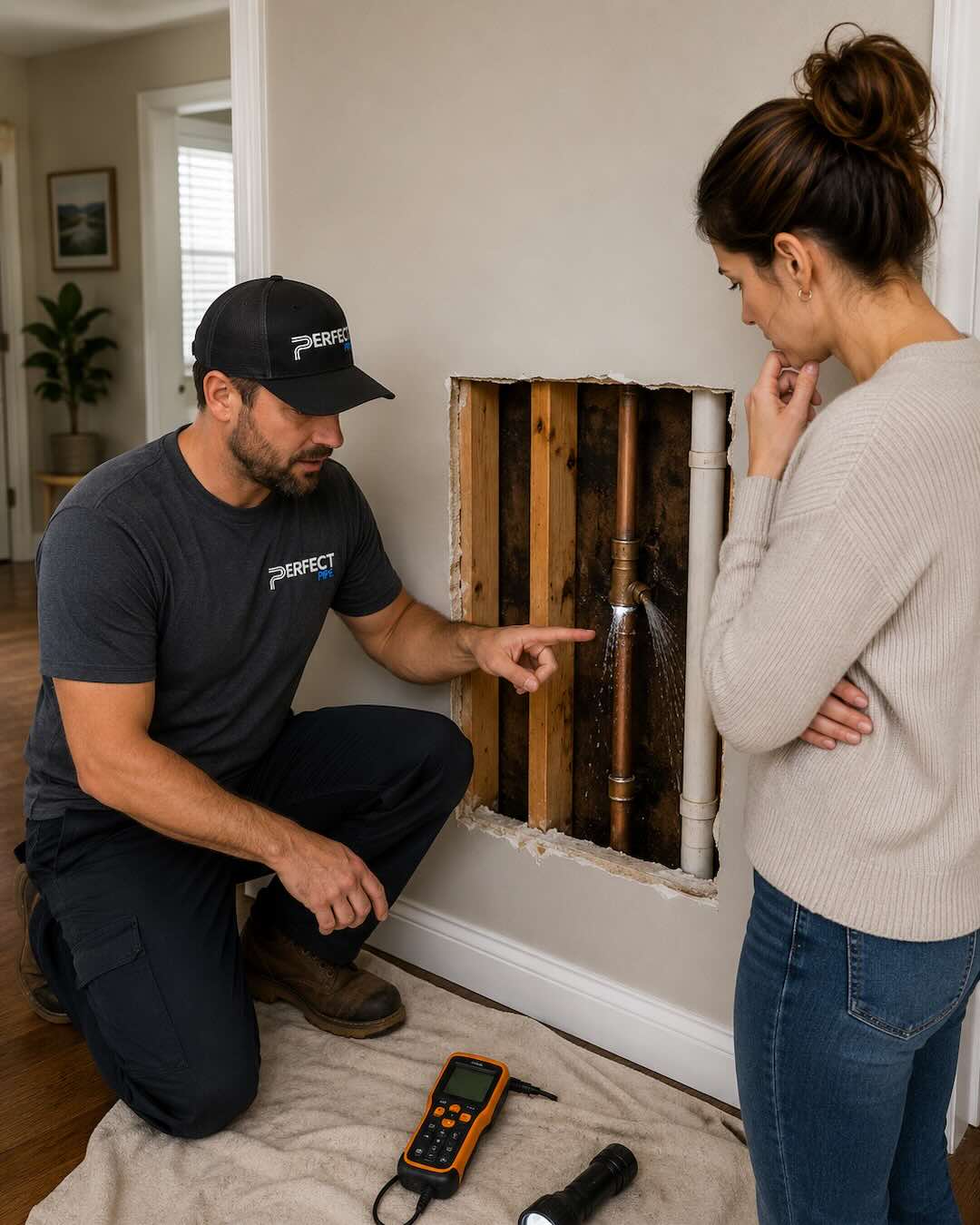
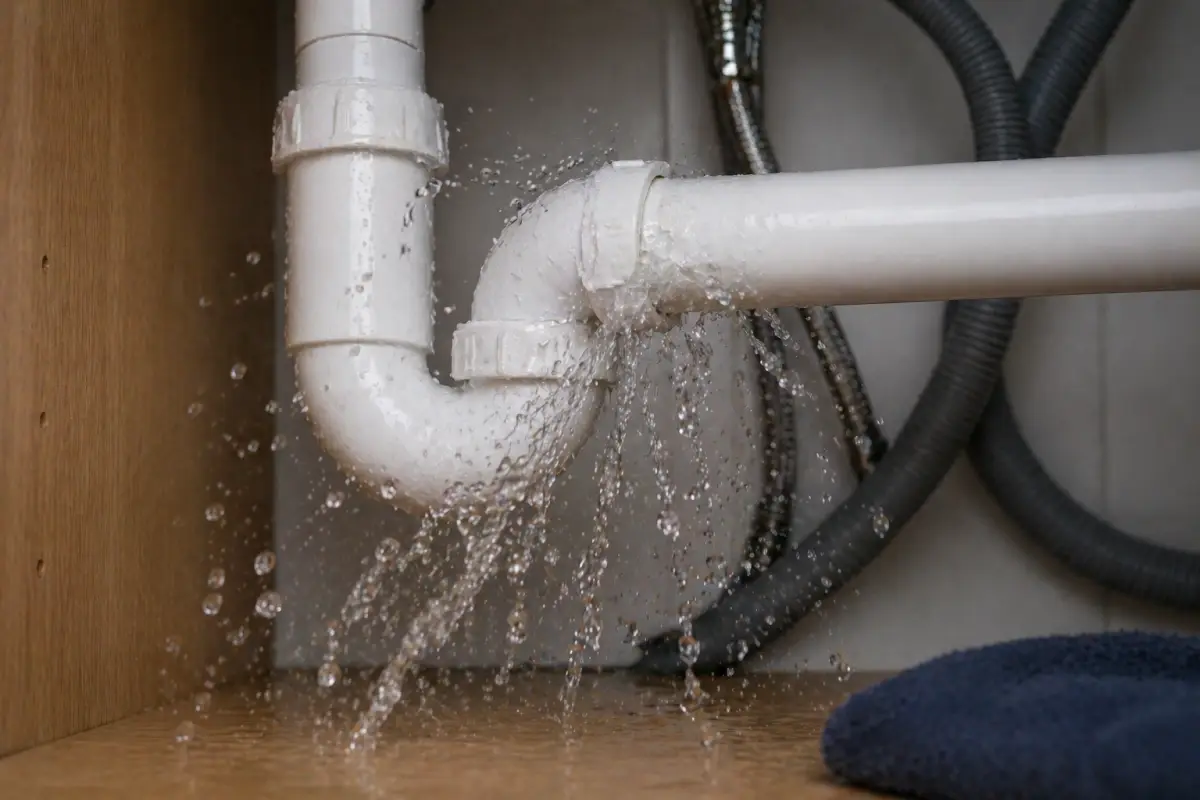
Not every plumbing issue requires immediate service, but some problems need urgent attention to prevent serious damage. Common examples of plumbing emergencies include burst pipes, major leaks, sewer backups, and complete loss of water.
These situations can quickly lead to water damage, safety concerns, or disruption to your home, which is why fast response is critical.
Why emergency plumbing costs more
Emergency plumbing services often cost more than standard appointments because they require immediate availability, extended hours, and faster response times.
Technicians may need to respond outside of normal business hours, including nights, weekends, or holidays. This added urgency and flexibility can increase overall pricing.
Common factors that affect cost
Several factors influence how much an emergency plumbing repair may cost:
- The severity of the problem
- The location of the issue within your plumbing system
- The time of day or when service is needed
- The parts and materials required for repair
- The time needed to complete the work
More complex or hard-to-reach issues typically take longer to fix and may require additional materials, which can increase the total cost.
Typical emergency plumbing cost ranges
While exact pricing varies by location and situation, emergency plumbing services are often higher than standard service calls. Costs can range depending on the type of repair and how quickly service is required.
Smaller emergency repairs may be more manageable, while major issues like burst pipes or sewer line problems can require more time and resources.
The best way to understand your specific cost is to have the issue evaluated as soon as possible.
How to avoid higher emergency costs
While not all emergencies can be prevented, regular maintenance and early detection can reduce the risk of sudden problems.
- Address small leaks before they get worse
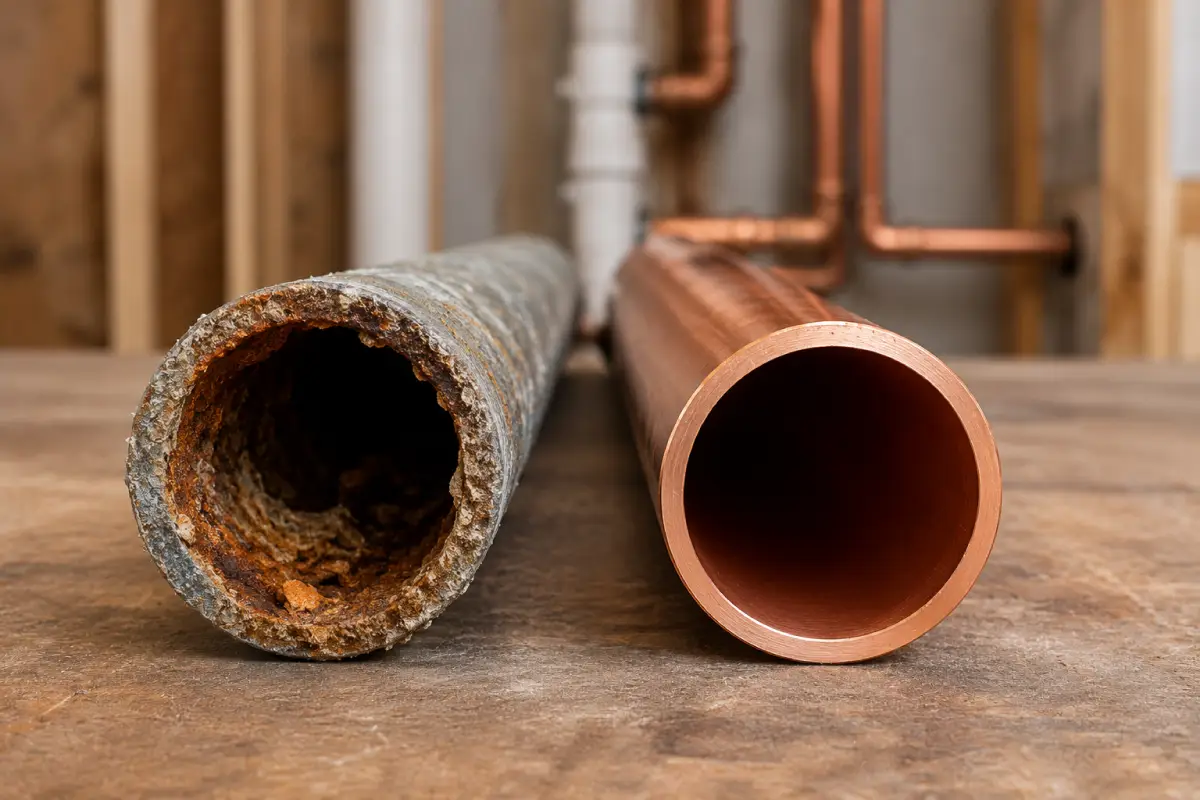
- Watch for warning signs like low pressure or slow drains
- Schedule routine inspections when needed
- Know where your main shutoff valve is located
Taking these steps can help you catch problems early and avoid costly emergency situations.
What to expect during an emergency service call
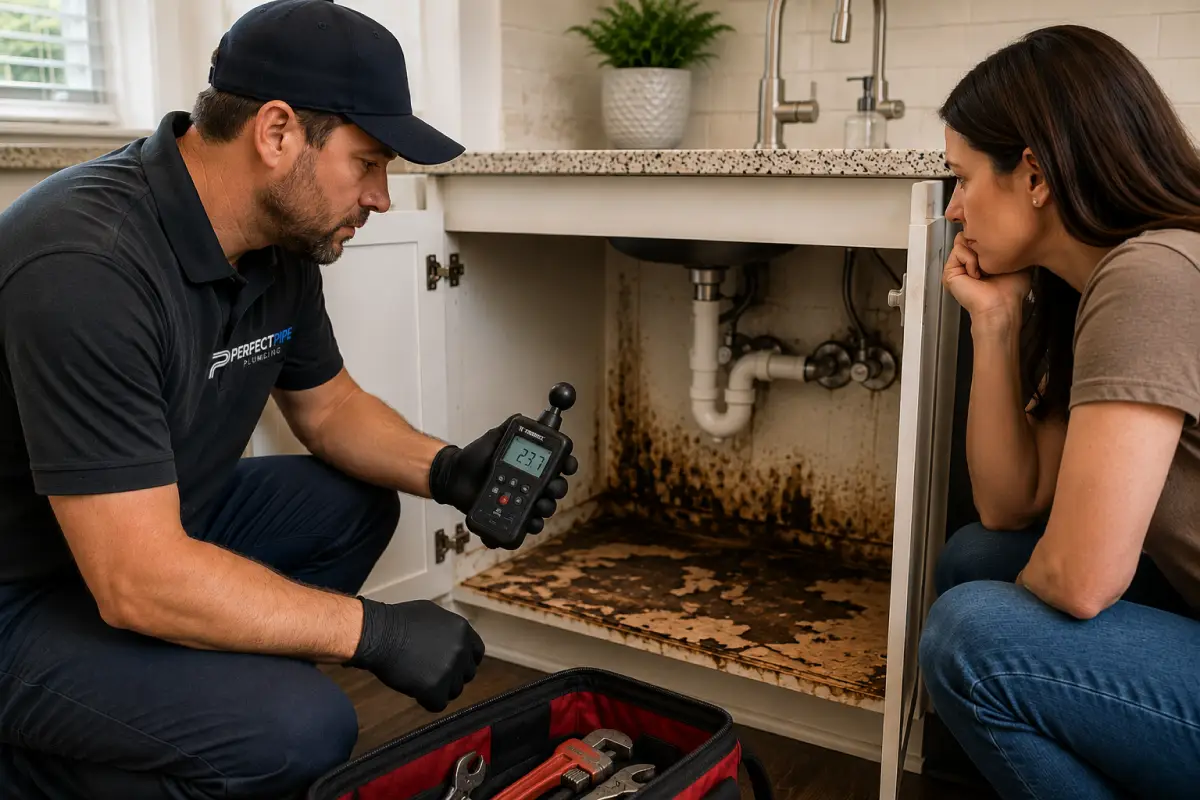
During an emergency visit, a plumber will first assess the situation to identify the source of the problem. They will then explain the issue and recommend the best solution.
In many cases, the goal is to stop immediate damage first, followed by a more permanent repair if needed.
Clear communication during this process can help you understand both the problem and the associated costs.
When to call immediately
If you are dealing with a burst pipe, active leak, sewage backup, or no water at all, it is important to seek help right away. Delaying service in these situations can lead to significant damage and higher repair costs.
Acting quickly can minimize damage and reduce the overall impact on your home.
Final Thoughts
Emergency plumbing costs can vary depending on the situation, but understanding what affects pricing can help you feel more prepared when urgent issues arise.
While emergency services may cost more due to urgency, quick action can prevent even more expensive damage in the long run.