The cost to replace pipes depends on much more than the pipe itself. Factors such as the location of the plumbing, the type of material being used, the extent of the replacement, and the accessibility of the affected area all play a role in determining the final cost.
Some homeowners only need a short section of damaged pipe replaced, while others may require extensive repiping due to aging materials, recurring leaks, or widespread corrosion. Understanding the variables involved can help you better prepare for a pipe replacement project.
What determines the cost of pipe replacement?
Every plumbing system is different, which is why pipe replacement costs can vary so widely. The overall price is influenced by several factors, including the size of the project, labor requirements, materials, and how easily the plumbing can be accessed.
A straightforward repair in an accessible location is generally less expensive than replacing pipes hidden behind walls, beneath floors, or underneath a home’s foundation.
Partial pipe replacement vs. whole-home repiping
One of the biggest factors affecting cost is how much piping needs to be replaced. In some cases, only a small section of damaged pipe requires attention. This is common when a leak is isolated to a specific area of the home.
However, if the plumbing system is aging, experiencing repeated leaks, or showing signs of widespread deterioration, a whole-home repiping project may provide a more reliable long-term solution. While a larger project requires a greater investment upfront, it can eliminate recurring repair costs and improve overall system performance.
Pipe material matters
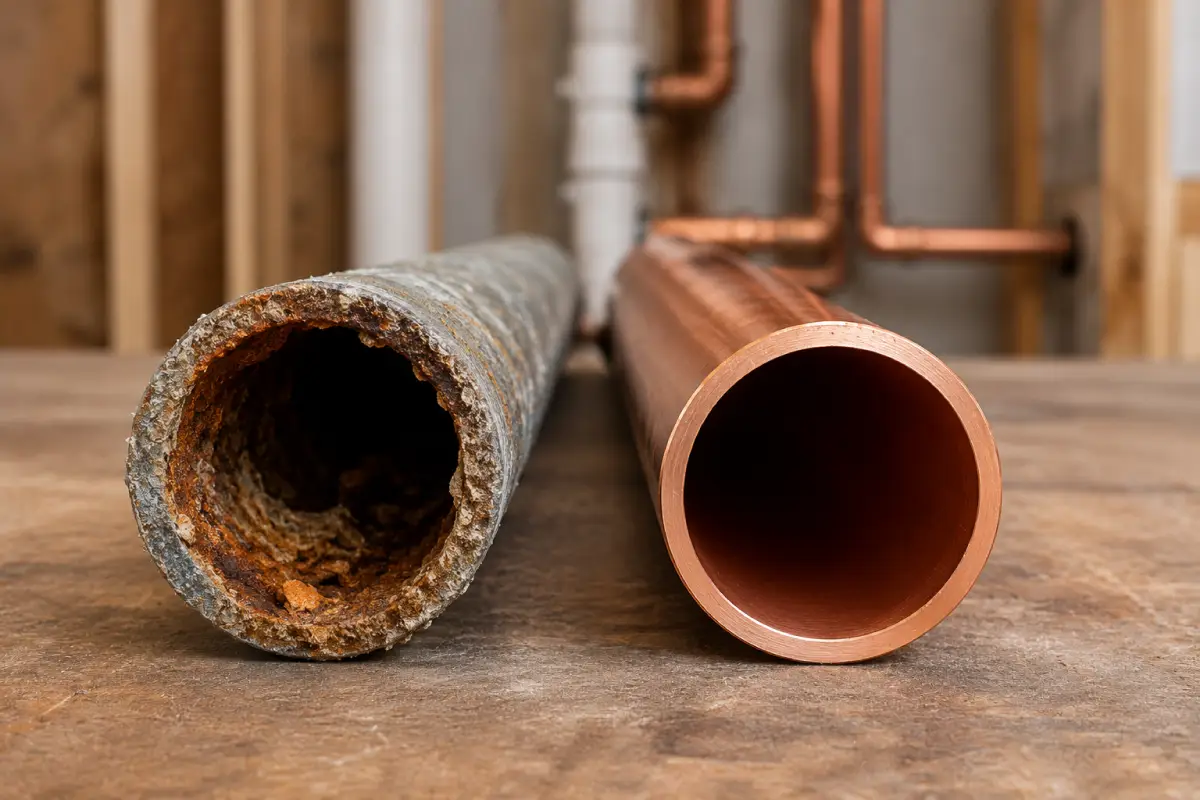
The type of piping material used in the replacement can significantly influence cost. Modern plumbing systems commonly use materials such as PEX and copper, each offering different advantages in terms of durability, flexibility, and installation requirements.
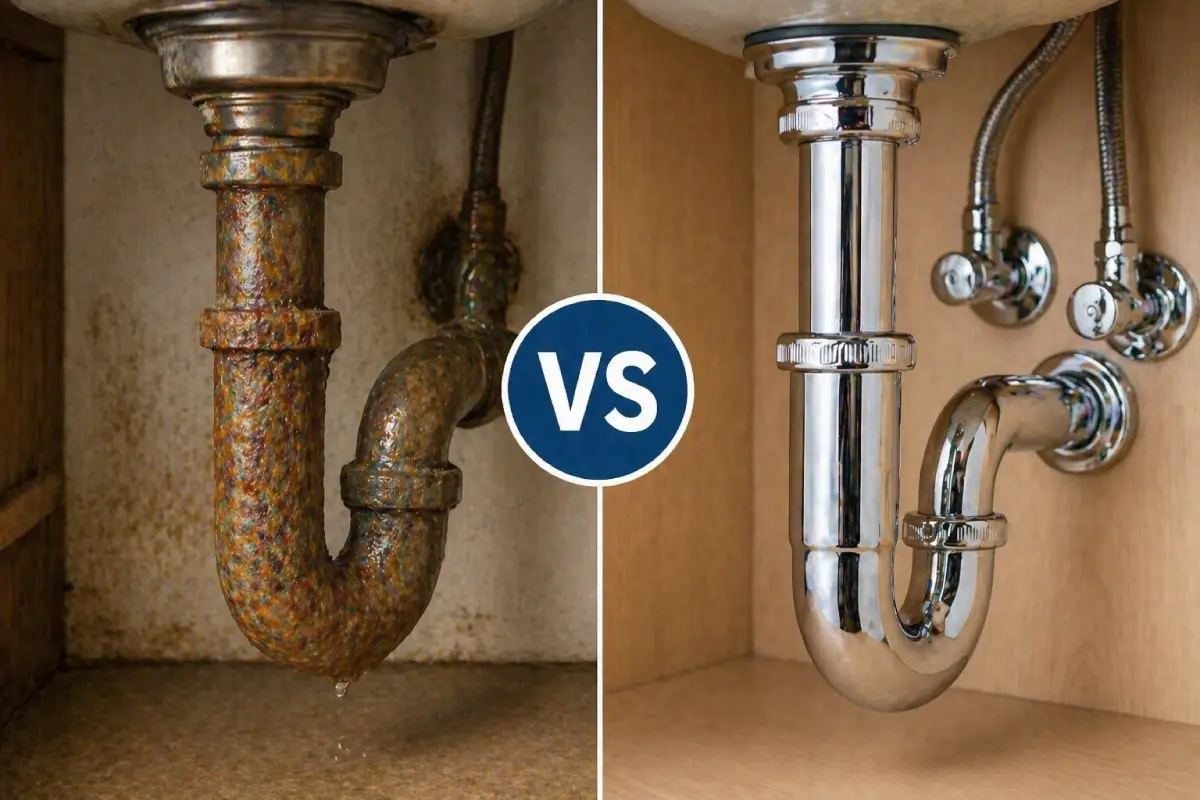
Older homes may contain galvanized steel, polybutylene, or aging copper pipes that are more prone to leaks and corrosion. Replacing outdated materials often improves water flow, reliability, and long-term performance.
Accessibility of the pipes
Accessibility is one of the most important cost factors. Pipes located inside walls, ceilings, crawl spaces, or beneath concrete slabs generally require more labor to reach and replace. Additional work may be needed to remove and restore drywall, flooring, cabinetry, or other finished surfaces.
By contrast, exposed pipes located in basements, utility rooms, or accessible crawl spaces are typically easier and less expensive to replace.
Labor and installation complexity
Pipe replacement often involves more than simply removing old plumbing and installing new materials. The work may require rerouting lines, updating connections, ensuring compliance with current plumbing codes, and testing the system after installation.
More complex projects generally require additional labor and time, which contributes to the overall cost.
Signs your pipes may need replacement
While not every plumbing issue requires new pipes, certain warning signs often indicate that replacement should be considered. Repeated repairs can become more expensive over time than addressing the underlying problem.
- Recurring pipe leaks
- Discolored or rusty water
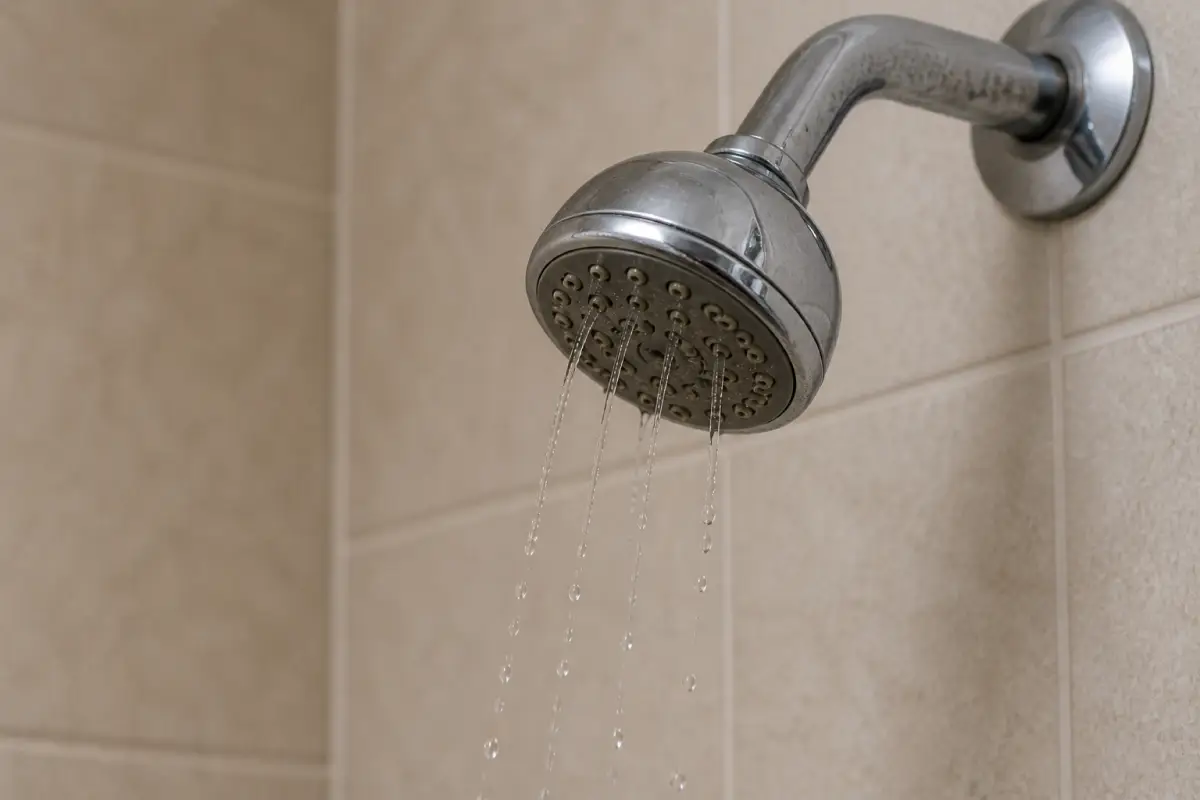
- Frequent drops in water pressure
- Visible corrosion on exposed pipes
- Water damage with no obvious source
- Older plumbing materials reaching the end of their lifespan
Is pipe replacement worth it?
For many homeowners, replacing aging or damaged pipes can provide significant long-term benefits. A modern plumbing system is generally more reliable, less prone to leaks, and better equipped to meet current household water demands.
Pipe replacement can also improve water pressure, reduce the risk of water damage, and eliminate ongoing repair expenses associated with deteriorating plumbing.
How to know if repair or replacement is the better option
The decision between repairing and replacing pipes often depends on the age of the system, the extent of the damage, and how frequently problems occur. A single isolated leak may only require a repair, while multiple leaks throughout the home may indicate a larger issue.
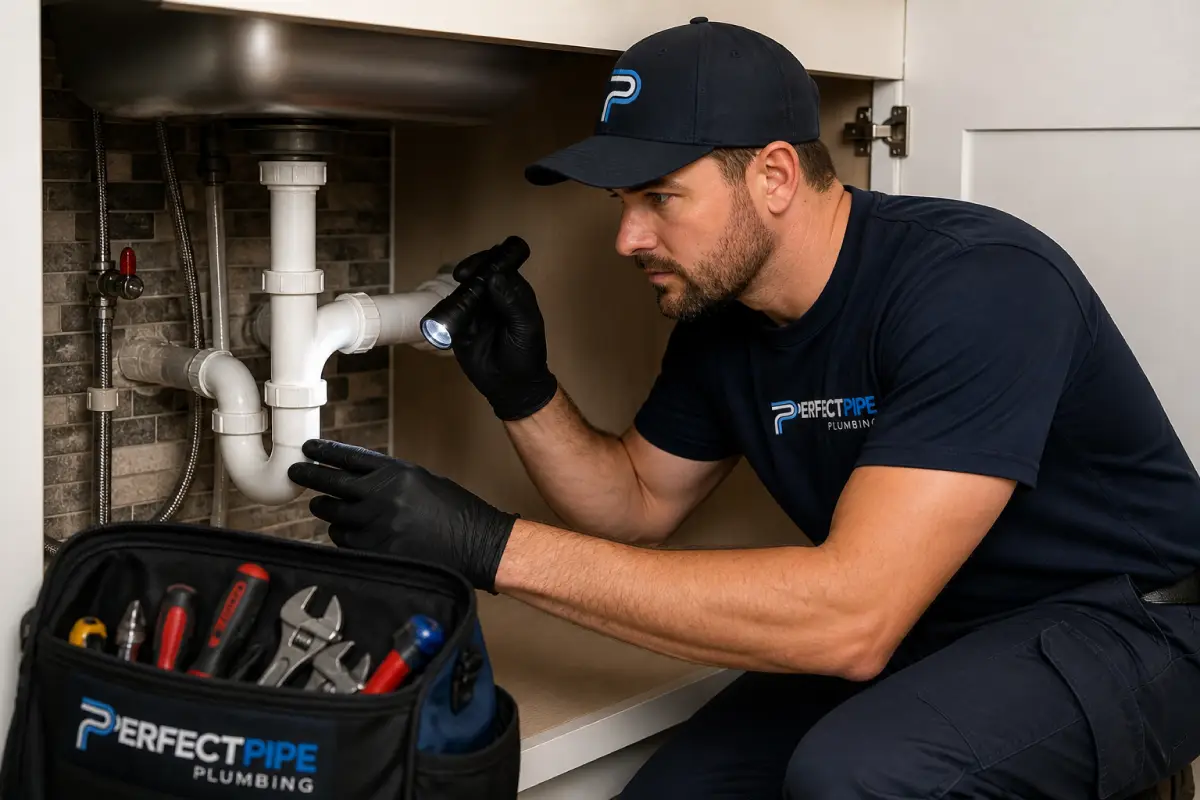
A professional inspection can help determine whether a targeted repair or a more comprehensive replacement approach makes the most financial sense.
Final Thoughts
The cost of replacing pipes depends on factors such as the amount of piping involved, the materials being used, accessibility, and labor requirements. While every project is different, understanding these variables can help homeowners make informed decisions when evaluating their options.
Addressing pipe problems early can help prevent larger issues, reduce the risk of water damage, and provide greater confidence in the reliability of your home’s plumbing system.