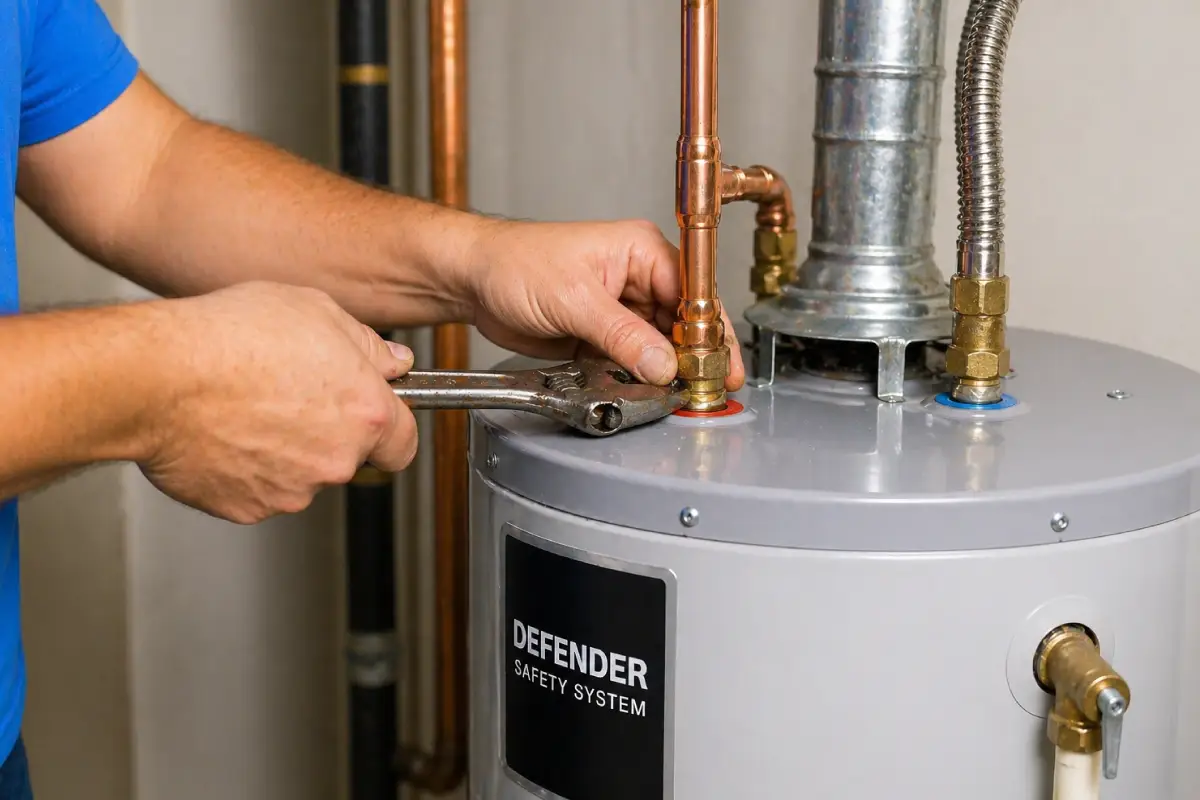
Replacing a water heater is one of the more significant plumbing expenses homeowners face. Costs can vary depending on the type of system, installation complexity, and the condition of your existing setup.
Understanding what goes into water heater replacement costs can help you make informed decisions and avoid unexpected expenses.
What is the average cost to replace a water heater?
The cost to replace a water heater can vary widely depending on several factors. In general, homeowners can expect to pay more for larger systems, upgraded models, or installations that require additional work.
Basic replacements are typically more affordable when the new unit is similar to the existing one and does not require major changes to the system. More complex installations, such as switching system types or upgrading to a tankless unit, can increase overall cost.
Factors that affect replacement cost
Several key factors can influence how much you will pay for a new water heater:
- The type of water heater (tank vs tankless)
- The size and capacity of the unit
- The installation complexity
- Any upgrades or code requirements
- The condition of existing plumbing connections
These variables can make a significant difference in the total cost of the project.
Tank vs tankless replacement cost
Traditional tank water heaters are typically less expensive to install, especially when replacing a similar unit.
Tankless systems often have a higher upfront cost due to installation requirements, but they may offer long-term efficiency benefits. Choosing between these options depends on your budget, home setup, and long-term goals.
Additional costs to consider
In some cases, additional work may be needed during installation. This can include updating connections, improving ventilation, or making adjustments to meet current building codes.
Older homes may require more updates, which can increase the overall cost of replacement. These upgrades help ensure the system is safe, efficient, and built to last.
Repair vs replacement
If your water heater is experiencing issues, it may be worth considering whether repair or replacement is the better option.
Older systems or units with repeated problems are often more cost-effective to replace rather than repair. A professional inspection can help determine the best course of action based on the condition of your system.
How to plan for replacement
Planning ahead can make the process smoother and help you avoid emergency replacement situations.
- Pay attention to warning signs like inconsistent hot water
- Consider the age of your current unit
- Set aside a budget for replacement
- Schedule an inspection if performance declines
Taking these steps can help you stay prepared and reduce the risk of sudden failure.
When to call a professional
Water heater replacement involves proper installation, safety considerations, and code requirements. Working with a professional ensures the system is installed correctly and performs reliably. If your water heater is aging or showing signs of failure, having it evaluated can help you plan your next steps.
Final Thoughts
The cost to replace a water heater depends on several factors, including the type of system and the complexity of installation. Understanding these factors can help you plan ahead, avoid surprises, and choose the best option for your home.