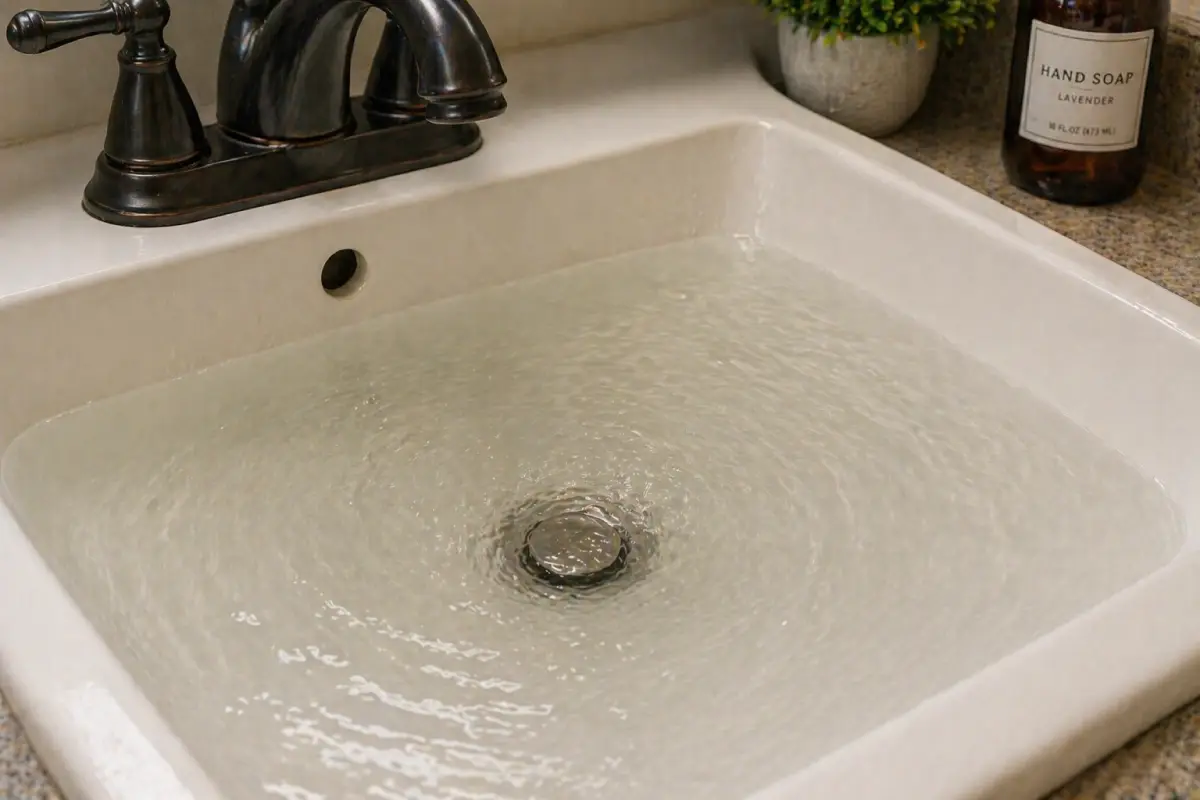
Slow drains throughout your home are often a sign of a larger plumbing issue rather than a simple clog. When multiple fixtures are affected, the problem is usually deeper in the system.
Identifying the cause early can help prevent more serious issues like backups, damage, or complete blockages.
1. Buildup inside your pipes
Over time, debris such as grease, soap, hair, and food particles can accumulate inside your pipes. This buildup gradually restricts water flow, causing drains to slow down.
While this often starts in individual drains, it can spread through connected pipes and affect multiple fixtures if left untreated.
2. Blockage in the main sewer line
When slow drainage affects the entire house, it is often due to a blockage in the main sewer line. This line carries wastewater away from your home, so any restriction can impact all connected drains.
This type of issue is more serious and typically requires professional attention.
Common causes of sewer line blockages
- Tree root intrusion
- Grease or debris buildup
- Foreign objects flushed into the system
- Aging or damaged pipes
3. Venting issues in your plumbing system
Plumbing systems rely on proper venting to allow air to flow through the pipes. If vents become blocked or damaged, it can create slow drainage and unusual sounds.
Without proper airflow, water cannot move efficiently through the system.
4. Partial clogs in multiple drains
In some cases, several drains may have smaller clogs at the same time. While each individual blockage may not be severe, together they can slow down the overall system.
This is more common in homes where maintenance has been delayed or buildup has occurred over time.
5. Aging or deteriorating pipes
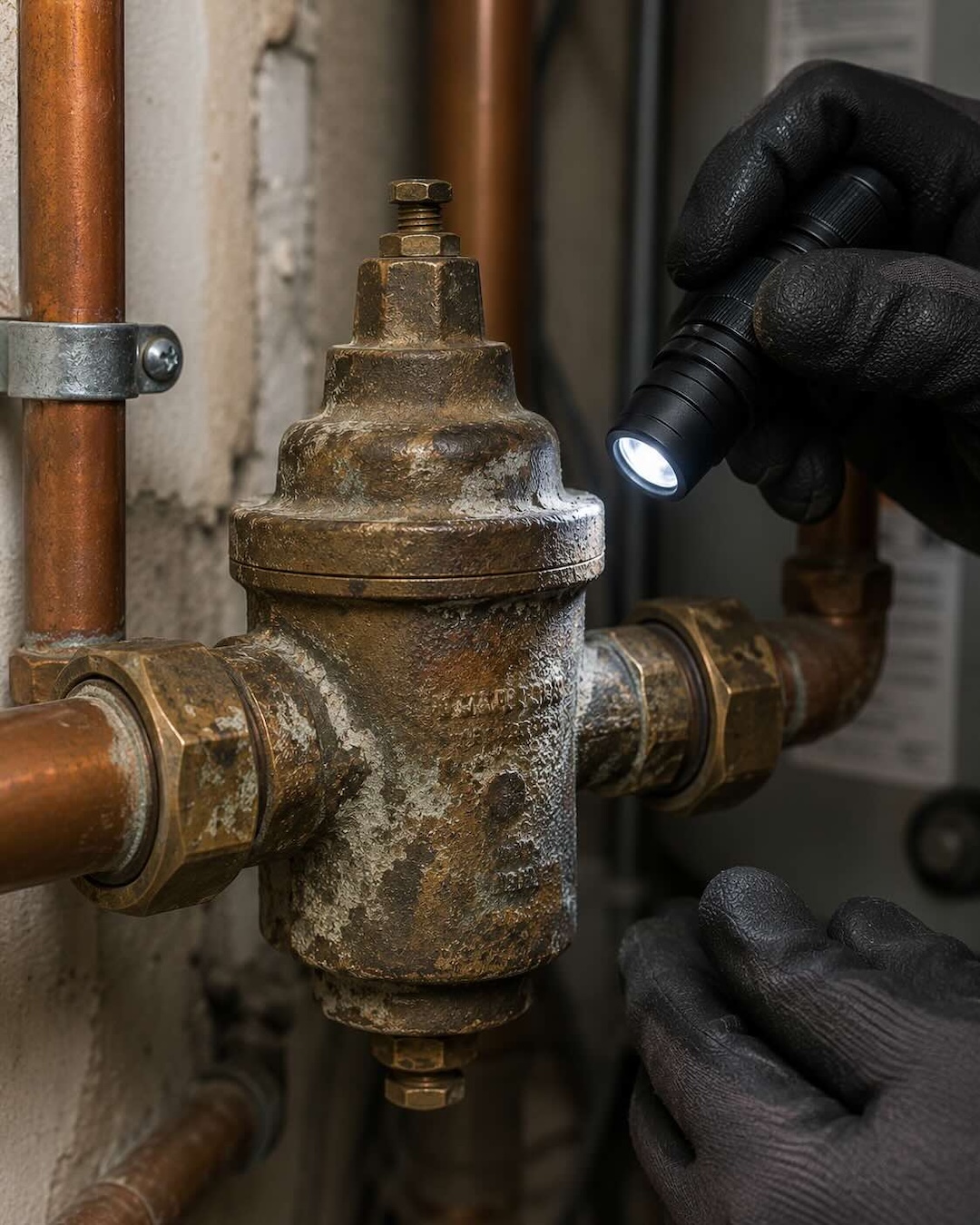
Older plumbing systems can develop issues such as corrosion, scaling, or reduced pipe diameter. These changes restrict water flow and can lead to widespread slow drainage.
Aging pipes are more prone to recurring issues and may eventually require repair or replacement.
How to tell if it is a bigger problem
Not all slow drains indicate a major issue, but certain signs suggest the problem may be deeper in your system.
Warning signs to watch for
- Multiple drains slowing down at the same time
- Gurgling sounds from drains or toilets
- Water backing up in lower fixtures
- Strong odors coming from drains
These signs often point to a main line issue rather than a simple clog.
When to call a professional
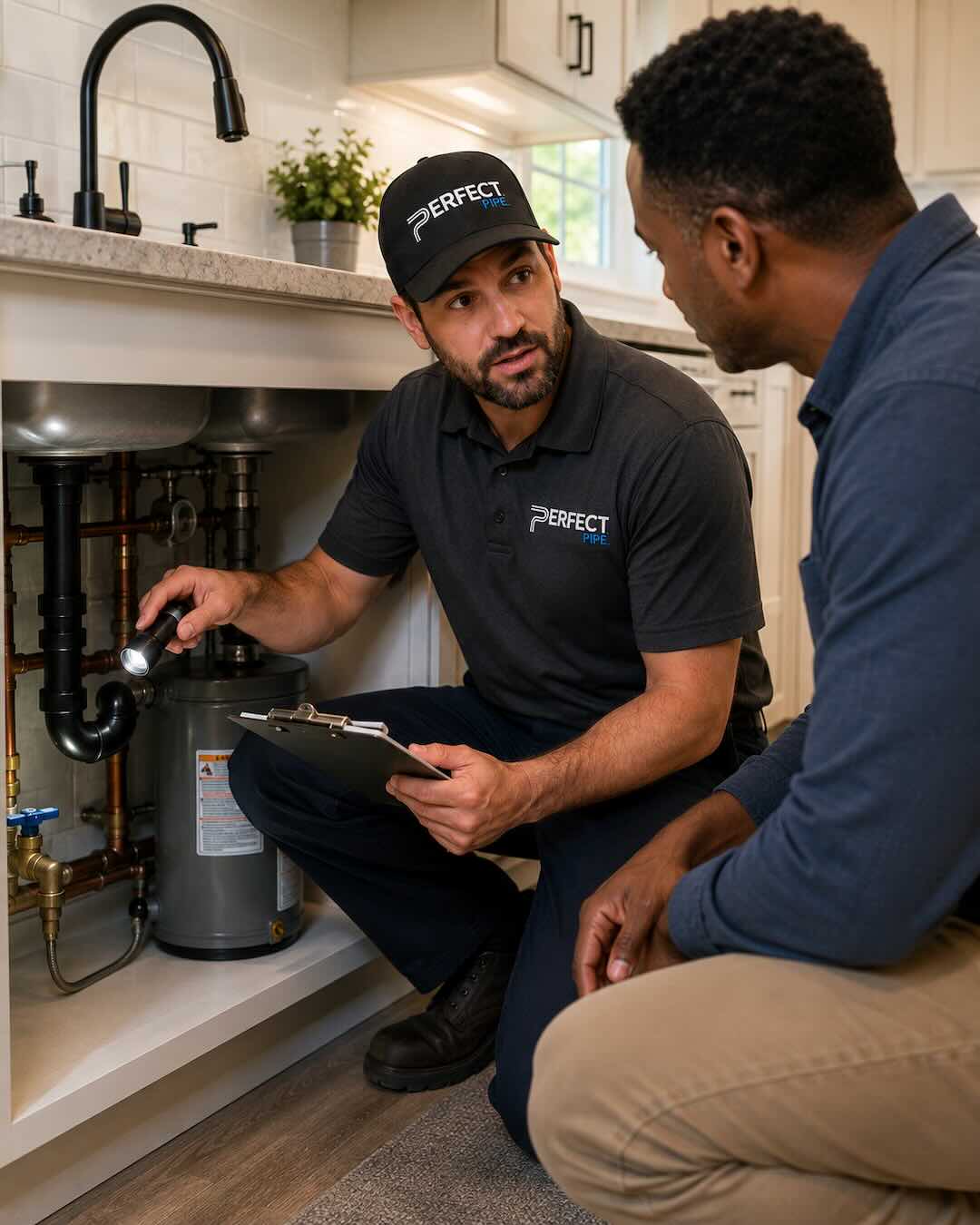
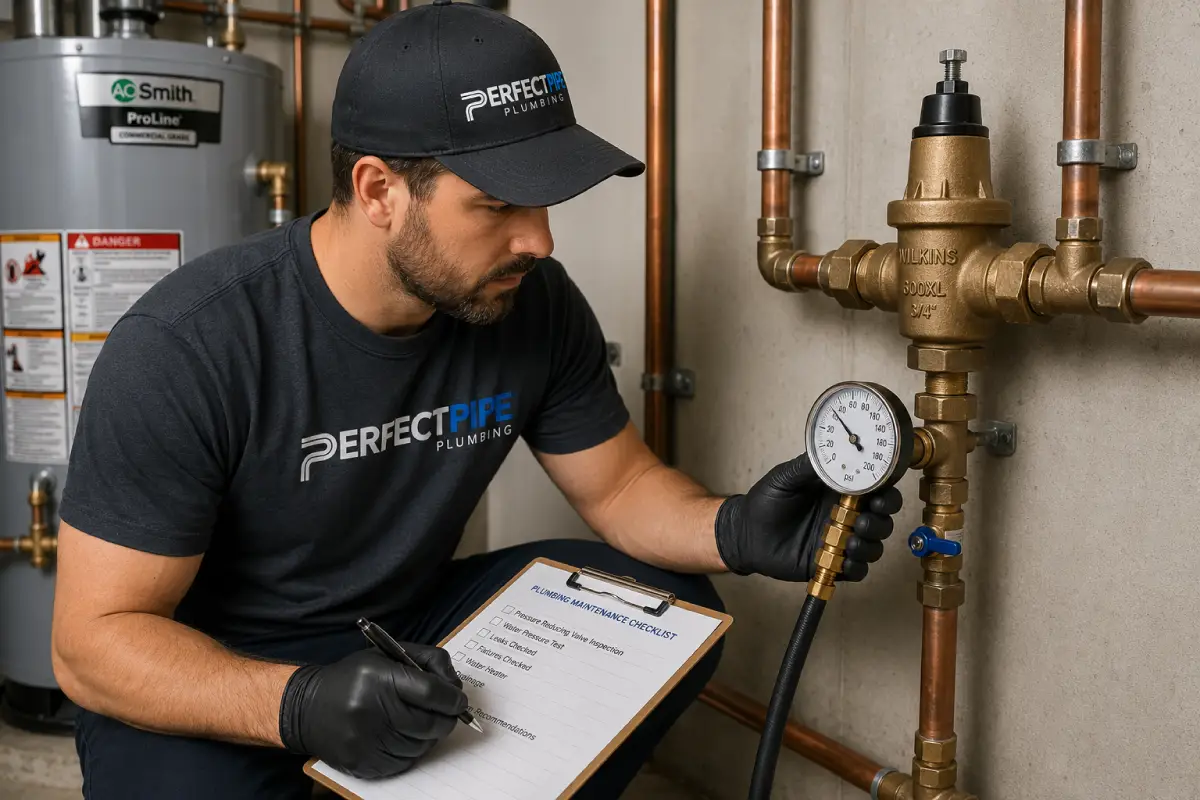
If you are experiencing slow drains throughout your home, it is important to have the system inspected. A professional can identify whether the issue is localized or affecting the main sewer line.
Addressing the problem early can help prevent backups and more serious damage.
Final Thoughts
Slow drains throughout your home are often a sign of a deeper plumbing issue. While minor clogs can happen, widespread slow drainage usually points to a problem in the main system.
Taking action early can help you avoid more serious issues and keep your plumbing system running smoothly.