A plumbing emergency is any issue that can quickly cause damage to your home, disrupt essential systems, or create a safety concern. While some plumbing problems can wait, others require immediate attention to prevent costly repairs.
Understanding the difference between a minor issue and a true emergency can help you respond appropriately and avoid unnecessary damage.
What qualifies as a plumbing emergency
A plumbing emergency typically involves situations where water is actively causing damage, essential systems are not functioning, or there is a risk to your health or safety.
These issues often worsen quickly, which is why fast action is important.
Common plumbing emergencies include
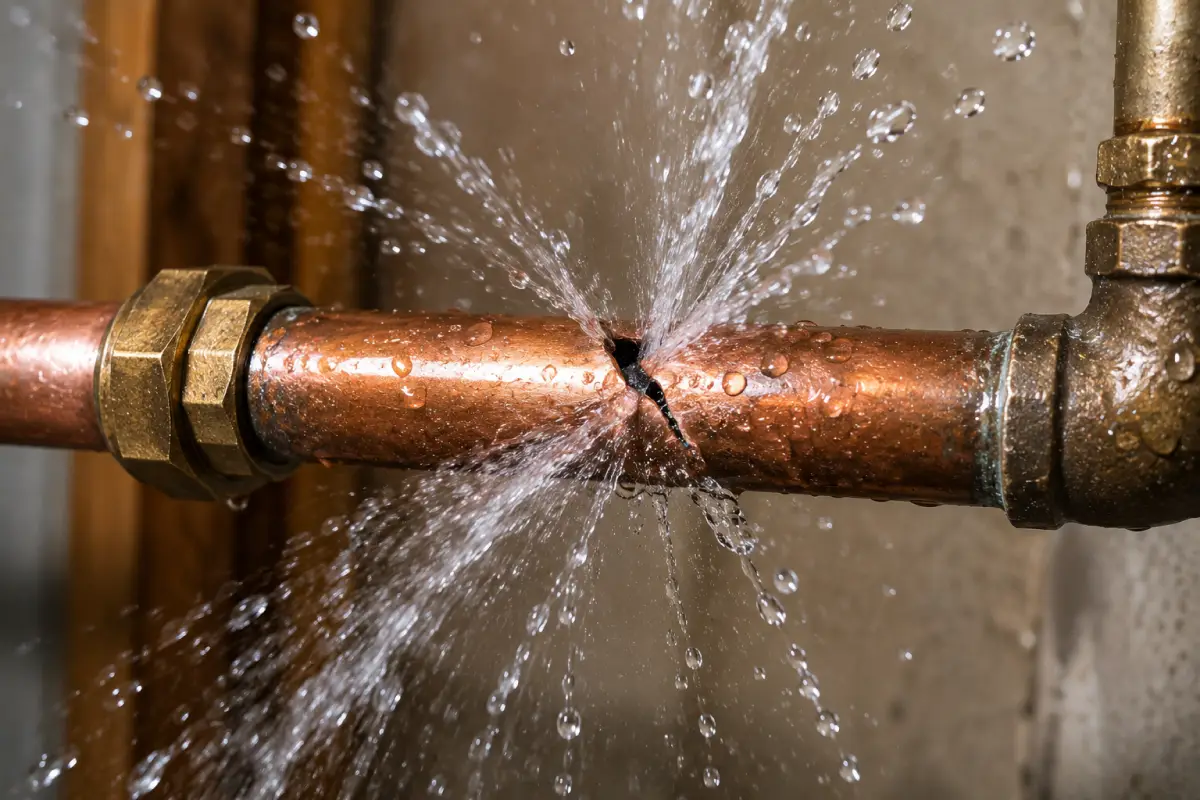
- Burst pipes or rapidly leaking pipes
- Sewage backups or strong sewer odors
- No running water in the home
- Overflowing toilets that cannot be stopped
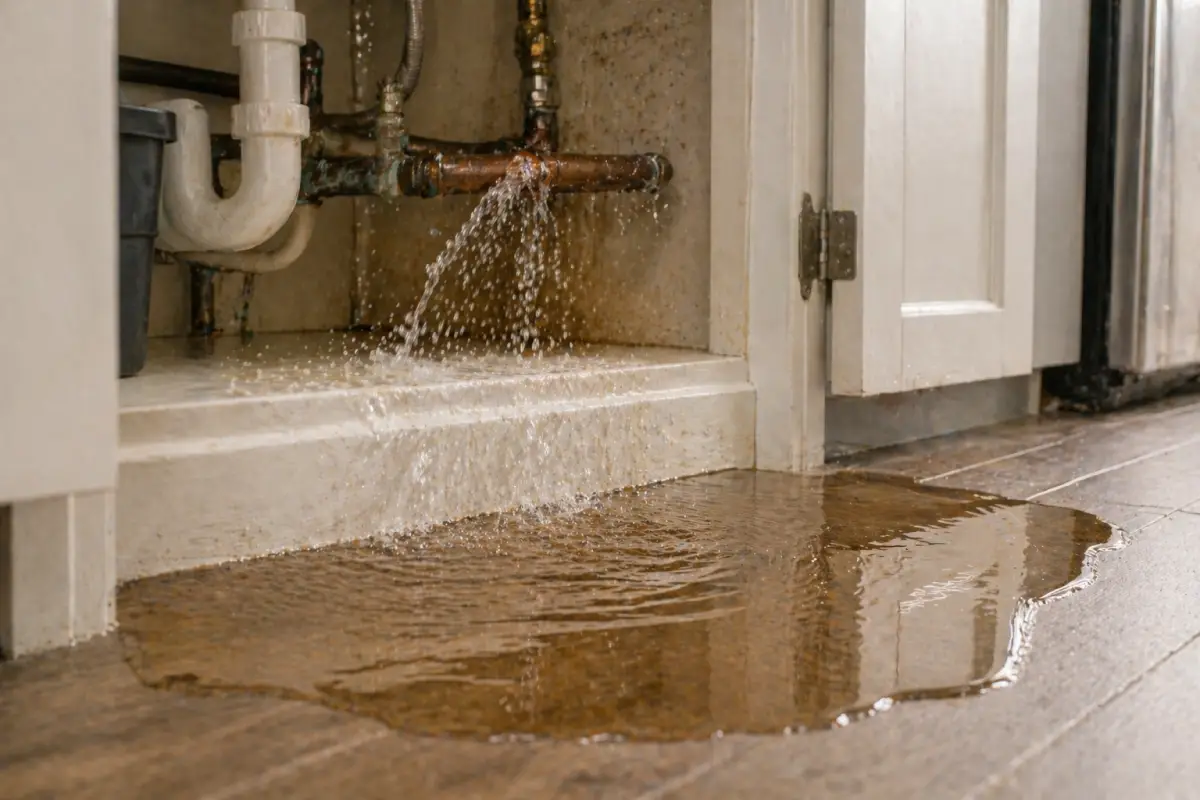
- Major water leaks causing visible damage
When a plumbing issue is not an emergency
Not all plumbing problems require immediate service. Issues like a slow drain, minor drip, or small fixture problem can often be addressed during a scheduled visit.
While these problems should not be ignored, they typically do not pose an immediate risk to your home.
Knowing the difference can help you avoid unnecessary stress and plan repairs more effectively.
Why acting quickly matters
Plumbing emergencies can escalate quickly, especially when water is involved. A burst pipe or major leak can cause significant damage in a short amount of time.
The longer the issue goes unaddressed, the more likely it is to result in structural damage, mold growth, or higher repair costs.
Acting quickly can help limit damage and reduce overall impact.
What to do during a plumbing emergency
Taking the right steps immediately can help minimize damage while you wait for professional help.
Steps to take right away
- Shut off the main water supply if possible
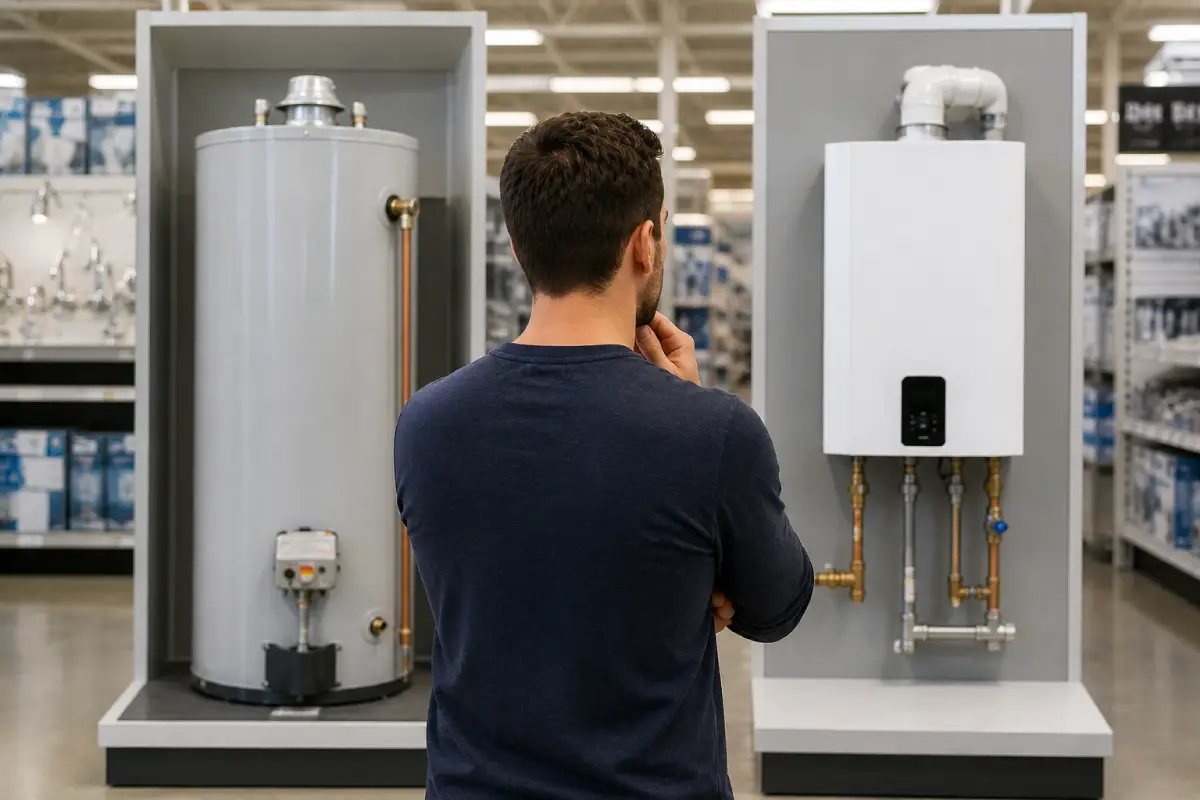
- Turn off the water heater to prevent damage
- Contain or redirect water using towels or buckets
- Avoid using affected fixtures
These actions can help control the situation and protect your home until repairs can be made.
Signs you should call immediately
Some situations require immediate attention even if the problem is not fully understood. If you notice sudden flooding, strong odors, or a complete loss of water, it is best to seek help right away.
Waiting too long in these cases can lead to more serious damage and higher repair costs.
How to reduce the risk of emergencies
While not all emergencies can be prevented, regular maintenance and early detection can significantly reduce your risk. Monitoring your plumbing system and addressing small issues early can help prevent larger failures.
Knowing where your shutoff valve is and scheduling routine inspections are simple steps that can make a big difference.
Final Thoughts
A plumbing emergency involves situations that can quickly damage your home or disrupt essential systems. Understanding what qualifies as an emergency can help you act quickly and protect your property.
When in doubt, it is always better to take action early rather than risk more serious damage.