When a plumbing emergency happens, every minute matters. Taking a few simple steps before calling an emergency plumber can help reduce water damage, improve safety, and allow repairs to begin more quickly once your plumber arrives.
Whether you’re dealing with a burst pipe, overflowing toilet, major leak, or failed water heater, this guide explains exactly what to do before making the call.
1. Stay Calm and Assess the Situation
Plumbing emergencies are stressful, but taking a moment to identify the source of the problem can help you respond more effectively. Not every plumbing issue requires the same immediate action.
Determine where the water is coming from, whether the leak is still active, and if there are any immediate safety concerns such as electrical hazards or structural damage.
If you suspect a gas leak instead of a plumbing leak, leave the home immediately and contact your gas utility or emergency services before calling a plumber.
2. Shut Off the Water Supply
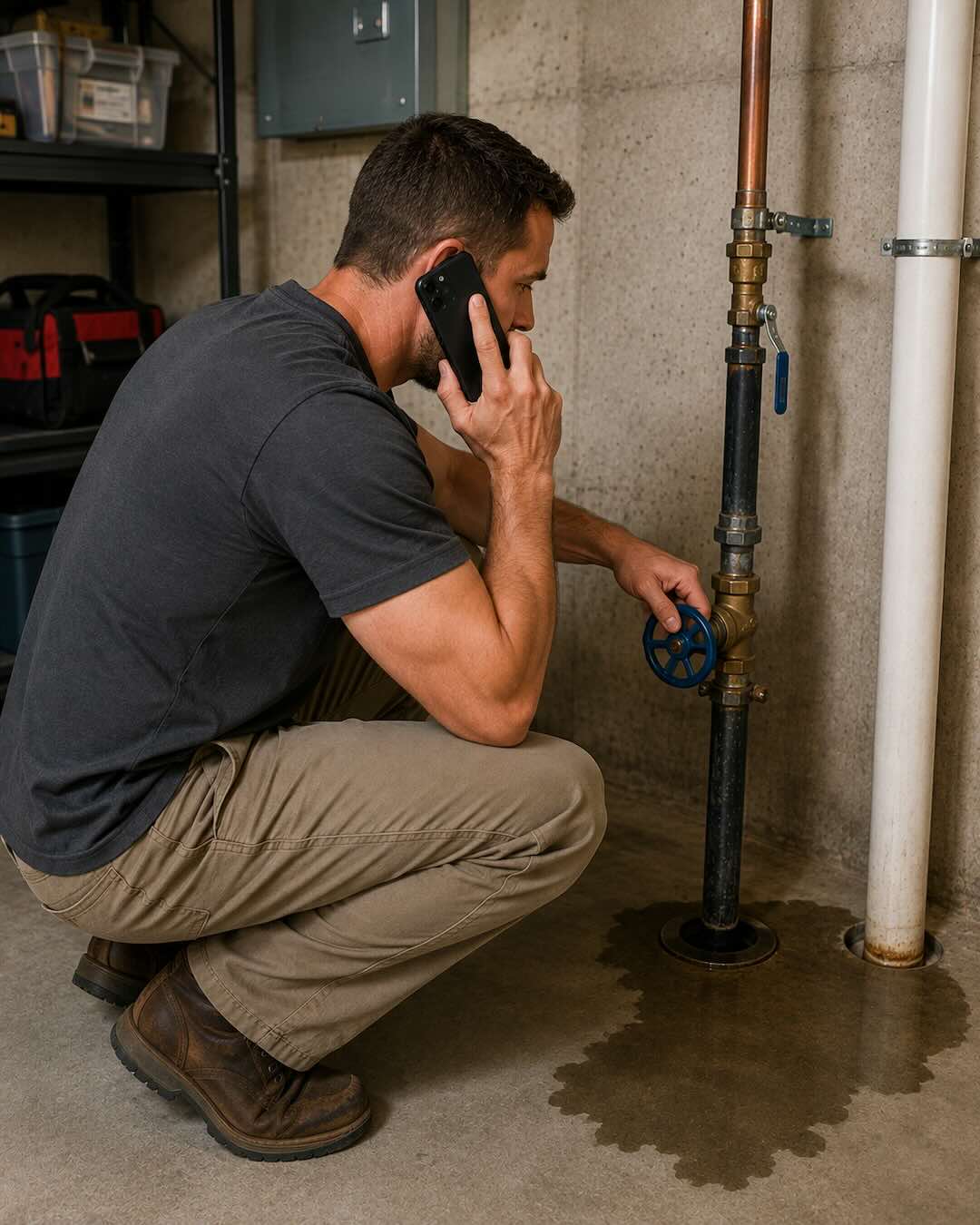
If water is actively leaking, shutting off the water supply is usually the most important first step. Stopping the flow of water can significantly reduce damage to flooring, drywall, cabinets, and personal belongings.
If the leak is coming from a specific fixture, such as a toilet or sink, use the nearby shutoff valve if it’s accessible. If you can’t stop the leak locally, turn off your home’s main water supply.
Every homeowner should know where the main water shutoff valve is located before an emergency occurs.
3. Turn Off Electricity If Necessary
Water and electricity are a dangerous combination. If water is approaching electrical outlets, appliances, or your home’s electrical panel, avoid entering the affected area until it’s safe.
If you can safely access your electrical panel without walking through standing water, turn off power to the affected area. Otherwise, wait for emergency personnel or your utility company.
Never step into standing water if electrical hazards may be present.
4. Limit Additional Water Damage
After stopping the water supply, take simple steps to minimize further damage while waiting for your plumber to arrive.
- Move furniture away from standing water.
- Protect electronics and valuables.
- Use towels or buckets to contain leaking water.
- Open cabinets if plumbing is leaking underneath.
- Begin removing standing water if it’s safe to do so.
Quick action can significantly reduce cleanup costs after the plumbing repair is complete.
5. Gather Important Information
Before calling an emergency plumber, gather a few details about the problem. Providing accurate information allows the plumber to better prepare for the service call and bring the appropriate tools and materials.
- Where the leak is located.
- When the problem started.
- Whether water has been shut off.
- Any unusual noises, odors, or visible damage.
- Photos of the affected area, if it’s safe to take them.
The more information you can provide, the more efficiently your plumber can respond.
6. Keep Children and Pets Away from the Area
Plumbing emergencies can create unsafe conditions inside the home. Wet floors become slippery, damaged fixtures may have sharp edges, and standing water can pose electrical hazards.
Keep children and pets away from the affected area until the emergency has been resolved and the space is safe again.
7. Avoid DIY Repairs
It may be tempting to try a quick repair, but emergency plumbing situations often require professional tools and experience. Temporary fixes can sometimes make the problem worse or increase repair costs.
Avoid using chemical drain cleaners, pipe sealants, or makeshift repairs unless specifically recommended for the situation.
Your primary goal should be stopping additional damage, not completing the repair yourself.
8. Know What to Tell the Emergency Plumber
When you call, be prepared to clearly explain what has happened. This allows the plumbing company to prioritize your emergency and dispatch a technician with the right equipment.
| Information to Share | Why It Helps |
|---|---|
| Type of plumbing emergency | Helps determine the urgency and equipment needed. |
| Location of the problem | Allows the plumber to prepare for the repair. |
| Whether the water has been shut off | Provides an update on the current situation. |
| Extent of any water damage | Helps assess the severity of the emergency. |
| Photos, if available | Can assist with diagnosis before arrival. |
Providing clear information helps your plumber respond more efficiently and arrive better prepared.
What Counts as a Plumbing Emergency?
Not every plumbing problem requires immediate service, but certain situations should be addressed as quickly as possible to protect your home and prevent additional damage.
- Burst or frozen pipes.
- Major water leaks.
- Overflowing toilets that won’t stop.
- Sewer backups.
- No water throughout the home.
- Water heater leaks causing flooding.
If you’re unsure whether your situation is an emergency, it’s always best to contact a licensed plumber and explain what’s happening.
Frequently Asked Questions About Plumbing Emergencies
Should I shut off the water before calling an emergency plumber?
Yes. If water is actively leaking, shutting off the water supply is one of the most important steps you can take to reduce damage before help arrives.
Should I clean up the water before the plumber gets here?
If it’s safe to do so, removing standing water and protecting your belongings can help reduce damage. However, don’t put yourself at risk if electricity or structural hazards are present.
Can I wait until morning to call a plumber?
That depends on the situation. Active leaks, burst pipes, sewer backups, and significant flooding should generally be addressed immediately to prevent additional property damage.
What if I can’t find my main water shutoff valve?
If you’re unable to locate the shutoff valve during an emergency, tell the plumber when you call. After the emergency has been resolved, ask them to show you where it’s located so you’ll be prepared in the future.
Final Thoughts
Knowing what to do before calling an emergency plumber can help minimize damage and make the repair process much smoother. Shutting off the water, protecting your home, gathering important information, and avoiding unsafe DIY repairs are simple steps that can make a significant difference.
When a plumbing emergency happens, acting quickly while staying calm is the best way to protect both your home and your family.
At Perfect Pipe Plumbing, we provide fast, professional 24/7 emergency plumbing services for burst pipes, major leaks, sewer backups, overflowing fixtures, and other urgent plumbing problems.