Reducing water usage is not just about lowering your utility bill. It also helps reduce strain on your plumbing system and can extend the life of your fixtures and appliances.
Many homeowners use more water than they realize. By making a few targeted changes, you can improve efficiency without sacrificing comfort or convenience.
1. Fix leaks as soon as they appear
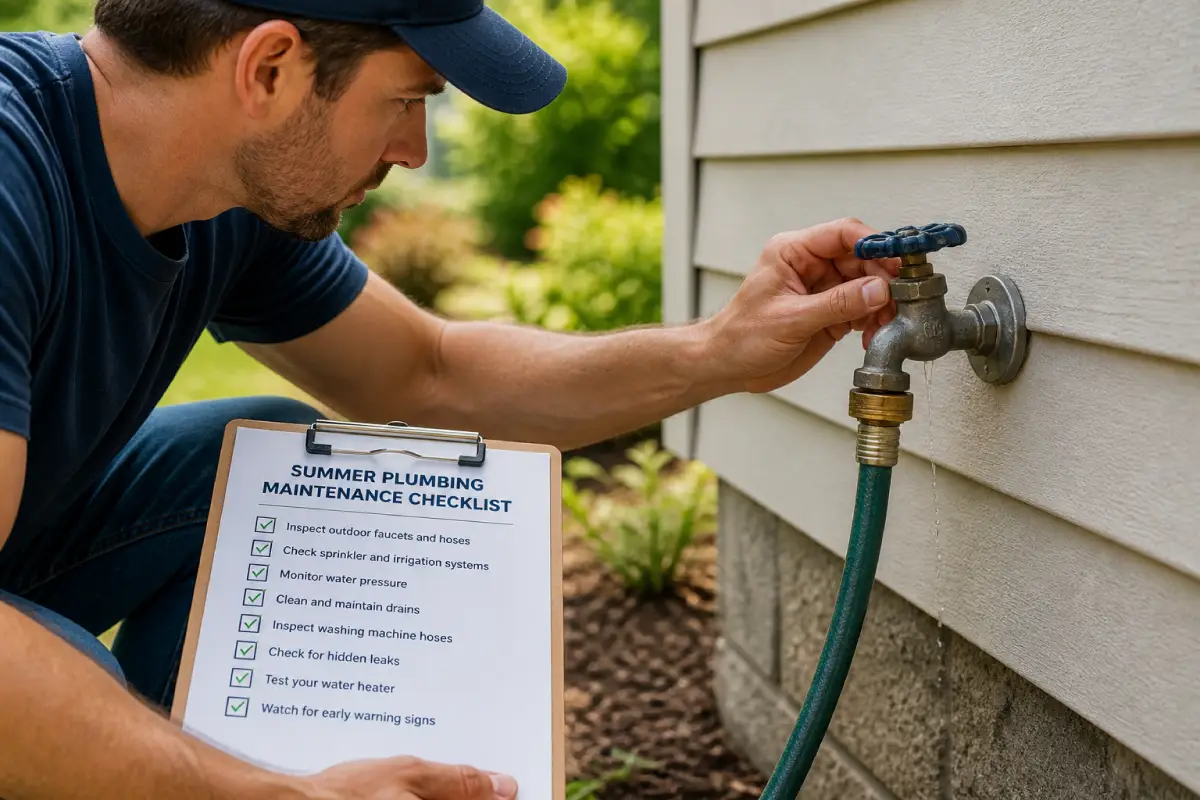
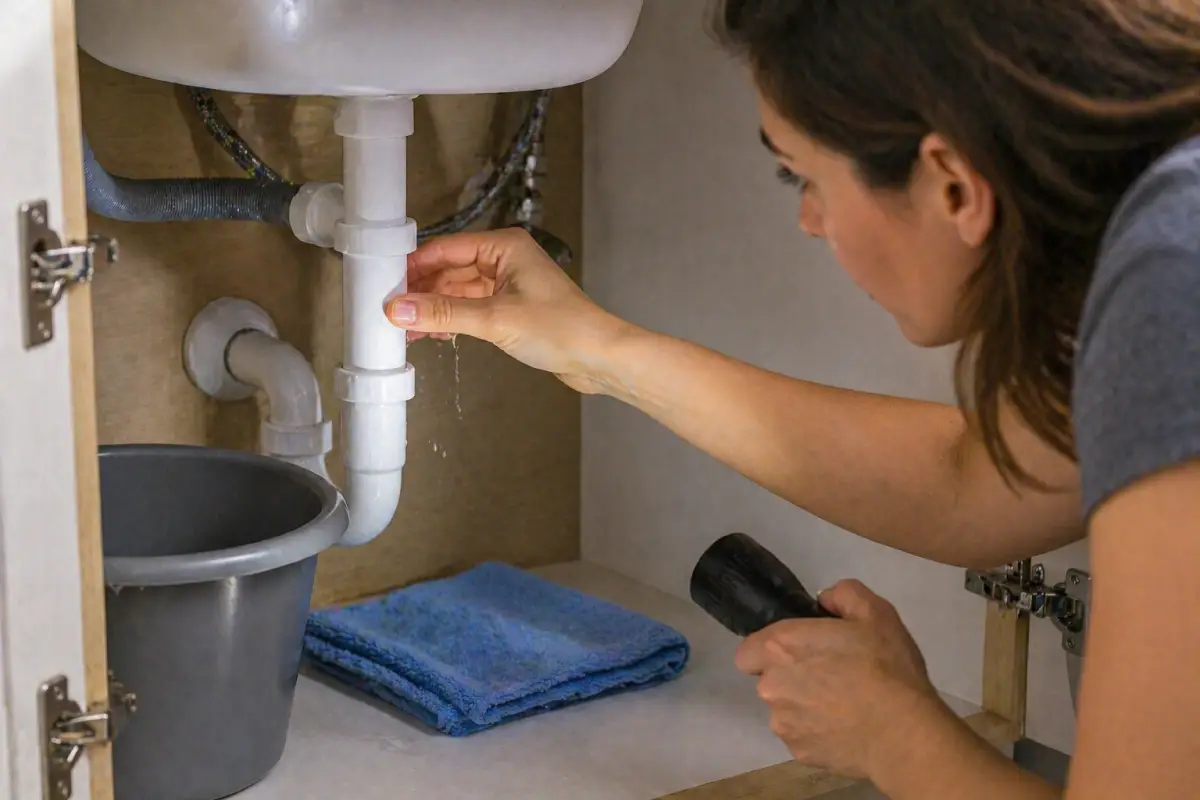
Even a small leak can waste a surprising amount of water over time. Dripping faucets, running toilets, and hidden pipe leaks can all contribute to unnecessary water usage.
Addressing leaks early not only saves water but also helps prevent damage and reduces the risk of more expensive repairs.
2. Upgrade to water-efficient fixtures
Modern fixtures are designed to use less water while maintaining strong performance. Low-flow faucets, showerheads, and toilets can significantly reduce water usage without affecting daily routines.
Replacing older fixtures with efficient models is one of the most effective long-term strategies for conserving water.
Common water-saving upgrades
- Low-flow showerheads
- High-efficiency toilets
- Water-saving faucet aerators
- Energy-efficient water heaters
3. Be mindful of daily water habits
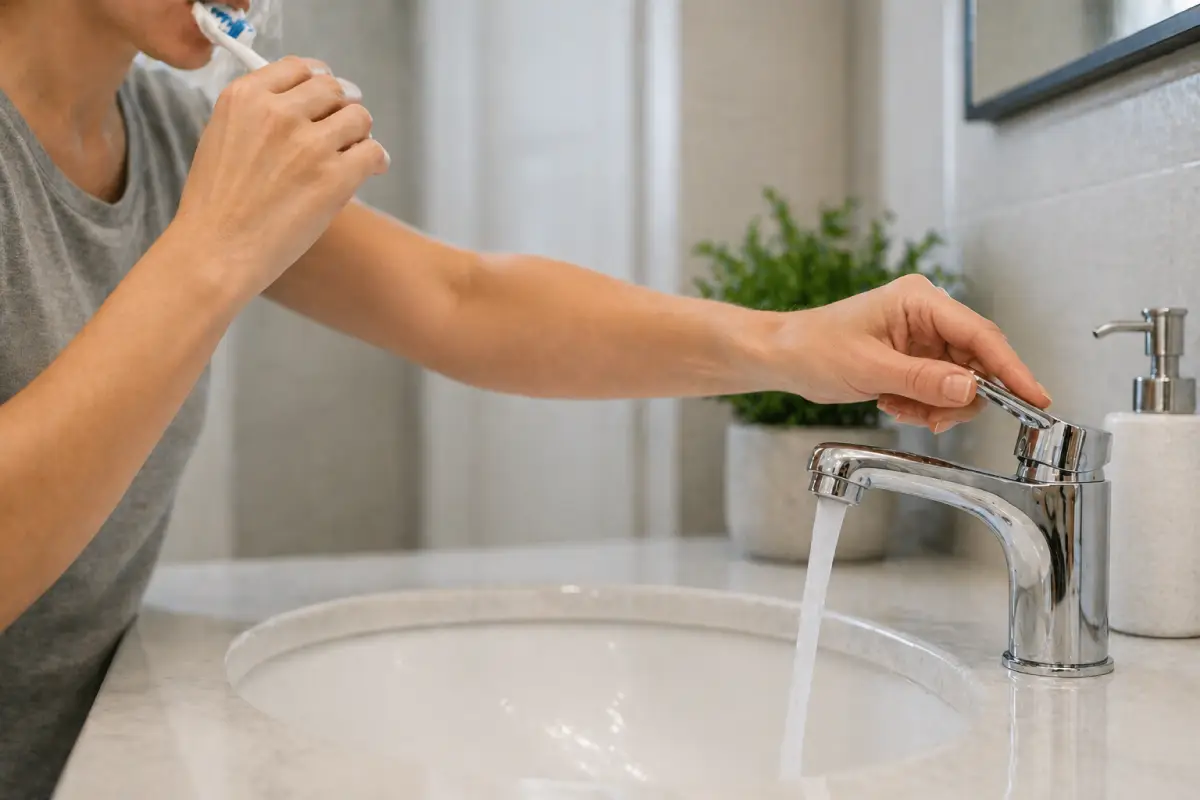
Small changes in daily routines can make a noticeable difference in water usage. Running water unnecessarily or using more than needed adds up quickly over time.
Simple habits like turning off the tap while brushing your teeth or limiting shower time can help reduce overall consumption without much effort.
4. Use appliances efficiently
Dishwashers and washing machines use a significant amount of water, especially when run frequently. Using these appliances only with full loads can help maximize efficiency.
Many newer appliances are designed to use less water, making upgrades a worthwhile investment over time.
5. Monitor your water usage
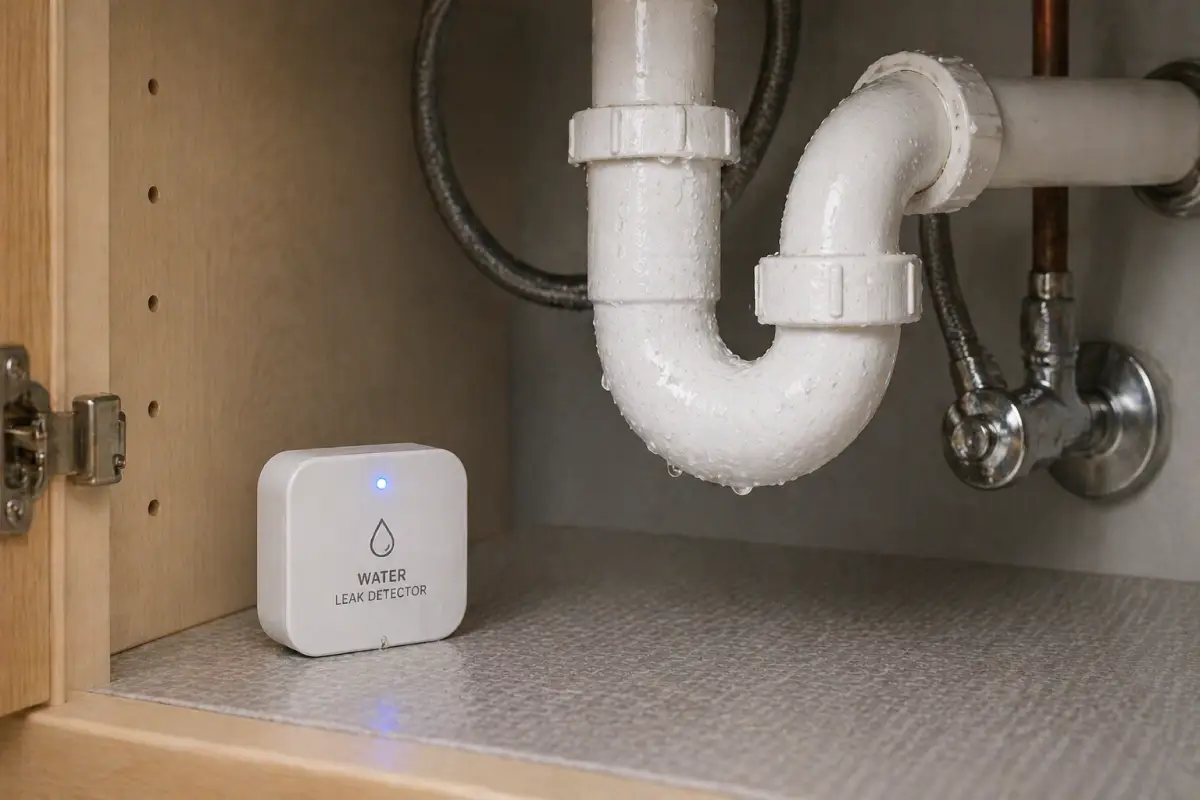
Keeping track of your water usage can help you identify patterns and spot potential issues early. Unexpected increases in usage may indicate a hidden leak or inefficiency in your system.
Monitoring your usage regularly allows you to take action before small issues become larger problems.
6. Reduce hot water waste
Hot water use often accounts for a large portion of household water consumption. Reducing hot water usage can lower both water and energy costs.
Adjusting your water heater settings and being mindful of how hot water is used throughout your home can improve efficiency.
Why reducing water usage matters
Conserving water helps protect your plumbing system, reduces utility costs, and supports long-term sustainability. Efficient water use also places less strain on pipes and appliances, helping them last longer.
These benefits make water conservation a practical and worthwhile goal for any homeowner.
When to call a professional
If you notice ongoing leaks, inefficient fixtures, or unexplained increases in water usage, it may be time for a professional inspection. Identifying the cause early can help improve efficiency and prevent larger issues.
Final Thoughts
Reducing water usage in your home starts with simple, consistent changes. From fixing leaks to upgrading fixtures and adjusting daily habits, these steps can lead to long-term savings and improved system performance.
Taking a proactive approach to water efficiency benefits both your home and your budget.