Low water pressure can be caused by a range of plumbing issues, from simple blockages to more serious system problems. The cost to fix it depends on what is causing the pressure drop and how complex the repair is.
Identifying the root cause is the most important step, since some fixes are quick and inexpensive while others require more extensive work.
What affects the cost of fixing low water pressure
The price of repairing low water pressure varies based on the location, severity, and cause of the issue. Some problems can be resolved quickly, while others may involve deeper system repairs.
Key factors that impact cost
- Cause of the pressure issue
- Location of the problem (fixture vs main line)
- Age and condition of the plumbing system
- Labor required to diagnose and repair
- Whether multiple fixtures are affected
Common causes and their typical cost impact
Different causes of low water pressure can vary significantly in cost depending on how easy they are to fix.
Minor issues (lower cost)
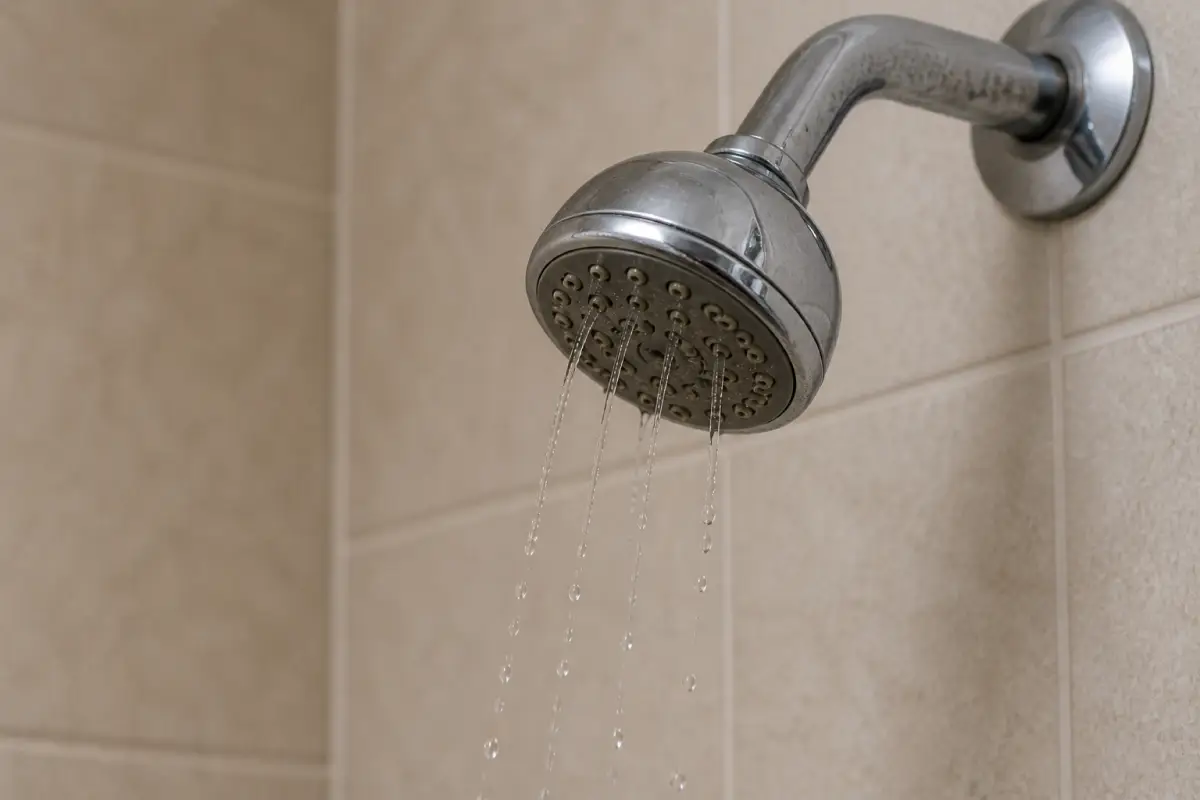
- Clogged aerators or showerheads
- Partially closed valves
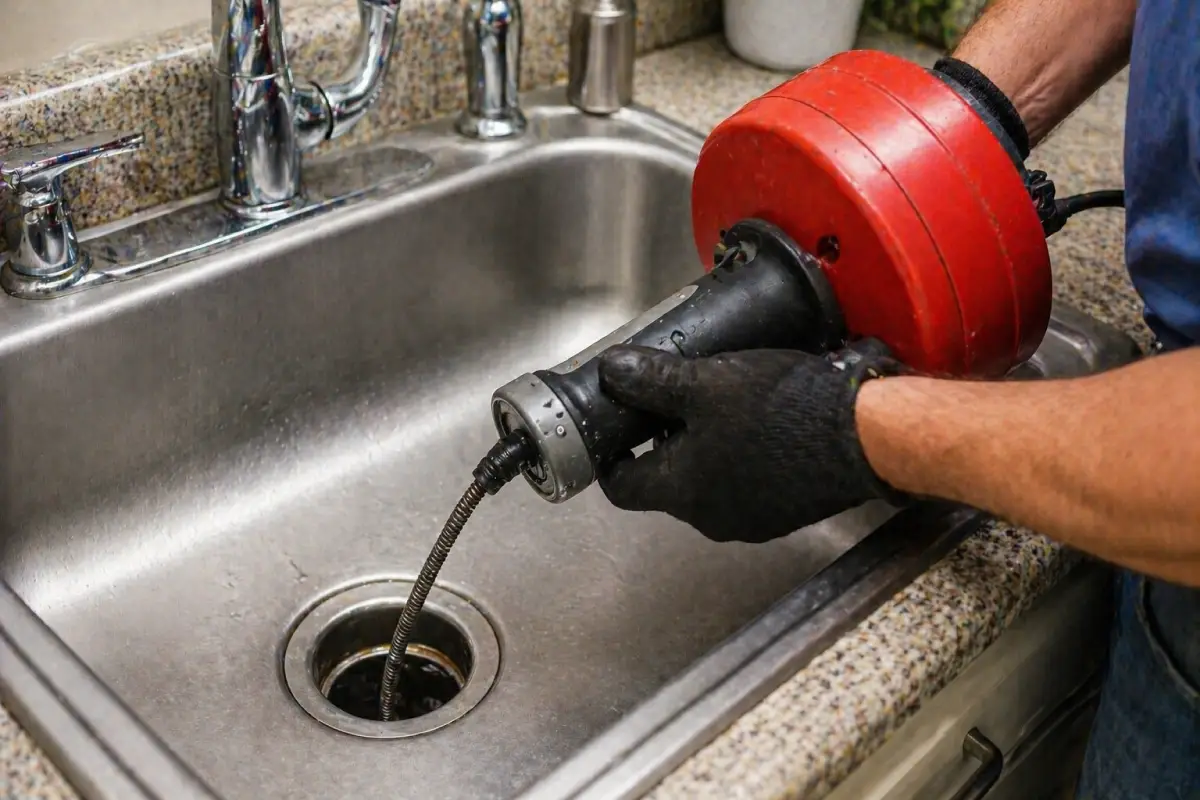
- Small localized buildup in pipes
These types of issues are usually quick to resolve and typically fall on the lower end of the cost range.
Moderate issues (mid-range cost)
- Pipe buildup reducing flow
- Pressure regulator problems
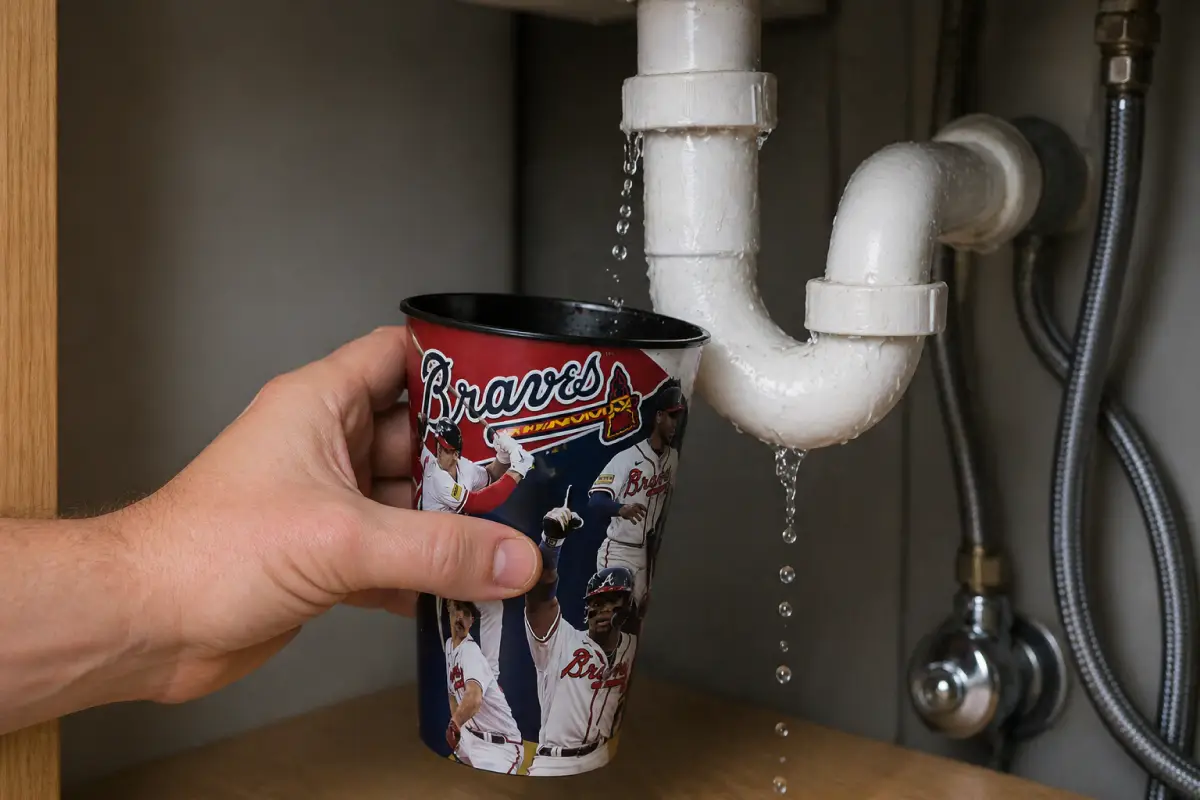
- Leaks affecting water pressure
These repairs may require more time or replacement parts, increasing the overall cost.
Major issues (higher cost)
- Main water line problems
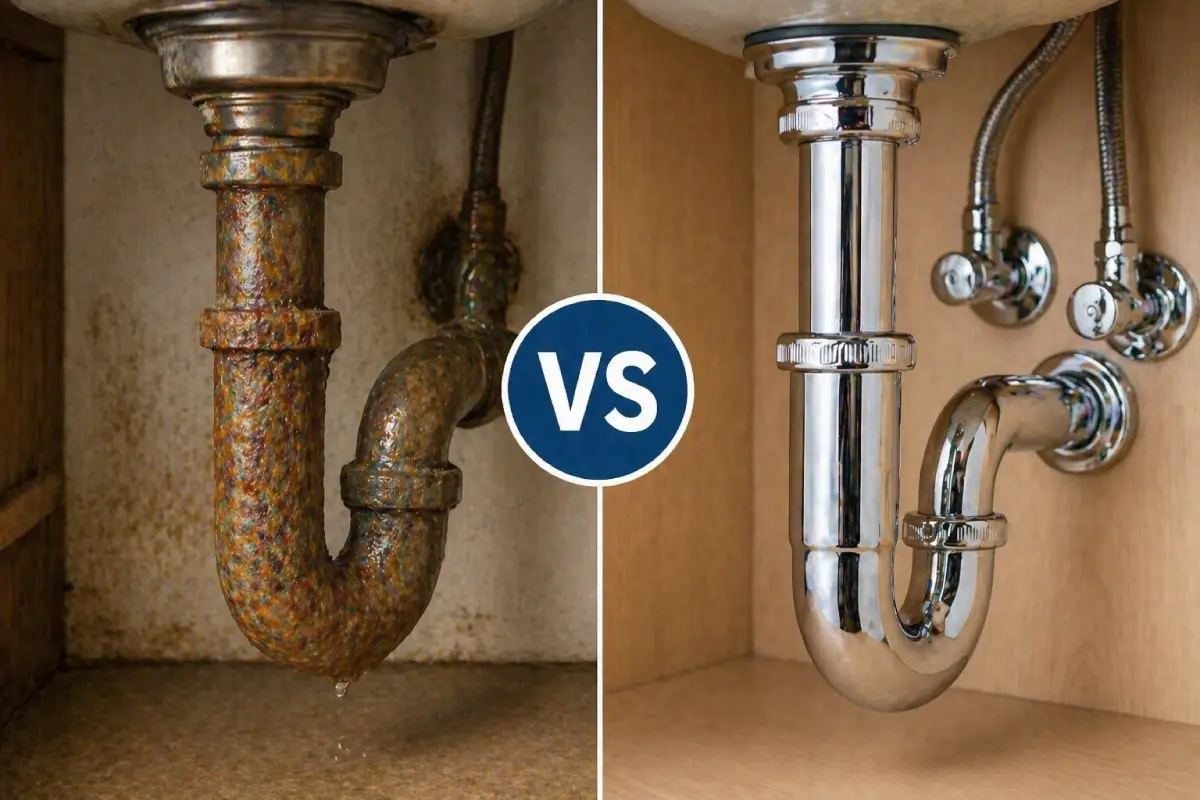
- Severely corroded or aging pipes
- Hidden leaks within walls or underground
These issues are more complex and typically require extensive work, which increases the cost significantly.
When low water pressure becomes more expensive to fix
Costs tend to increase when the issue is not addressed early. What starts as a minor restriction can turn into a larger problem affecting multiple areas of your home.
Delayed repairs can also lead to additional damage, making the fix more complex and expensive.
Situations that increase cost
- Multiple fixtures losing pressure at the same time
- Recurring pressure problems
- Hidden leaks causing ongoing damage
- Older plumbing systems with widespread wear
Repair vs replacement for pressure issues
In some cases, repairing a single issue may not fully resolve low water pressure if the system is aging or deteriorating. Replacing sections of pipe or upgrading components may provide a more reliable long-term solution.
Comparing short-term repair costs with long-term reliability can help determine the best option.
How to keep repair costs low
Taking a proactive approach can help prevent more expensive repairs. Addressing small issues early and maintaining your plumbing system can reduce the likelihood of major problems.
Simple ways to reduce costs
- Clean aerators and fixtures regularly
- Check for leaks and fix them early
- Monitor changes in water pressure
- Schedule inspections if issues persist
When to call a professional
If low water pressure affects multiple fixtures or continues after basic troubleshooting, it is best to have the system inspected. A professional can identify the root cause and recommend the most effective solution.
Early diagnosis can help prevent further damage and reduce repair costs.
Final Thoughts
The cost to fix low water pressure depends on the cause and severity of the issue. While some fixes are simple, others may require more extensive repairs.
Addressing the problem early is the best way to keep costs manageable and restore proper water flow in your home.