Plumbing repair costs can vary significantly depending on the type of problem, where it is located, and how complex the repair is. While some issues can be resolved quickly, others require more time, specialized tools, and deeper access to your plumbing system.
Understanding what drives these costs can help you set realistic expectations and make better decisions when a plumbing issue arises.
The type of plumbing problem
The specific issue you are dealing with plays one of the biggest roles in determining cost. Minor problems, such as small leaks or simple clogs, are typically less expensive to fix than more complex issues like damaged pipes or major blockages.
Problems that involve structural components or multiple parts of the plumbing system tend to require more time and effort, which increases the overall cost.
Severity of the issue
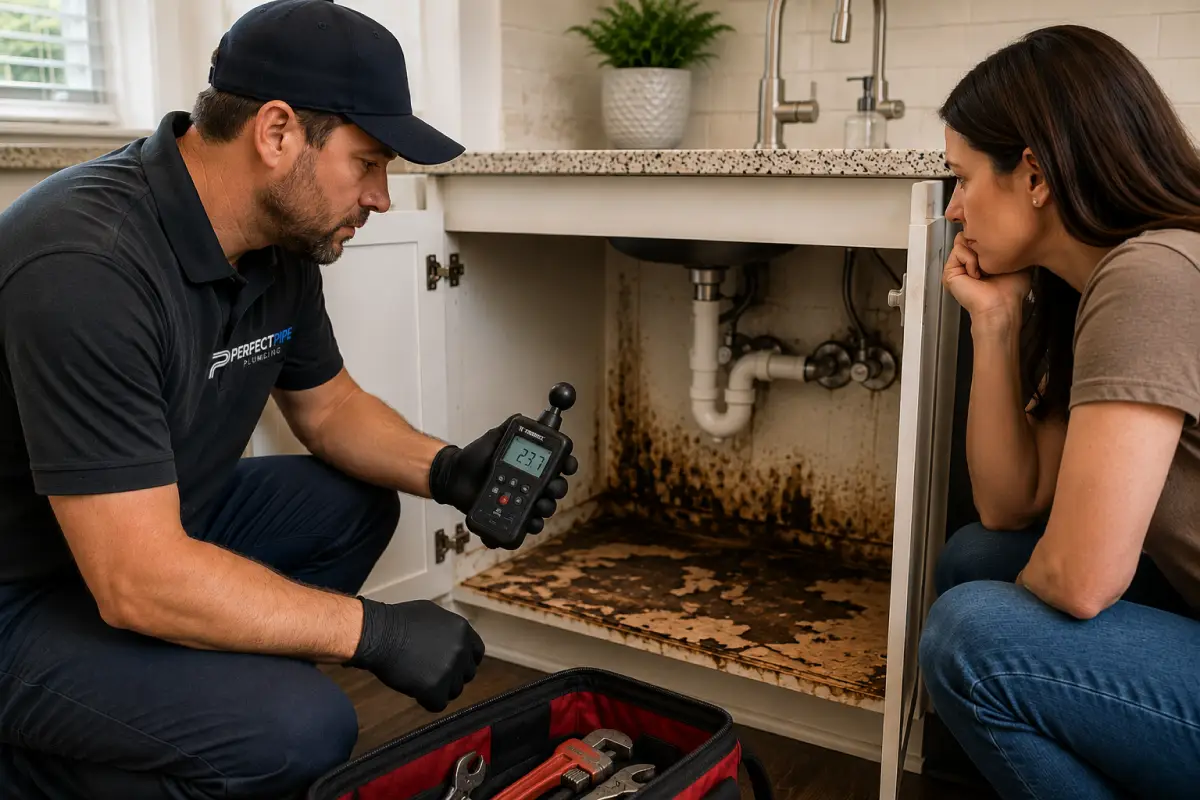
The extent of the damage or blockage directly impacts how involved the repair will be. A small, early-stage issue is often quicker and easier to fix, while a problem that has been left untreated may require more extensive work.
For example, a slow drain caused by minor buildup is very different from a fully blocked or backed-up line. Addressing issues early can help reduce repair costs significantly.
Location of the problem
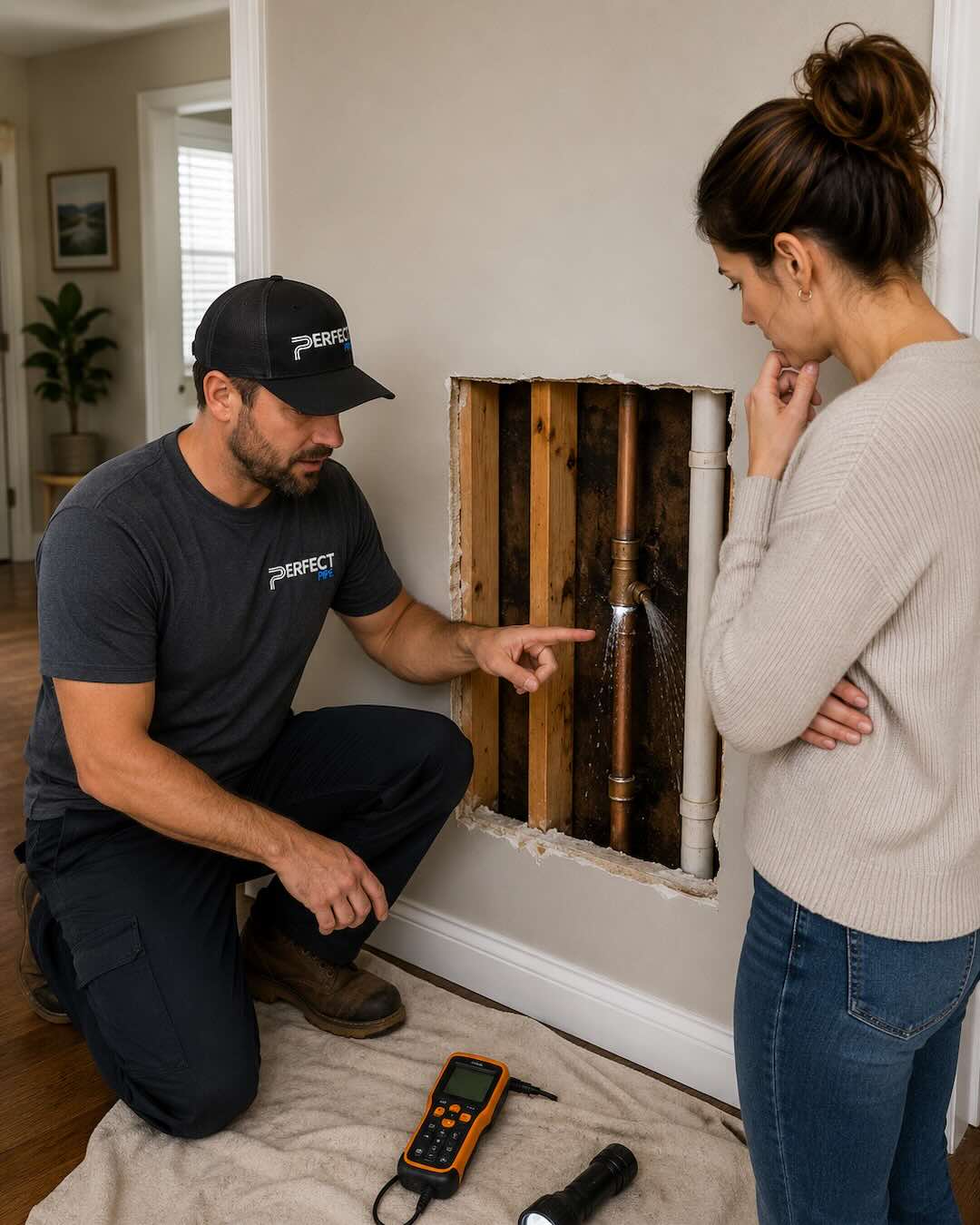
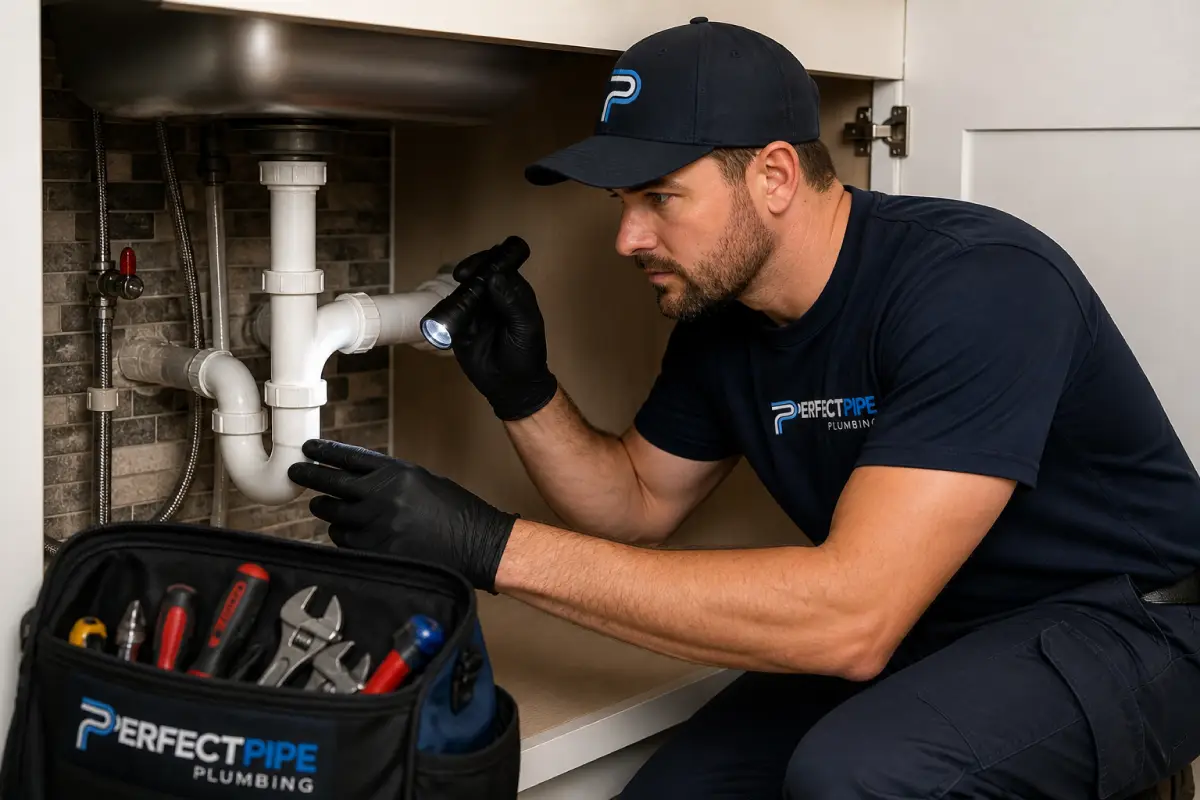
Where the issue is located within your home can greatly affect the cost of repair. Problems that are easy to access, such as under a sink, are generally less expensive to fix than those hidden behind walls, under floors, or beneath the foundation.
Repairs that require opening walls, digging, or accessing hard-to-reach areas typically involve more labor and time.
Labor and time required
Labor is a major component of plumbing repair costs. The more time it takes to diagnose and fix the issue, the higher the cost will be. Straightforward repairs can often be completed quickly, while complex issues may take several hours or multiple visits.
Skilled labor and experience also play a role, as more complicated repairs require a higher level of expertise.
Materials and replacement parts
The cost of materials can vary depending on what needs to be repaired or replaced. Basic components are typically inexpensive, but specialized parts or larger sections of pipe can increase the total cost.
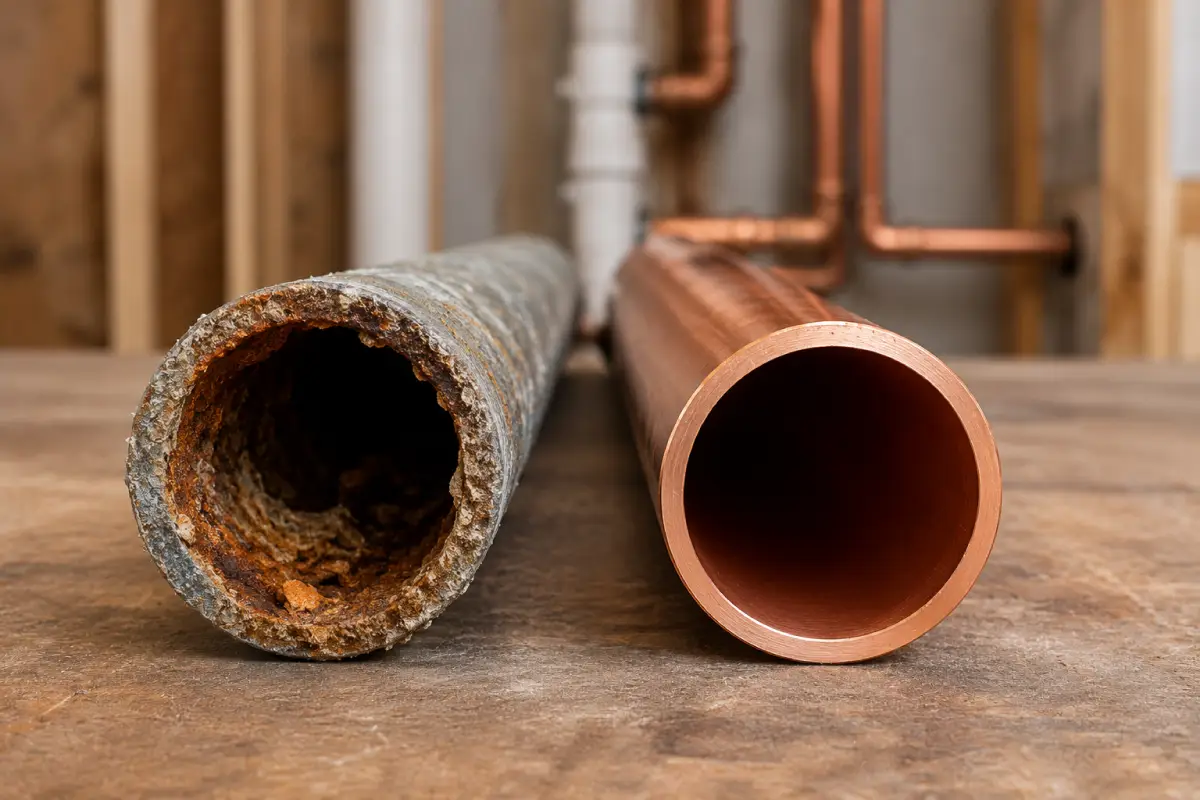
The type of material used in your plumbing system, such as copper, PVC, or older piping, can also influence pricing.
Age and condition of your plumbing system
Older plumbing systems often require more extensive repairs due to wear, corrosion, and outdated materials. In some cases, fixing one issue may reveal additional problems that also need attention.
Homes with newer systems are typically easier and less expensive to repair because components are in better condition.
Emergency vs scheduled repairs
Emergency plumbing repairs, especially those that occur after hours or during weekends, can increase costs due to urgency and availability. Scheduled repairs are usually more cost-effective because they allow for better planning and timing.
Acting early when you notice a problem can help you avoid emergency situations and higher costs.
Accessibility and preparation work
Some repairs require additional preparation before the actual work can begin. This may include removing fixtures, clearing space, or gaining access to hidden pipes.
The more preparation required, the more time and labor are involved, which adds to the total cost.
Why early repairs cost less
Many plumbing issues start small and become more serious over time. Addressing problems early can prevent them from escalating into more complex and expensive repairs.
Regular maintenance and paying attention to warning signs can help you avoid unnecessary costs.
How to manage and reduce plumbing repair costs
While not all plumbing issues can be avoided, there are steps you can take to reduce the likelihood of costly repairs. Preventative care and early action can make a significant difference.
Simple ways to reduce costs
- Fix small leaks and slow drains early
- Avoid putting grease and debris down drains
- Monitor changes in water pressure
- Schedule inspections when issues persist
Final Thoughts
Plumbing repair costs depend on a combination of factors, including the type of issue, its severity, and how accessible it is. Understanding these factors can help you better prepare for repairs and avoid unexpected expenses.
Taking a proactive approach to maintenance and repairs is one of the most effective ways to keep costs manageable over time.