Water damage can happen quickly and often starts with small, unnoticed issues. Taking simple preventative steps can help protect your home and avoid costly repairs.
Knowing where problems typically occur and what warning signs to look for allows you to act early before damage spreads.
1. Check for leaks regularly
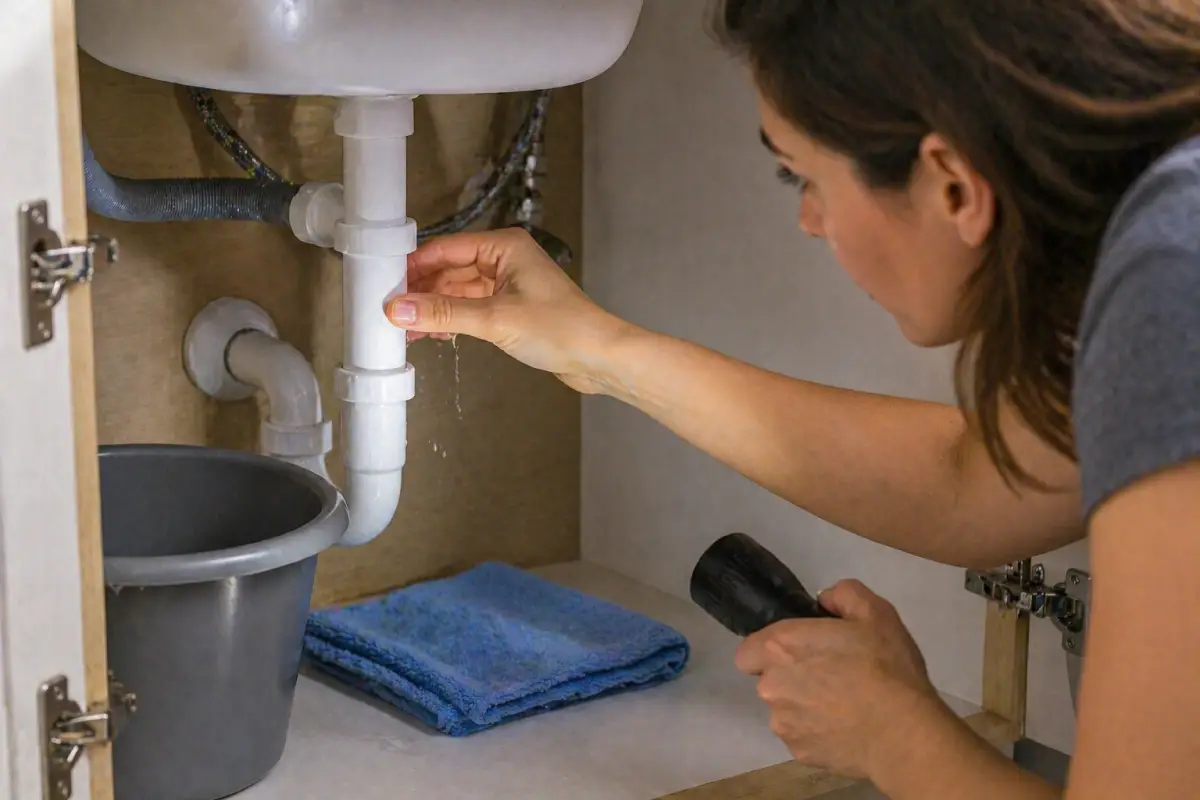
Small leaks are one of the most common causes of water damage. Checking areas around sinks, toilets, and exposed pipes can help you catch problems before they worsen.
Even a slow drip can lead to damage over time, especially in hidden areas like cabinets or behind fixtures.
Areas to check
- Under sinks and inside cabinets
- Around toilets and water supply lines
- Near appliances like dishwashers and washing machines
- Basements or crawl spaces
2. Know your main shutoff valve
In the event of a leak or burst pipe, shutting off the water quickly can prevent major damage. Every homeowner should know where the main shutoff valve is located.
Acting quickly during an emergency can significantly reduce the impact of water damage.
3. Maintain your water heater
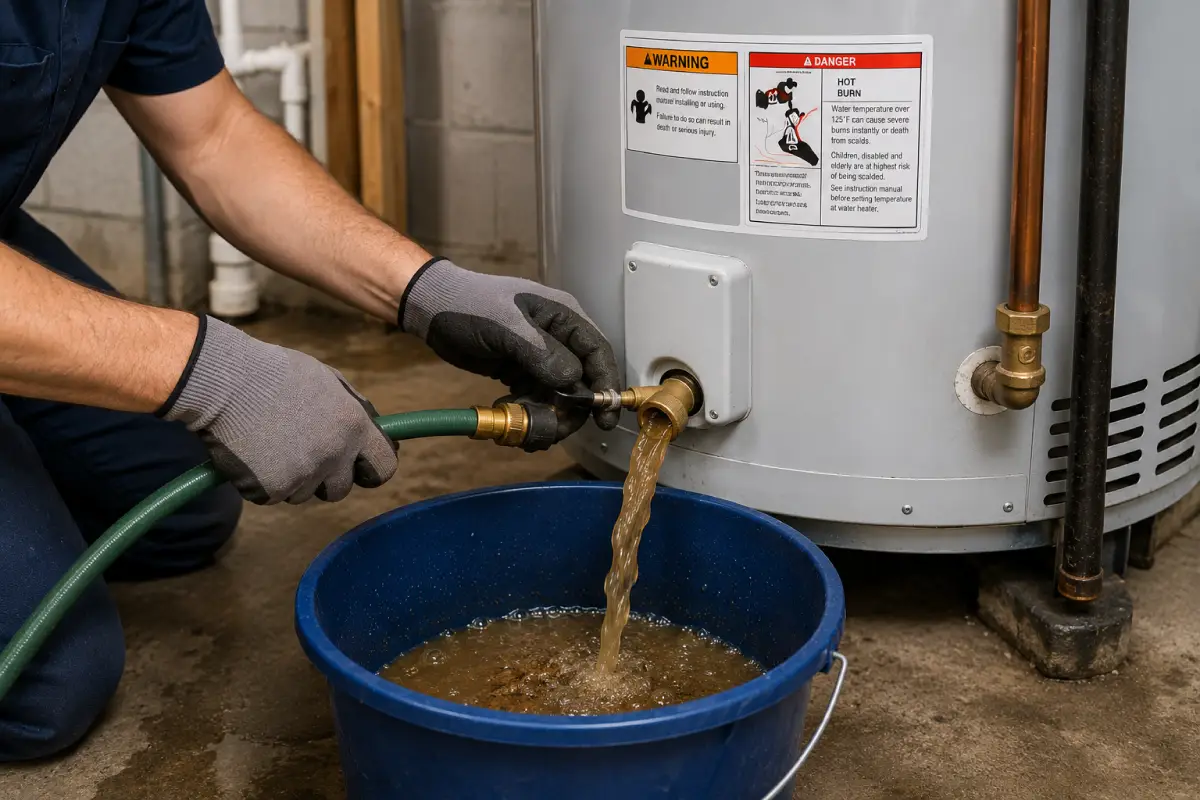
Water heaters are a common source of leaks as they age. Regular checks for rust, moisture, or unusual noises can help you identify issues early.
Keeping your system maintained reduces the risk of sudden failure and water damage.
4. Keep drains clear
Slow or clogged drains can lead to backups and overflow. Keeping drains clear helps prevent pressure buildup and reduces the risk of water damage.
Avoid putting grease, food, or debris down your drains whenever possible.
5. Watch for early warning signs
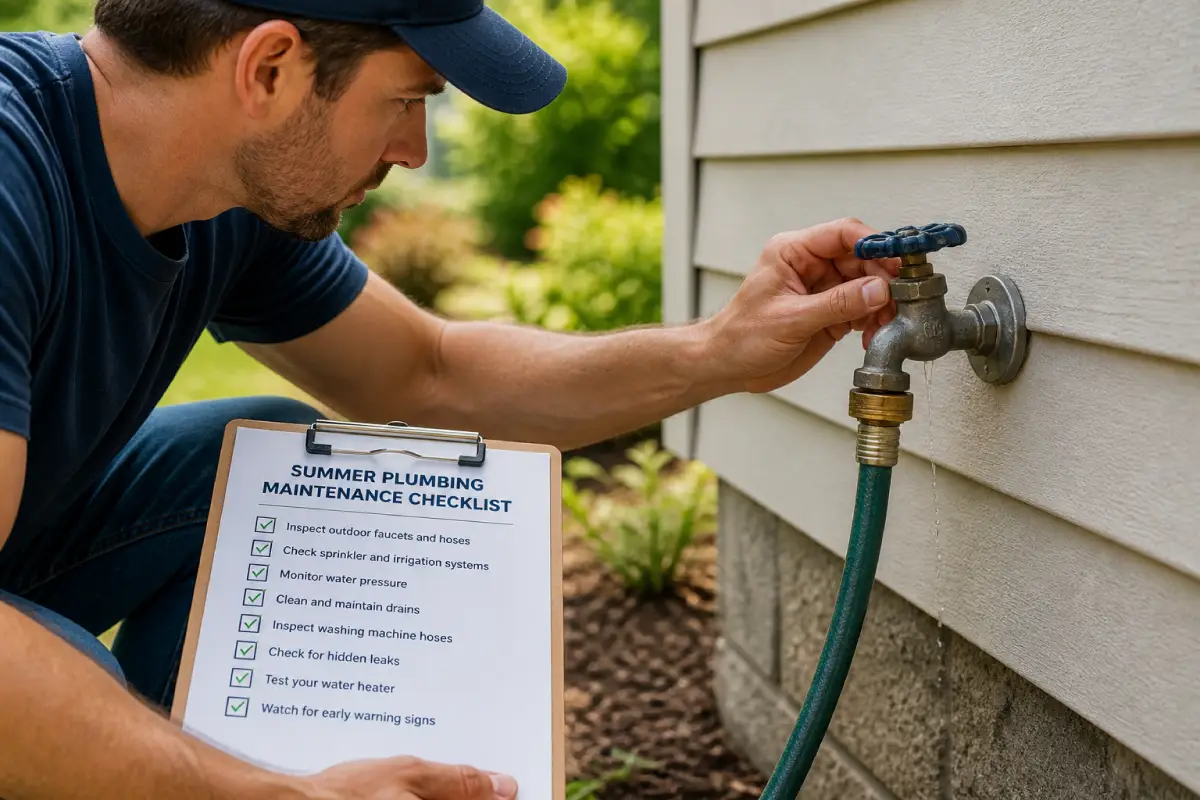
Many plumbing issues show subtle warning signs before becoming serious. Paying attention to these signals allows you to respond early.
Common warning signs
- Water stains on ceilings or walls
- Musty or damp odors
- Unexpected increases in water bills
- Low or inconsistent water pressure
6. Use smart leak detection
Smart leak detectors can alert you to moisture or unusual water usage before visible damage occurs. These devices are especially useful in areas that are not checked frequently.
They provide an extra layer of protection and can help you act quickly, even when you are not home.
7. Inspect after heavy rain
After storms or heavy rainfall, check basements, crawl spaces, and exterior areas for signs of water intrusion. Catching these issues early can prevent long-term damage.
Pay attention to damp spots, pooling water, or changes in flooring or walls.
8. Fix small issues early
Addressing small problems right away is one of the most effective ways to prevent water damage. Minor leaks and slow drains can quickly escalate if ignored.
Taking action early keeps repairs simple and helps protect your home.
When to call a professional
If you notice signs of water damage or suspect a hidden leak, having the issue inspected can help prevent further problems. Early intervention can reduce damage and overall repair costs.
Final Thoughts
Protecting your home from water damage starts with awareness and prevention. Regular checks and simple habits can make a significant difference over time.
Staying proactive helps keep your plumbing system working properly and your home protected.