Most plumbing emergencies do not happen without warning. In many cases, they begin as small, preventable issues that gradually worsen over time.
Taking a more proactive approach to your plumbing system can help you avoid unexpected damage, costly repairs, and stressful situations. Understanding what to watch for and how to respond early is key to preventing emergencies before they start.
1. Understand what leads to plumbing emergencies
Plumbing emergencies are often the result of pressure buildup, long-term wear, or neglected maintenance. Pipes weaken, clogs form, and components fail over time, especially when early warning signs are ignored.
Instead of viewing emergencies as sudden events, it helps to think of them as the result of ongoing stress within your plumbing system. Recognizing this shift can help you stay ahead of problems rather than reacting to them.
Common causes of plumbing emergencies
- Clogged drains that lead to backups
- Undetected leaks that weaken pipes
- Corrosion in older plumbing systems
- Water pressure that is too high
- Failing water heaters or worn components
Identifying these risks early allows you to take preventative action before they escalate into emergencies.
2. Pay attention to changes in your plumbing system
Your plumbing system will often give subtle signs that something is wrong. Changes in performance, sound, or flow can all indicate developing issues that need attention. Ignoring these early signals is one of the main reasons minor issues turn into urgent repairs.
Warning signs you should never ignore
- Sudden drops in water pressure
- Slow or gurgling drains
- Water discoloration or unusual odors
- Unexpected increases in your water bill
- Recurring clogs in multiple fixtures
Addressing these signs early can help you avoid more serious damage and reduce the likelihood of emergency service calls.
3. Reduce strain on your plumbing system
Many plumbing emergencies are caused by unnecessary stress placed on pipes and fixtures. Everyday habits, such as putting the wrong materials down the drain or overusing fixtures, can gradually weaken your system.
Being more mindful of how your plumbing is used can significantly extend its lifespan and reduce the risk of sudden failure. Simple adjustments, like avoiding grease in drains and spacing out water usage during peak times, can make a noticeable difference over time.
4. Know how to respond in the first few minutes
Even with the best preventative efforts, issues can still occur. Knowing how to respond quickly can minimize damage and prevent a situation from getting worse.
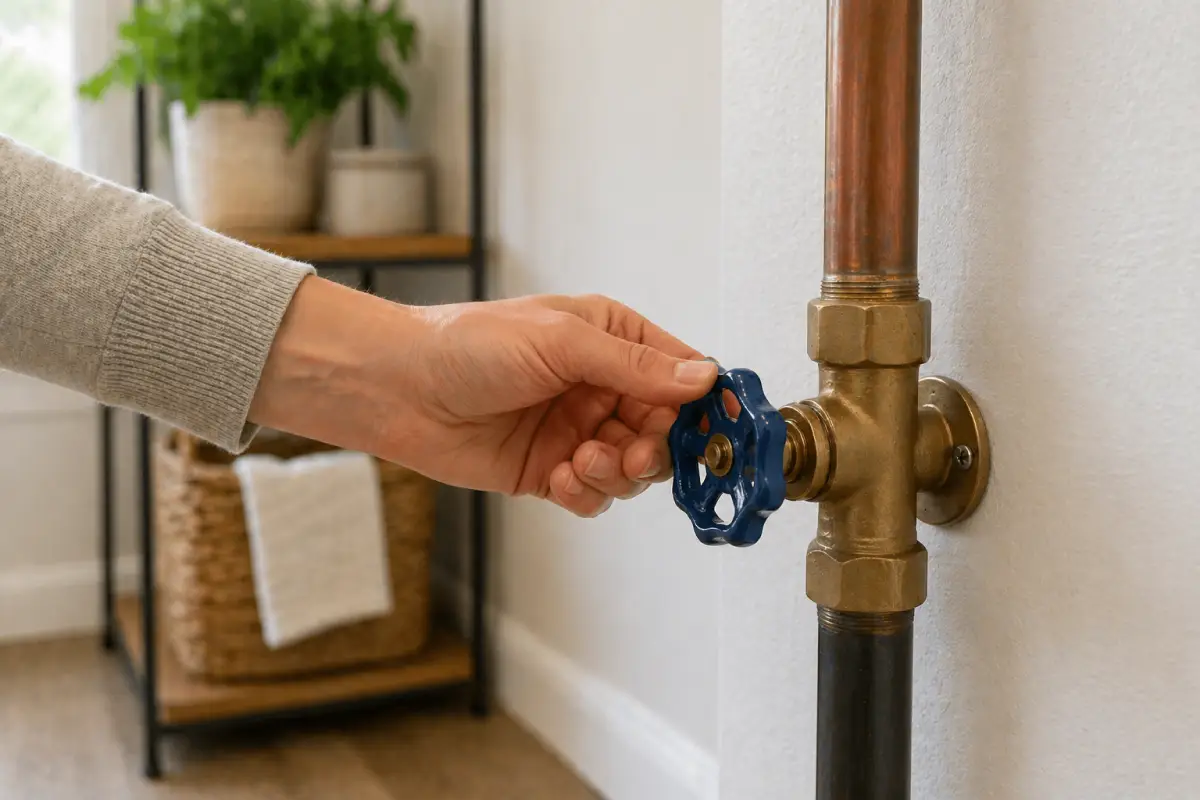
Every homeowner should be familiar with the location of their main water shutoff valve and understand how to use it. Acting quickly in the first few minutes of a problem can significantly reduce repair costs and protect your home from extensive damage.
5. Maintain key plumbing components
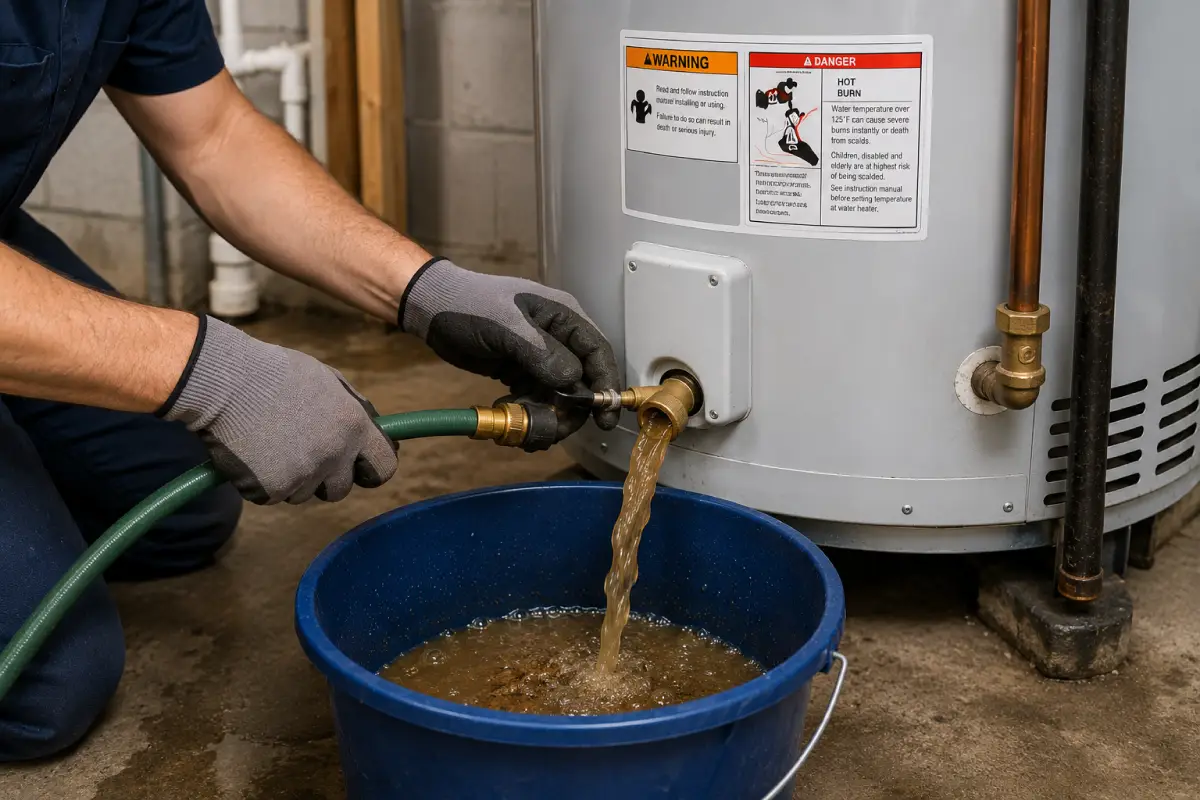
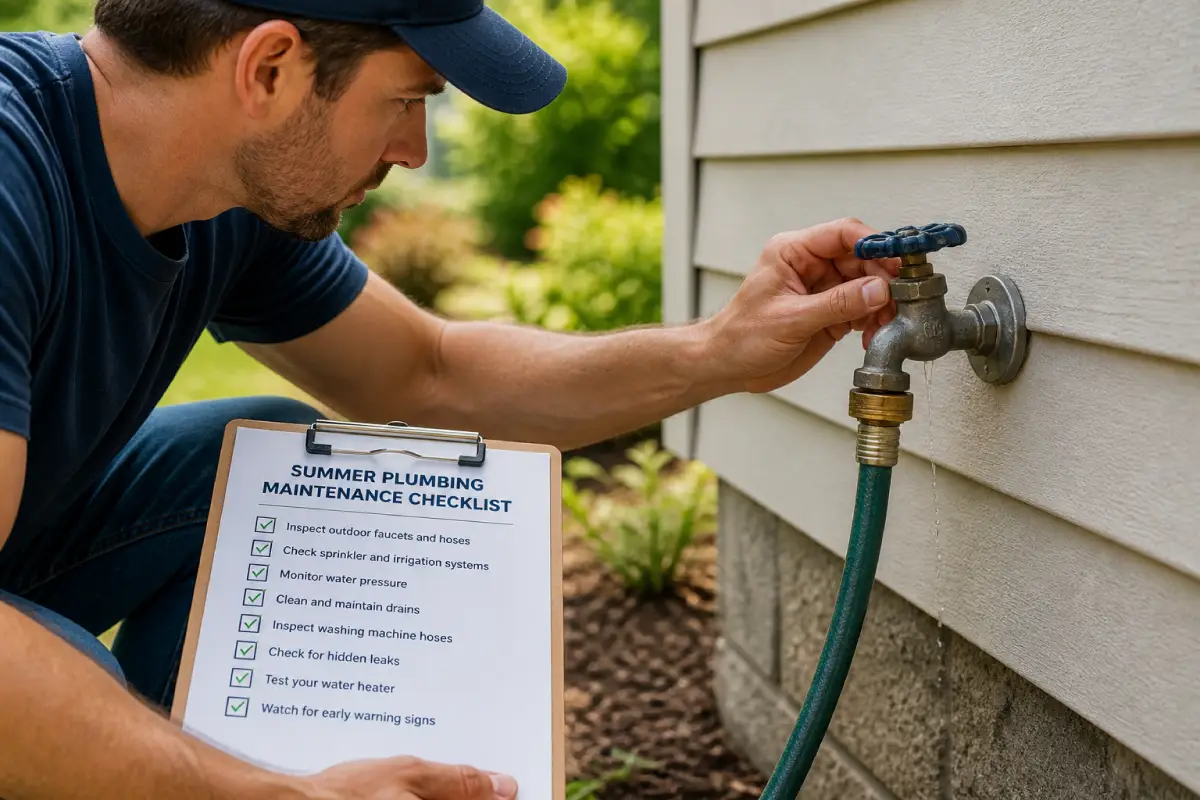
Certain parts of your plumbing system are more prone to wear and failure. Water heaters, shutoff valves, and exposed pipes should be checked periodically to ensure they are functioning properly.
Regular maintenance helps catch small issues early and prevents unexpected breakdowns that can lead to emergencies. Keeping these components in good condition is one of the most effective ways to reduce long-term risk.
6. Schedule preventative inspections
Professional inspections provide a deeper look into your plumbing system and can identify hidden issues before they become serious problems. This is especially important for older homes or systems that have not been evaluated in several years.
A trained plumber can detect signs of wear, corrosion, or developing leaks that may not be visible to the average homeowner. Preventative inspections are a proactive investment that can help you avoid costly emergency repairs in the future.
Why prevention is more effective than reaction
Emergency plumbing repairs often come with higher costs, added stress, and potential damage to your home. Preventative care allows you to stay in control, address issues on your timeline, and avoid urgent situations.
By focusing on early detection and consistent maintenance, you can significantly reduce the chances of unexpected plumbing failures.
When to call a professional
If you notice persistent issues, unusual changes in your plumbing system, or signs of damage, it is best to have the problem inspected. Waiting too long can allow minor problems to develop into larger, more expensive repairs. Professional guidance can help you understand the condition of your system and determine the best course of action.
Final Thoughts
Avoiding emergency plumbing issues starts with awareness, prevention, and early action. By understanding how problems develop and taking steps to address them early, you can protect your home and reduce the risk of costly repairs.
A proactive approach is one of the most effective ways to keep your plumbing system reliable and avoid unexpected emergencies.